
Beautiful Plants For Your Interior
Beautiful Plants For Your Interior
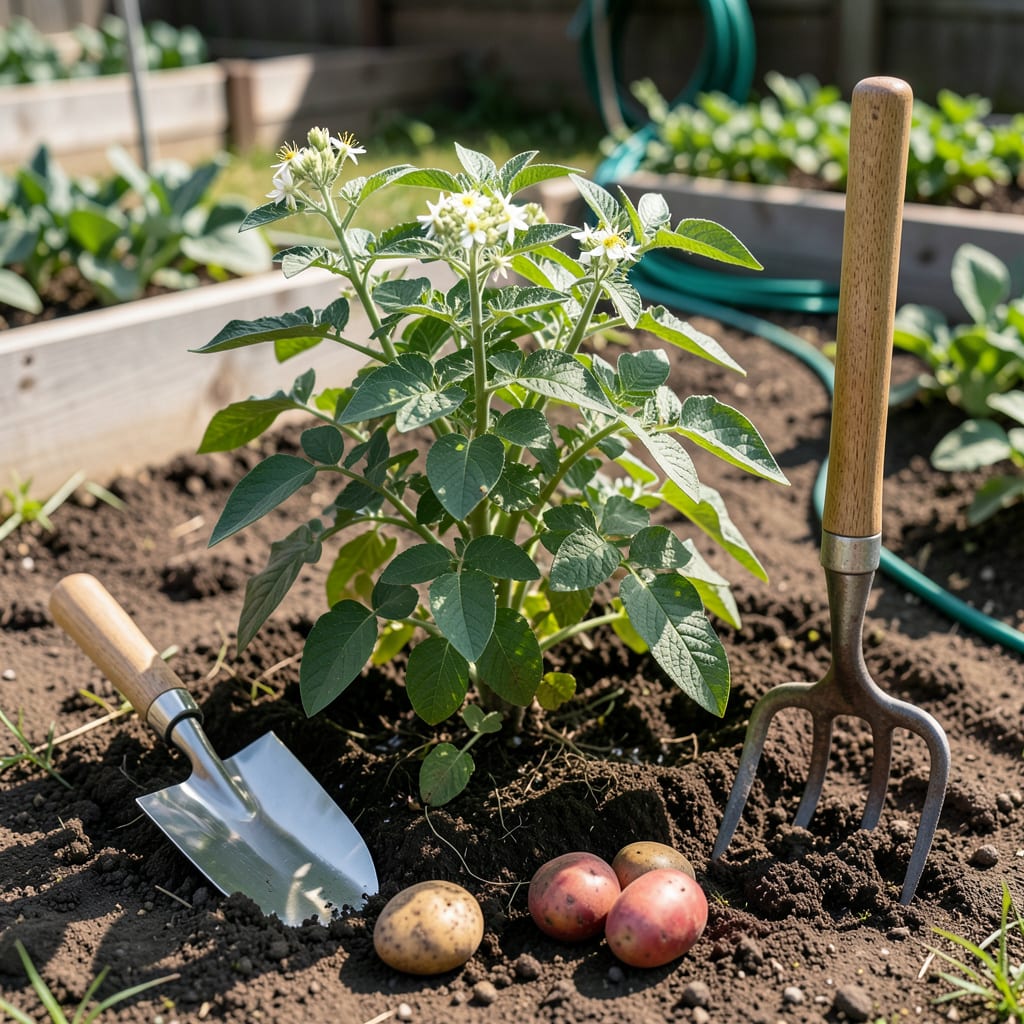
Timing your potato planting in Zone 5 can mean the difference between a bountiful harvest and a disappointing yield. That first dig into warm soil to uncover homegrown 🥔 is pure magic—but only if you nail the schedule.
I’ve seen gardeners lose entire crops to late frosts or miss their window when soil temps climb too high. Let me show you the exact sweet spot for planting in your zone, so you’re pulling up perfect spuds by summer.
In Zone 5, your potato planting success hinges on two critical factors: soil temperature and frost dates. I always aim to plant when soil reaches 45°F—about 2-4 weeks before our last frost around May 15. This gives tubers time to establish without frost damage.
Spring planting (March-April) is ideal for most varieties, but fall planting can work too if you time it right. The key is avoiding extreme heat or cold. I’ve found that early varieties like Yukon Gold thrive with March planting, while late-season types need April’s warmer soil.
| Season | Planting Window | Soil Temp | Variety Type |
|---|---|---|---|
| Early Spring | Late March | 45°F+ | Early-season |
| Mid Spring | Early April | 50°F+ | Mid-season |
| Late Spring | Late April | 55°F+ | Late-season |
| Fall | Mid-August | 60°F+ | Fast-maturing |
*Adjust dates based on your specific Zone 5 microclimate (urban areas may be 1-2 weeks earlier).
For northern Zone 5 areas (like Minnesota), I’d push planting to early April. Southern Zone 5 (like Ohio) can often start in late March. Always check your local frost dates—they’re more reliable than general zone guidelines.
Soil prep matters just as much as timing. I work in 2-3 inches of compost and ensure good drainage. Potatoes rot in soggy soil, especially during Zone 5’s wet springs. A raised bed or hilled rows can save your crop from waterlogging.
Don’t forget about chitting (pre-sprouting) your seed potatoes! Start this process 4-6 weeks before planting by placing them in a bright, cool spot. This gives you a 2-week head start on growth once they’re in the ground.
Microclimates make a big difference. My south-facing garden warms up faster than my neighbor’s shaded plot. Use a soil thermometer—it’s the only way to know for sure. I’ve planted too early and lost seedlings to frost more times than I’d like to admit!
For fall planting, aim for mid-August so tubers mature before the first frost. Choose varieties like ‘Norland’ that mature in 70-80 days. Mulch heavily with straw to protect from early cold snaps—this trick has saved my fall crops multiple times.
Container gardening? You’ve got more flexibility. I’ve grown potatoes in 5-gallon buckets starting in early April. Just ensure containers have drainage holes and use a light, well-draining potting mix. They’ll need more frequent watering than in-ground plants.
Remember, hilling is non-negotiable. I mound soil around stems every 2-3 weeks until plants flower. This prevents greening of tubers and increases yield. Stop hilling when plants flower—this signals tuber formation has begun.
Your harvest timing depends on variety. New potatoes can be dug when plants flower (about 60 days). For storage potatoes, wait until tops die back (90-120 days). In Zone 5, this usually means a July-August harvest for spring-planted spuds.
Even with perfect timing, small mistakes can ruin your potato harvest in Zone 5. I’ve learned these lessons the hard way—like the year I lost half my crop to waterlogged soil after heavy spring rains. Let’s save you that heartache.
The biggest error I see is ignoring soil temperature. Planting when soil is below 45°F stunts growth, while waiting too long risks heat stress. I use a soil thermometer to be sure—no guessing!
Another common issue is misjudging frost dates. Zone 5’s last frost is around May 15, but microclimates vary. I once planted in early March during a warm spell—only to lose everything to a late freeze. Now I wait until 2 weeks before last frost.
Overwatering is just as dangerous as drought. Potatoes need 1-2 inches weekly, but soggy soil causes rot. I water deeply once a week, then let the top inch dry. Mulching with straw helps regulate moisture.
Choosing the wrong variety can also disappoint. Late-season potatoes like Kennebec need Zone 5’s full growing season. I stick to early varieties (Yukon Gold, Norland) for spring planting and fast-maturing types (Red Pontiac) for fall crops.
Finally, don’t forget crop rotation. Planting potatoes in the same spot yearly invites disease. I rotate with beans or corn to break pest cycles. If space is tight, try container gardening—it resets the soil each season.
Remember, chitting (pre-sprouting) gives you a head start. Place seed potatoes in a bright, cool spot 4-6 weeks before planting. This simple step can add 2 weeks to your growing season—critical in Zone 5’s short summers! 🥔
Choosing the right potato variety for Zone 5 can make or break your harvest. I’ve tested dozens over the years and found that early-season varieties like Yukon Gold consistently outperform in our shorter growing window. Their 70-90 day maturity fits perfectly between frost dates.
For mid-season planting (April), I recommend Red Pontiac or Kennebec. These varieties handle Zone 5’s unpredictable springs better than most. They’re also disease-resistant, which is crucial in our humid summers. Late-season types like Russet Burbank need careful timing to mature before fall frosts.
*Test new varieties in small batches—Zone 5’s microclimates vary widely!
For fall planting, I swear by ‘Norland’—it matures in just 70 days and handles cool nights well. Plant by mid-August and mulch heavily with straw. This variety has saved my fall harvests during early frost surprises.
Container gardeners should try ‘Fingerling’ varieties like ‘French Fingerling’. Their compact growth fits well in 5-gallon buckets, and they’re less prone to cracking. Just ensure containers get full sun and have drainage holes.
Remember, certified seed potatoes are worth the investment. I learned this after losing a crop to potato virus from grocery store spuds. Local nurseries often carry Zone 5-tested varieties—ask for recommendations! They’ll know which perform best in your specific area.
Storage matters too. Kennebec and Russet varieties store well in Zone 5’s cool basements. For immediate use, Yukon Gold and Red Pontiac have the best flavor fresh from the garden. I always plant a mix to enjoy potatoes from summer through winter. 🥔
Planting before soil reaches 45°F risks frost damage to emerging sprouts. Even if seedlings survive, cold soil slows growth dramatically. I lost an entire crop once by planting in early March during a false spring—wait until 2-4 weeks before last frost for safety.
Use 5-gallon buckets or fabric grow bags with drainage holes. Start seeds in early April, and place containers in full sun (6+ hours daily). They’ll need more frequent watering than in-ground plants—check moisture every 2-3 days in summer heat.
Cover young plants with frost blankets or straw mulch when temps drop below 32°F. For unexpected freezes, water the soil thoroughly before sunset—moist ground retains heat better. Remove covers during the day to prevent overheating.
In Zone 5, aim to plant by late April for summer harvests. After that, soil temps often exceed 85°F, which stops tuber formation. Late planting works better for fast-maturing varieties like Norland (70 days) than standard types.
Yes! Northern areas (like Minnesota) should plant 1-2 weeks later than southern Zone 5 (like Ohio). Check your local frost dates—some northern microclimates may not reach 45°F soil temp until early April, while southern areas warm up in late March.
