
Beautiful Plants For Your Interior
Beautiful Plants For Your Interior
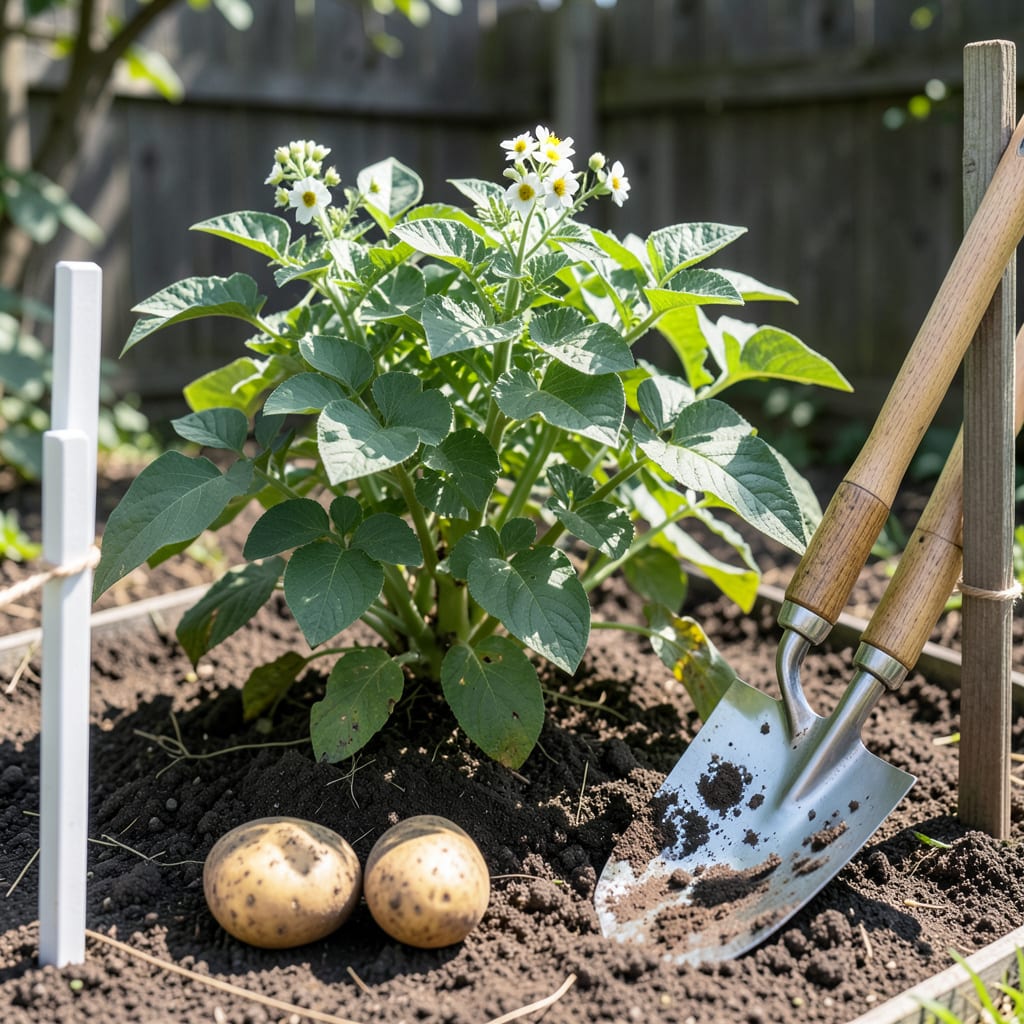
Timing your potato planting in West Virginia can mean the difference between a bumper crop and a disappointing harvest. The state’s unpredictable springs—with late frosts and sudden warm-ups—make nailing that perfect window absolutely critical.
After years of testing and talking to local growers, I’ve pinpointed the ideal dates for zones 6a-7a, plus the soil temps and variety choices that thrive here. Let’s dig into how to get your 🥔 patch off to the strongest start possible.
If you’re eager to grow homegrown potatoes in West Virginia, timing is your secret weapon. WV’s USDA zones 3-7 create a diverse planting calendar, but the magic happens when soil temps hit 45°F+. I’ve found this sweet spot prevents rot while kickstarting growth.
Higher elevations (like the Allegheny Mountains) stay cooler longer, so gardeners there should plant 2-3 weeks later than valley regions. River valleys near Charleston warm faster, letting you start earlier. Always check your local last frost date—it’s your planting compass.
| Zone | Planting Window | Last Frost Date | Soil Prep Tip |
|---|---|---|---|
| 3-4 | Late April – Early May | May 15 | Add compost to warm soil faster |
| 5 | Mid-April | April 25 | Test soil—aim for pH 5.0-6.5 |
| 6 | Late March – Early April | April 15 | Use black plastic mulch to retain heat |
| 7 | Mid-March | April 5 | Plant early varieties like ‘Yukon Gold’ |
*Adjust for elevation: Add 1 week per 500ft above 1,000ft.
For early potatoes (like ‘Red Norland’), plant 2 weeks before your zone’s window. These mature in 70-90 days, dodging summer’s pest peak. Late varieties (‘Kennebec’) need the full season—plant them at the start of your window to avoid fall frosts.
WV’s clay-heavy soil can suffocate potato roots. I always amend beds with sand and compost to improve drainage. A simple test: Squeeze a handful of soil—if it crumbles easily, it’s ready. If it sticks, wait or add more organic matter.
Watch the 10-day forecast before planting. Even in Zone 7, a late frost can strike. I keep frost blankets handy for unexpected cold snaps. Pro tip: Plant seed potatoes with the “eyes” facing up—they’ll sprout faster and stronger.
Soil temperature is your best friend. Use a soil thermometer (or check local ag reports) to confirm 45°F+ at 4” depth. Planting in cold soil causes rot; waiting for warmth ensures vigorous growth. In my experience, afternoon sun warms soil fastest.
If you’re in a river valley (like the Ohio or Kanawha), you can often plant 1-2 weeks earlier than surrounding areas. The water moderates temps, reducing frost risk. But don’t rush—consistent 45°F+ is non-negotiable for success.
For fall planting (only viable in Zones 6-7), aim for late July to early August. Choose fast-maturing varieties (‘Fingerlings’) and harvest before the first frost (typically mid-October). I’ve had great luck with this method in the Eastern Panhandle.
Remember: WV’s unpredictable springs mean flexibility is key. When in doubt, wait an extra week—healthy plants beat early but stunted ones every time. And always mulch heavily to protect from temperature swings! 🌱
Even experienced gardeners can stumble when planting potatoes in West Virginia’s finicky climate. I’ve seen three common mistakes that consistently sabotage harvests—often without growers realizing what went wrong. Let’s tackle them head-on so your spuds thrive instead of struggle.
The first blunder? Ignoring soil temperature. WV’s early springs can be deceptive—just because the air feels warm doesn’t mean the soil is ready. Planting in cold, damp soil (below 45°F) almost guarantees rot. I always use a soil thermometer to double-check before planting.
Fix these, and you’ll double your yield with half the stress!
Another costly error is planting without soil prep. WV’s notorious clay-heavy soil compacts easily, stunting potato growth. I mix in 2-3 inches of compost and coarse sand to improve drainage. A quick test: If your soil forms a tight ball when squeezed, it needs more organic matter.
Many gardeners also misjudge moisture levels during WV’s rainy springs. Seed potatoes need consistent moisture, but soggy soil leads to rot. I use raised beds or mounds to ensure proper drainage, and I always mulch with straw to regulate moisture. Check soil by sticking your finger 2 inches deep—if it’s damp but not wet, you’re golden.
Don’t overlook variety selection either. Planting a late-season potato like ‘Russet’ in Zone 5? You’ll likely lose your crop to early frost. Stick with early-maturing varieties (‘Yukon Gold’, ‘Red Norland’) for WV’s shorter growing season. These mature in 70-90 days, beating the frost rush.
Finally, frost protection is non-negotiable. Even in Zone 7, late frosts happen. I keep frost blankets or old bedsheets handy to cover plants when temps dip below 32°F. A simple DIY cloche made from a milk jug (cut in half) works wonders for small patches. Remove covers during the day to prevent overheating.
Remember: WV’s unpredictable weather demands flexibility. When in doubt, wait an extra week rather than risking frost damage. Your patience will pay off in heavier yields and healthier plants. And always label your varieties—it’s easy to forget what you planted where! 🪴
Choosing the right potato variety can make or break your harvest in West Virginia. Our humid summers and variable springs demand varieties that resist disease and adapt to shorter growing seasons. After testing dozens, I’ve narrowed it down to the top performers for WV’s unique conditions.
For early-season planting, you can’t beat ‘Yukon Gold’. This cold-tolerant variety thrives in WV’s unpredictable springs and matures in just 70-80 days. Its buttery flavor and smooth texture make it a favorite among local growers. I’ve had great success with it in both Zone 5 and Zone 6.
*Tip: Source certified seed potatoes from WVU Extension or local nurseries to avoid disease.
If you’re in higher elevations (Zones 3-4), ‘Red Norland’ is your best bet. This variety handles cooler temps and matures in 80-90 days. Its thin skin means less peeling, and it holds up well in WV’s clay-heavy soil when properly amended. I recommend planting it 2 weeks after your last frost date for optimal results.
For gardeners battling summer drought (common in the Eastern Panhandle), ‘Kennebec’ is a game-changer. This white potato tolerates dry spells and resists common diseases like late blight. It needs 90-110 days to mature, so plant it early in Zones 6-7. I’ve found it stores exceptionally well in root cellars.
Don’t overlook ‘Fingerling’ varieties if you love gourmet potatoes. ‘French Fingerling’ and ‘Russian Banana’ perform well in WV’s climate and add variety to your harvest. They’re ready in 90-100 days and thrive in containers if you’re short on space. Just ensure they get full sun and consistent moisture.
For fall planting (Zones 6-7 only), ‘Adirondack Red’ is my top pick. It matures in 70 days and handles cooler temps well. Plant in late July and harvest before the first frost.
Use a soil thermometer to check temps at 4″ depth—plant when it hits 45°F+. Morning sun warms soil faster, so test in the afternoon for accuracy. Cold soil causes rot, so patience pays off!
Use 5-gallon buckets or grow bags with drainage holes. Fill with loose potting mix and plant 1 seed potato per container. Containers warm faster than ground soil, letting you start 2 weeks earlier.
Plant early-maturing varieties (‘Yukon Gold’) up to 2 weeks late. Use black plastic mulch to speed soil warming. In Zones 6-7, try a fall crop in late July for a second chance.
Cover plants with frost blankets or old bedsheets when temps drop below 32°F. Remove covers by 10 AM to prevent overheating. For small patches, cut milk jugs in half for DIY cloches.
‘Kennebec’ and ‘Red Pontiac’ store for 4-6 months in cool, dark conditions. Cure harvested potatoes at 50-60°F for 10 days before storing to toughen skins.
