
Beautiful Plants For Your Interior
Beautiful Plants For Your Interior
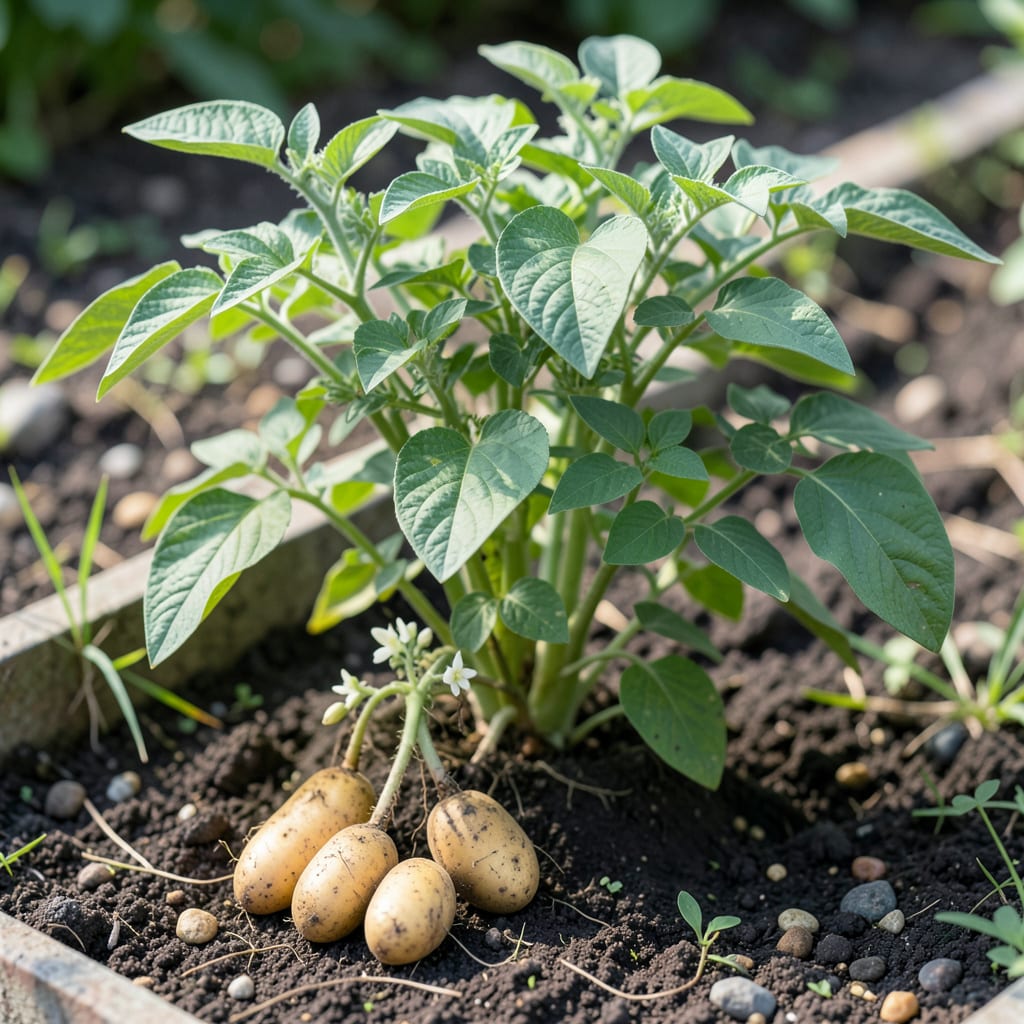
Wisconsin’s climate can be challenging for growing potatoes 🥔, but with the right timing, you’ll enjoy a bountiful harvest. The key is planting at the perfect time in early spring.
In Wisconsin’s USDA zones 4-5, early spring is ideal for planting potatoes. This typically means planting 2-4 weeks before the last frost, when soil temperature reaches around 40-50°F, setting your crop up for success.
Wisconsin’s climate varies across different regions, making it crucial to understand the ideal potato planting times. The state’s USDA zones 4-5 have specific frost dates and soil temperature requirements that determine the best planting schedule.
In general, early spring is the optimal time for planting potatoes in Wisconsin. This typically means planting 2-4 weeks before the last frost date, when the soil temperature reaches around 40-50°F. For most of Wisconsin, this translates to planting in late March to early April 🌟.
Understanding these regional variations is crucial for successful potato cultivation. The last frost date is a critical factor, as it determines when to plant. In Wisconsin, this date ranges from May 1 in southern areas to May 20 in northern regions. Planting 2-4 weeks before this date gives your potatoes a head start on the growing season.
Soil temperature is another vital factor. Potatoes thrive in cool soil, typically between 40-50°F. You can check soil temperature using a soil thermometer or by feeling the soil. If it’s still too cold, wait a bit longer before planting 🌱.
Regional variations within Wisconsin also play a significant role. Southern Wisconsin has a slightly longer growing season than the north, allowing for earlier planting. In contrast, northern Wisconsin and areas with higher elevations may need to wait until the soil has warmed up sufficiently.
To determine the exact planting time for your area, you can:
By considering these factors and adjusting your planting schedule accordingly, you’ll be well on your way to growing a successful crop of potatoes in Wisconsin 🌼.
Additionally, it’s worth noting that potato variety selection can also impact the optimal planting time. Some varieties are bred for early maturity, while others take longer to mature. Choosing the right variety for your region and climate can help ensure a bountiful harvest.
For more specific guidance tailored to your exact location within Wisconsin, consider consulting with local gardening experts or checking resources from the University of Wisconsin-Extension. They can provide valuable insights into the best practices for potato cultivation in your area 📚.
By combining this information with the ideal planting times and soil conditions, you’ll be able to plan your potato crop with confidence, setting yourself up for success in the upcoming growing season 🌻.
Preparing your Wisconsin garden for potato planting involves several key steps to ensure a successful harvest. First, you need to select the right potato variety for your region and climate. Wisconsin gardeners can choose from various types, including early-maturing and maincrop varieties 🌼.
Next, focus on soil preparation. Potatoes thrive in well-draining, loose soil rich in organic matter. To achieve this, add compost or well-rotted manure to your garden bed. This will improve soil structure and fertility, providing your potatoes with the necessary nutrients for healthy growth 🌱.
By following these steps and preparing your garden bed accordingly, you’ll be well on your way to growing a successful crop of potatoes in Wisconsin.
Additionally, consider companion planting to enhance your potato crop’s growth and health. Planting marigolds or nasturtiums alongside your potatoes can help deter pests and improve overall garden biodiversity 🌻.
For more specific guidance on potato cultivation in Wisconsin, consult with local gardening experts or check resources from the University of Wisconsin-Extension. They can provide valuable insights into the best practices for your area 📚.
After planting potatoes in Wisconsin, proper care is crucial for a successful harvest. One of the most important techniques is hilling, which involves mounding soil around the base of the plants as they grow 🌱.
Hilling serves several purposes: it protects tubers from sunlight, which can cause them to turn green and become toxic; it prevents tubers from being exposed to the surface; and it encourages additional tuber formation along the buried stem. To hill effectively, wait until the plants are about 6-8 inches tall, then gently mound 2-3 inches of soil around the base. Repeat this process every few weeks until the plants are about 12-18 inches tall 🌼.
Keep the soil consistently moist during the growing season. Potatoes need about 1-2 inches of water per week, either from rainfall or irrigation. Avoid overwatering, which can lead to rot and other diseases 💧.
Watering is another critical aspect of post-planting care. Potatoes require consistent moisture, especially when they’re producing tubers. Aim to provide about 1-2 inches of water per week, either through rainfall or supplemental irrigation. Be cautious not to overwater, as this can lead to disease and rot 🌿.
Pest and disease management is also essential. Keep an eye out for common potato pests in Wisconsin, such as Colorado potato beetles and potato leafhoppers. Regularly inspect your plants and use organic or integrated pest management methods as needed. For diseases, practice crop rotation and avoid overhead watering to reduce the risk of fungal diseases like late blight 🔍.
By following these post-planting care tips, you’ll be well on your way to growing a healthy and productive potato crop in Wisconsin. For more specific guidance on managing pests and diseases in your area, consult with local gardening experts or check resources from the University of Wisconsin-Extension 📚.
Additionally, consider keeping a gardening journal to track your progress and note any challenges you encounter. This will help you refine your techniques for future growing seasons and make the most of your potato crop 🌻.
The best time to plant potatoes in Wisconsin is in early spring, typically 2-4 weeks before the last frost date. For most areas, this means planting in late March to early April. Soil temperature should be around 40-50°F for optimal growth.
Potato plants are ready to harvest when they start to yellow and die back. This usually occurs 70-120 days after planting, depending on the variety. Check for readiness by carefully digging around the plants with a fork. The tubers should be mature and have firm skin.
While potatoes can grow in clay soil, they prefer well-draining, loose soil. If your soil is heavy clay, consider amending it with compost or creating raised beds to improve drainage. This will help prevent rot and other diseases.
Potatoes need consistent moisture, especially when producing tubers. Aim to provide about 1-2 inches of water per week, either through rainfall or irrigation. Be cautious not to overwater, as this can lead to disease and rot.
