
Beautiful Plants For Your Interior
Beautiful Plants For Your Interior
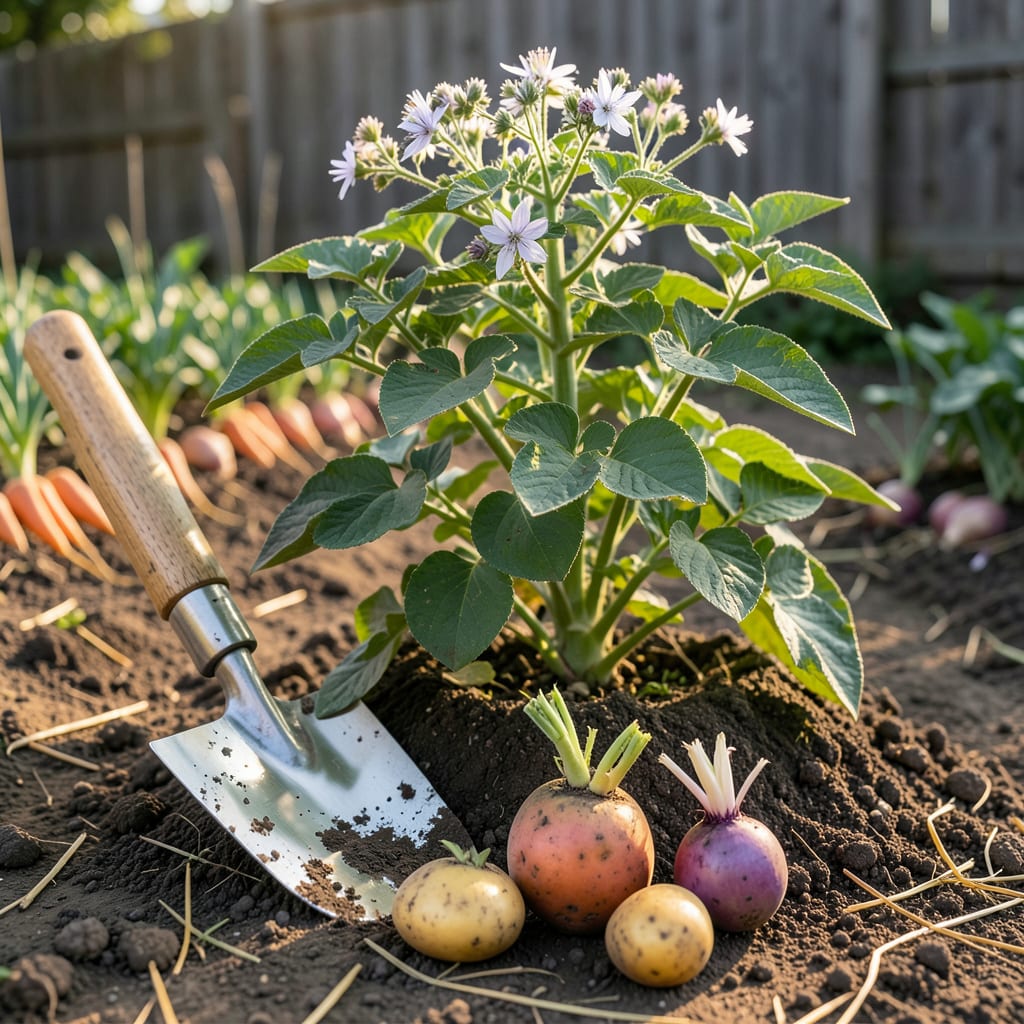
Timing your potato planting in Washington can make or break your harvest. Plant too soon, and a late frost might wipe out your crop. Wait too long, and you’ll miss the sweet spot for those perfect 🥔 spuds.
Whether you’re in the misty Puget Sound or the drier valleys east of the Cascades, the rules change. I’ll break down the exact windows—from soil temps to frost risks—so you can plant with confidence. Let’s get your garden ready for a bumper crop this season.
If you’ve ever wondered why your neighbor’s potato harvest is bountiful while yours struggles, the answer often lies in when you planted. Washington State’s diverse climates—from the damp Puget Sound to the arid Columbia Basin—demand different approaches. Timing isn’t just about the calendar; it’s about soil temperature and frost risk.
In western Washington, the maritime climate means milder winters but slower soil warming. Eastern regions, like Spokane or Yakima, experience colder winters but heat up faster in spring. I’ll break down the ideal windows so you can plant with confidence, whether you’re in Zone 7b or Zone 9a.
| Region | USDA Zone | Planting Window | Last Frost Date | Soil Temp Goal |
|---|---|---|---|---|
| Puget Sound (Seattle, Tacoma) | 8a-9a | Mid-March to early April | March 15 – April 1 | 45°F+ |
| Olympic Peninsula | 8b-9a | Late March to mid-April | March 20 – April 10 | 45°F+ |
| Eastern WA (Spokane, Yakima) | 6b-7b | Early April to late April | April 15 – May 1 | 50°F+ |
| Columbia Basin (Tri-Cities) | 7a-8a | Late March to early April | April 1 – April 15 | 48°F+ |
Note: Soil temps are critical—use a soil thermometer at 4″ depth. Plant 2-3 weeks before last frost for best results.
For coastal gardeners, the key is patience. Even if February teases with warm days, soil temps often lag behind air temps. I recommend using a soil thermometer—when it hits 45°F at 4” deep, you’re good to go. In Seattle, this usually happens by mid-March.
East of the Cascades, the rules shift. Spokane’s frost dates run later, but the soil warms faster once spring arrives. Here, early April is your sweet spot. If you’re in Yakima or the Columbia Basin, watch for drying winds—mulch heavily to retain moisture after planting.
Pro tip: Chitting (pre-sprouting) your seed potatoes can give you a 2-week head start. Place cut pieces in a bright, cool spot (like a windowsill) for 2-3 weeks before planting. This is especially useful in cooler zones like Bellingham or the San Juan Islands.
If you’re tempted to plant in February, resist! Early planting in damp, cold soil risks rot. Instead, prep your beds with compost and balanced fertilizer (like 10-10-10) a few weeks ahead. This ensures nutrients are ready when your seed potatoes go in.
For late plantings (after mid-April), opt for early-maturing varieties like ‘Yukon Gold’ or ‘Red Norland’. These can still produce a decent harvest if planted by early May, though yields may be smaller. Avoid late planting in eastern WA, where summer heat can stress plants.
Remember, frost protection is non-negotiable for early plantings. Keep row covers or mulch handy—even a light frost can damage emerging shoots. In western WA, watch for late spring rains that can waterlog soil; raised beds can help.
Finally, mark your calendar for harvest time: 90-120 days after planting, depending on the variety. Coastal gardeners often harvest in July, while eastern WA may wait until August or September. Now that you’ve got the timing down, your potato patch is set for success! 🌱
You might think planting potatoes in Washington is all about picking a date on the calendar, but I’ve learned it’s far more nuanced. Three critical factors—microclimates, potato variety, and real-time soil conditions—can override generic guidelines. Even within the same city, your timing might vary.
Take Seattle’s urban heat islands, for example. A sunny backyard in Ballard warms up faster than a shaded plot in West Seattle. Meanwhile, eastern WA’s winds can dry out soil overnight, forcing adjustments. Let’s dig into what really matters for your spuds.
Pro Tip: Check your 10-day forecast for frost warnings before planting!
First, let’s talk potato varieties. Early-season types like ‘Red Norland’ can handle cooler soil (down to 40°F), making them ideal for coastal gardens. But if you’re growing ‘Kennebec’ (a late-season variety), waiting until soil hits 50°F prevents stunted growth. Always match your variety to your USDA zone.
Next, soil moisture plays a sneaky role. In western WA, excess rain can rot seed potatoes if planted too early. I combat this by amending soil with sand or using raised beds. East of the Cascades, the challenge is dry wind—I soak seed potatoes overnight before planting and mulch heavily with straw.
Finally, don’t ignore real-time weather. A late frost in April can wipe out emerging shoots. I keep frost blankets handy and plant 2 inches deep for insulation. If a cold snap hits after planting, water the soil—moist ground retains heat better than dry.
For container gardeners, timing flexes even more. Pots warm up faster than ground soil, so you can plant 1-2 weeks earlier. Just ensure containers are at least 12” deep and use a lightweight potting mix to avoid compaction. I’ve had great success with ‘Fingerling’ potatoes in grow bags on my Seattle balcony!
Remember, chitting (pre-sprouting) buys you time. Start your seed potatoes indoors 4-6 weeks before planting. Place them in an egg carton near a sunny window—when sprouts reach ½ inch, they’re ready for the ground. This trick is a lifesaver in cooler zones like Bellingham or the Olympic Peninsula.
🌱Planting potatoes at the wrong time in Washington can lead to disappointing results. I’ve seen gardeners lose entire crops to late frosts or end up with tiny, underdeveloped spuds because they planted too late. The risks vary dramatically between our coastal fog belts and eastern plains.
In western WA, planting too early often means rotten seed potatoes from waterlogged soil. Too late, and you’ll battle summer drought stress before tubers mature. East of the Cascades, the dangers flip: frost damage lingers later, while late planting invites scorching heat that stunts growth.
Salvage Tip: For early plantings, use row covers to trap heat. For late plantings, choose ‘Yukon Gold’ (70-day maturity).
If you’ve already planted too early, don’t panic. In western WA, I’ve saved crops by adding straw mulch to insulate soil and improving drainage with sand. For eastern WA gardeners, watering in the afternoon (when temps are above 40°F) helps mitigate frost damage by releasing heat overnight.
For late plantings, focus on fast-maturing varieties. ‘Red Norland’ (80 days) or ‘Caribe’ (70 days) can still produce if planted by May 1 in most zones. I’ve had success with container growing in these cases—pots warm faster and let you move plants to sunnier spots as needed.
Watch for telltale signs of mistiming: purple-tinged leaves indicate cold stress, while yellowing lower leaves often signal heat stress. Adjust care accordingly—shade cloth for heat waves or cloches for unexpected cold snaps can be lifesavers.
Remember, even “perfect” timing can’t overcome poor soil prep. Always test your soil—potatoes thrive in loose, slightly acidic (pH 5.0-6.5) conditions. Amend with compost and avoid fresh manure, which can cause scabby tubers. With the right adjustments, you can often salvage a less-than-ideal planting window. 🌱
Use a soil thermometer at 4″ depth—plant when it hits 45°F in western WA or 50°F east of the Cascades. Coastal areas often reach this by mid-March, while inland may take until early April.
Yes! Containers warm up 1-2 weeks faster than garden soil. Use 12″+ deep pots with drainage, and plant when soil temps hit 40°F. Perfect for balconies in Seattle or Spokane apartments.
In most zones, May 1 is the cutoff for fast varieties like ‘Yukon Gold’ (70 days). Coastal gardeners can push to May 15, but eastern WA should stick to April 30 to avoid summer heat stress.
Early types (‘Red Norland’) tolerate 40°F soil and can go in 2 weeks earlier. Late varieties (‘Russet’) need 50°F+—plant them last to avoid frost damage. Match varieties to your USDA zone.
Planting by calendar dates instead of soil temps. I’ve seen coastal gardeners lose crops to rot in February “warm spells,” while eastern WA folks plant too late and battle 90°F heat before harvest. Always check the 10-day forecast!
