
Beautiful Plants For Your Interior
Beautiful Plants For Your Interior
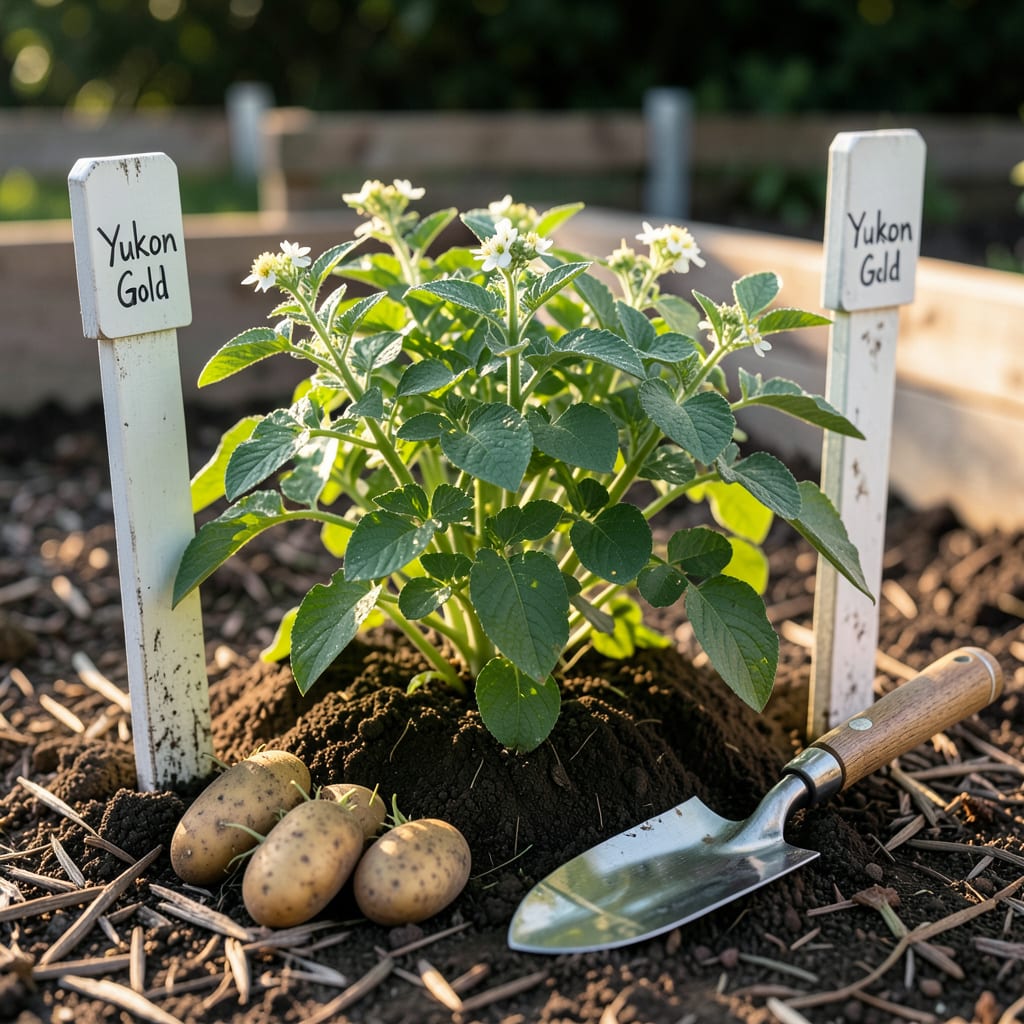
Imagine digging up a bounty of perfect homegrown potatoes this fall—only to realize you planted them at the wrong time. In Utah, timing isn’t just important; it’s the difference between a thriving harvest and a disappointing one.
I’ve seen too many gardeners in Zone 6b struggle with frost surprises or stunted growth because they missed the ideal window. Let’s cut through the guesswork and pinpoint exactly when to get those seed potatoes in the ground for your biggest, healthiest yield yet.
Utah’s diverse climate zones mean potato planting times vary dramatically across the state. In Northern Utah (Zones 4-6), you’ll plant later than gardeners in Southern Utah (Zones 7-9) due to colder springs and higher elevations. Timing hinges on your last frost date.
For most of Utah, the sweet spot is 2-3 weeks before your last expected frost. But here’s the catch: Utah’s weather is unpredictable. I’ve seen late April snowstorms in Salt Lake City and early March thaws in St. George. That’s why soil temperature trumps calendar dates.
| Region | USDA Zone | Last Frost Date | Planting Window |
|---|---|---|---|
| Northern Utah | 4-6 | May 1-15 | Mid-April to early May |
| Central Utah | 5-7 | April 15-30 | Late March to mid-April |
| Southern Utah | 7-9 | March 15-30 | Early March to early April |
*Soil temp should be 45-55°F at 4″ depth.
In high-altitude areas like Park City or Heber Valley, wait until soil reaches 45°F—often as late as mid-May. Use a soil thermometer ($10 at garden centers) to check. I learned this the hard way after losing an entire crop to a late May frost in 2021.
For Southern Utah (St. George, Cedar City), you can start as early as March 1 if soil isn’t waterlogged. But watch for heat waves—potatoes stop forming tubers above 85°F. Use mulch to keep soil cool.
Utah’s clay-heavy soil warms slower than sandy loam. If your soil is still soggy from snowmelt, wait. Planting in cold, wet soil leads to rot. I recommend raised beds for better drainage—especially in the Wasatch Front region.
Here’s my pro tip: Chit your potatoes 4-6 weeks before planting. Place seed potatoes in a bright, cool spot (60°F) to encourage sprouts. This gives you a 2-week head start on growth once planted.
For fall planting (only viable in Southern Utah), aim for late August to harvest before first frost. Varieties like ‘Yukon Gold’ mature in 70-90 days, perfect for this short window. Northern gardeners should skip fall planting—frost comes too soon.
Remember: Utah’s microclimates can vary by neighborhood. Check with your local USU Extension office for hyper-local advice. Their soil temperature maps are gold for precise timing.
If you’re in Salt Lake County, I’d start preparing soil in early April and plant by April 20. For Washington County, shift everything 3 weeks earlier. This flexibility is key to Utah gardening success.
After years of planting potatoes in Utah’s finicky climate, I’ve learned that calendar dates alone won’t cut it. The real secret? Reading your soil conditions like a pro. Even if your neighbor starts planting, your garden might need more time—especially after Utah’s snowmelt-saturated springs.
Here’s the golden rule: Potatoes thrive when soil temps hit 45–55°F at 4-inch depth. But that’s just the start. I’ll show you how to test for moisture balance and workability—two factors that make or break your harvest in Utah’s clay-rich soil.
*Bonus: Add 2–3 inches of mulch after planting to regulate temperature swings common in Utah springs.
Not all potato varieties thrive in Utah’s short growing season and variable climate. After testing dozens over the years, I’ve found the best performers for our state’s unique conditions. The key is matching maturity times to your region’s frost-free window—especially critical in Northern Utah where summers are shorter.
For early-season varieties, I swear by ‘Yukon Gold’ and ‘Norland Red’. They mature in just 70-80 days, perfect for high-altitude gardens. In Southern Utah, you can push the envelope with mid-season types like ‘Kennebec’ (90 days) or ‘Russet Burbank’ (100 days), but watch for heat stress in July.
| Variety | Days to Harvest | Best For | Planting Window |
|---|---|---|---|
| Yukon Gold | 70-80 | All Utah zones | Early April – May 1 |
| Norland Red | 75-85 | High altitude | Mid-April – May 10 |
| Red Pontiac | 90-100 | Southern Utah | March 15 – April 1 |
| Kennebec | 80-90 | Central Utah | March 25 – April 15 |
*Adjust planting dates by 1-2 weeks based on your exact elevation.
In Northern Utah, I stick to early varieties and plant them 2 inches deeper than usual. This protects against late frosts while giving roots more room to develop before summer heat. For Southern Utah, I’ve had great success with ‘Russian Banana’ fingerlings—they handle heat better than most and mature in 85 days.
Here’s my variety selection trick: Count backward from your average first frost date. In Salt Lake City (Oct 15), that means planting by July 15 for 90-day varieties. But I always plant 2 weeks earlier to account for Utah’s early frost surprises. This buffer saved my harvest in 2023 when frost hit on October 1!
For container gardening (great for Utah’s urban gardeners), I recommend ‘Baby Boomer’ or ‘Red Gold’ varieties. They produce well in 5-gallon buckets and mature in 60-70 days. Just
Potatoes thrive when soil reaches 45-55°F at 4-inch depth. In Utah, this typically happens 2-3 weeks before your last frost date. Use a soil thermometer to check—morning readings can be misleading, so test at noon for accuracy.
Choose 5-gallon buckets or fabric grow bags for varieties like ‘Baby Boomer’ or ‘Red Gold’. These mature in 60-70 days and produce well in containers. Just ensure drainage holes and use a lightweight potting mix with added compost.
Cover plants with frost blankets or straw mulch when temps drop below 32°F. In high-altitude areas like Park City, plant 2 inches deeper than usual. For extra protection, use wall o’ water devices—these can add 4-6 weeks to your growing season.
Planting in cold, wet soil after snowmelt is the #1 error. Utah’s clay soil holds moisture longer, leading to rot. Always do the “squeeze test”—if soil forms a muddy ball, wait 3-5 days. I lost an entire crop in 2022 by ignoring this!
Only in Southern Utah (Zones 7-9). Plant by late August using fast-maturing varieties like ‘Yukon Gold’ (70-80 days). Northern gardeners should skip fall planting—frost arrives too early. Always count backward from your first frost date to plan.
