
Beautiful Plants For Your Interior
Beautiful Plants For Your Interior
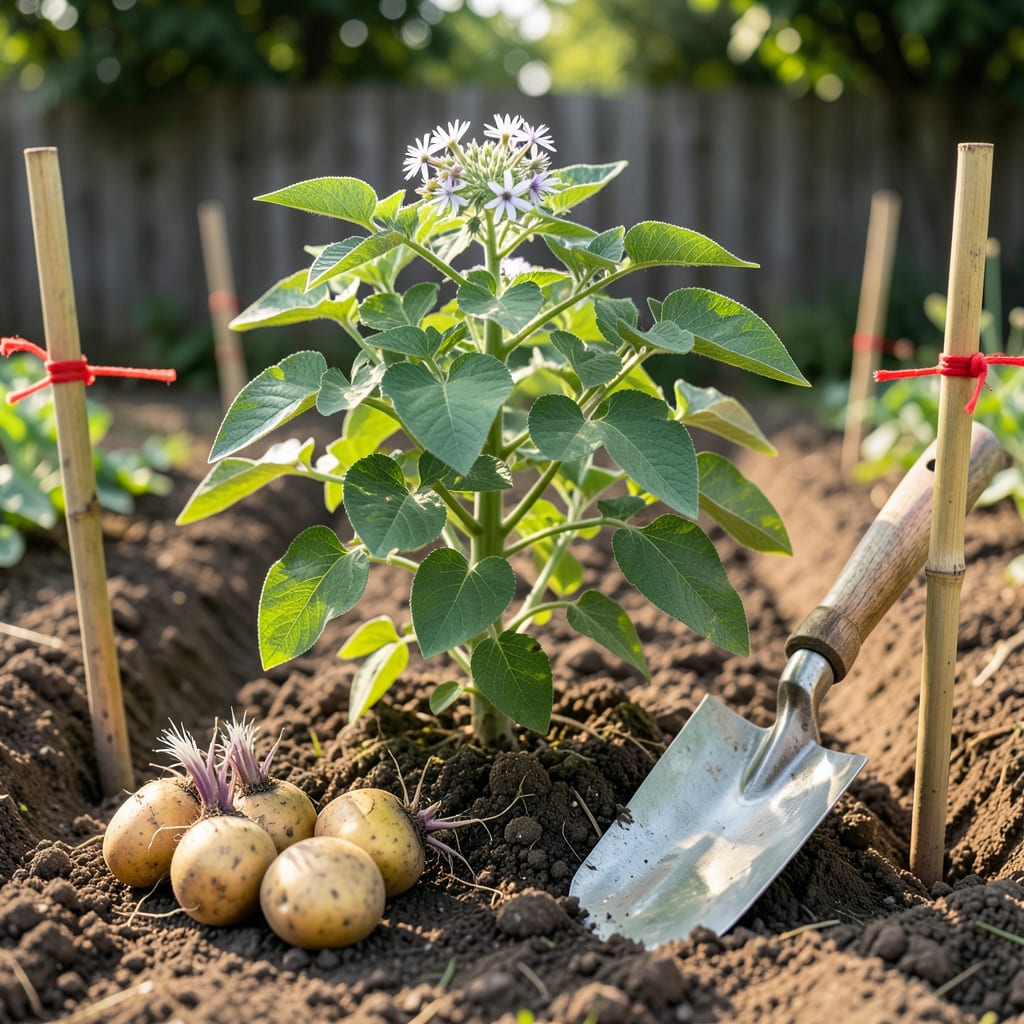
Timing your potato planting in Southern California can mean the difference between a bountiful harvest and a disappointing yield. The region’s unique microclimates—from foggy coastal areas to scorching inland valleys—demand precise planning that most generic guides overlook.
I’ve tested the best planting windows across zones 7–11, and what works in San Diego won’t always thrive in Riverside. Whether you’re chasing early spring spuds or a fall harvest, I’ll break down the exact months to get your 🥔 in the ground for maximum success. Let’s dig in.
If you’ve ever wondered why your neighbor’s potatoes thrive while yours struggle, the answer often comes down to microclimate timing. Southern California’s diverse regions—from foggy coastal zones to scorching inland valleys—demand different planting strategies. I’ll break down the exact months to plant for each area.
Coastal gardeners in USDA Zones 9-10 (think San Diego or Long Beach) enjoy milder temperatures, but that persistent summer fog can linger well into July. Inland areas like Riverside or San Bernardino (Zones 8-9) face hotter summers and occasional frost risks. Both require careful timing.
For coastal areas, I recommend planting seed potatoes in late January through March for a spring harvest. The cool, moist conditions are perfect for sprouting. A second window opens in September–October for winter potatoes, but avoid planting in June–August when fog promotes blight.
Inland gardeners should target February–April for spring potatoes. The soil warms faster here, so you can plant slightly later than coastal folks. For a fall crop, aim for August–early September planting. Pro tip: Use a soil thermometer—if it reads below 55°F, wait a week or two.
If you’re in the high desert (like Palmdale or Victorville), your window is tighter. Plant March through May to avoid both frost and extreme heat. I’ve found ‘Yukon Gold’ and ‘Red LaSoda’ perform best here—they tolerate temperature swings better than other varieties.
Remember, pre-sprouting (or “chitting”) your seed potatoes gives you a 2-week head start. Place them in a bright, cool spot (60–65°F) for 2–3 weeks before planting. This is especially helpful in cooler coastal areas where soil takes longer to warm.
Watering matters too! Coastal potatoes need less frequent watering due to fog, while inland plants may require daily checks in peak summer. Always water at the base of plants to prevent fungal issues. Mulching with straw helps retain moisture and keeps soil temps stable.
For those tempted to plant year-round: resist the urge! Southern California’s mild winters might make it tempting, but potatoes need cool soil to form tubers. Planting in summer often results in small, misshapen spuds—or worse, no harvest at all.
Finally, consider succession planting for a continuous harvest. Plant early, mid, and late-season varieties staggered by 3–4 weeks. For example, start with ‘Irish Cobbler’ (early), follow with ‘Kennebec’ (mid), and finish with ‘Russet Burbank’ (late).
Even experienced gardeners can sabotage their potato crops by overlooking Southern California’s unique challenges. I’ve seen firsthand how three common mistakes derail harvests—from planting during Santa Ana winds to ignoring the coastal fog’s sneaky blight risks. Let’s fix these before they wreck your spuds.
The first blunder? Planting during windy season. Those hot, dry Santa Ana winds (typically October–March) desiccate soil and stress young plants. If your area’s prone to these, delay planting until winds subside or use windbreaks like burlap barriers. I lost an entire crop once by planting too early in Riverside—lesson learned!
Next up: Neglecting soil prep, especially in inland areas with clay-heavy soil. Potatoes need loose, well-draining earth to expand. Before planting, I mix in 3 inches of compost and perlite to break up compacted soil. Pro tip: Test drainage by digging a 1-foot hole—if water pools longer than 10 minutes, amend further.
Coastal gardeners, don’t let summer fog fool you! While it keeps temps mild, the moisture creates a blight paradise. If you must plant in foggy months, choose blight-resistant varieties like ‘Defender’ or ‘Elba’, and space plants 18 inches apart for airflow. I’ve had success with raised beds in coastal areas—they improve drainage and reduce fungal risks.
Finally, mismatching varieties to microclimates is a recipe for disappointment. Inland heat demands heat-tolerant spuds like ‘Yukon Gold’ or ‘Red LaSoda’, while coastal areas can handle slower-maturing types like ‘German Butterball’. Check the days-to-harvest label: under 90 days works best for hot zones, while 100+ days suits cooler coastal spots.
One more pro move: Pre-sprout your seed potatoes to beat the heat. Place them in a bright, 60°F spot for 2–3 weeks before planting. This gives them a head start, crucial in short-season areas. I’ve found this adds 10–14 days to the growing window, which can mean the difference between harvest success and failure.
Remember, potatoes thrive on consistent moisture—not soggy soil. Use drip irrigation on a timer to deliver water at the base of plants, keeping foliage dry. Mulch with straw to retain moisture and regulate soil temp. In drought-prone areas, a 2-inch mulch layer can cut water needs by 30% while boosting yields.
Choosing the right potato variety for your Southern California microclimate is half the battle. I’ve tested dozens of spuds across coastal fog zones, inland heat pockets, and high desert areas to find which varieties truly thrive—and which ones struggle in our unique conditions.
Coastal gardeners (Zones 9-10) should focus on blight-resistant varieties that tolerate cool, moist conditions. Inland growers (Zones 8-9) need heat-tolerant types that can handle temperature swings. Here’s my curated list of top performers, matched to your specific region and planting window.
For early harvests, I recommend ‘Irish Cobbler’ (60–70 days) in coastal areas or ‘Norland Red’ (70–80 days) for inland gardens. Both varieties handle cooler soil temps better than most, making them ideal for January–February planting in warmer zones.
If you’re dealing with clay soil (common in Riverside and San Bernardino), opt for ‘Kennebec’ or ‘Shepody’. Their vigorous root systems break through compacted earth better than other varieties. I’ve had great success with these in raised beds filled with a 50/50 mix of native soil and compost.
For container gardening—perfect for urban SoCal gardeners—try ‘Fingerling’ varieties like ‘French’ or ‘Russian Banana’. They produce well in 5-gallon buckets and tolerate the temperature fluctuations common on balconies and patios. Just ensure your containers have drainage holes and use a lightweight potting mix.
Remember, succession planting is your friend! Stagger plantings every 3–4 weeks for a continuous harvest. In coastal areas, I plant my first batch in late January, followed by a second in early March, and a final fall crop in September. This gives me fresh potatoes nearly year-round without overwhelming my garden space.
Pro tip: Always pre-sprout your seed potatoes for 2–3 weeks before planting. This is especially crucial in shorter-season areas like the high desert. Simply place them in a bright, 60°F location until sprouts reach ½ inch long. This small step can shave 10–14 days off your growing time! 🥔
Not quite! While our mild winters are tempting, potatoes need cool soil (50–65°F) to form tubers. Coastal areas can plant in January–March and September–October, while inland zones should stick to February–April and August–September. Summer plantings often fail due to heat stress.
Use a soil thermometer—potatoes need 50°F+ to sprout. Coastal gardeners can plant when soil hits 50°F, but inland areas should wait for 55°F+. A quick test: If barefoot soil feels cool but not cold, it’s likely ready. Morning sun exposure helps warm soil faster in spring.
‘Yukon Gold’ and ‘Red LaSoda’ thrive in heat. They tolerate inland temps better than russets and mature in 70–90 days. For clay soil, try ‘Kennebec’—its strong roots break through compacted earth. Always mulch with straw to keep soil temps stable during heatwaves.
Summer fog creates perfect conditions for blight. Plant blight-resistant varieties like ‘Defender’ or ‘Elba’, and avoid June–August plantings. Space plants 18 inches apart for airflow, and water at the base only—never overhead. Raised beds improve drainage and reduce fungal risks.
Use 5-gallon buckets with drainage holes and a lightweight potting mix. ‘Fingerling’ varieties like ‘French’ or ‘Russian Banana’ do well in containers. Place in full sun (6+ hours) and water every 1–2 days. Harvest when plants flower—container-grown spuds mature slightly faster than in-ground.
