
Beautiful Plants For Your Interior
Beautiful Plants For Your Interior
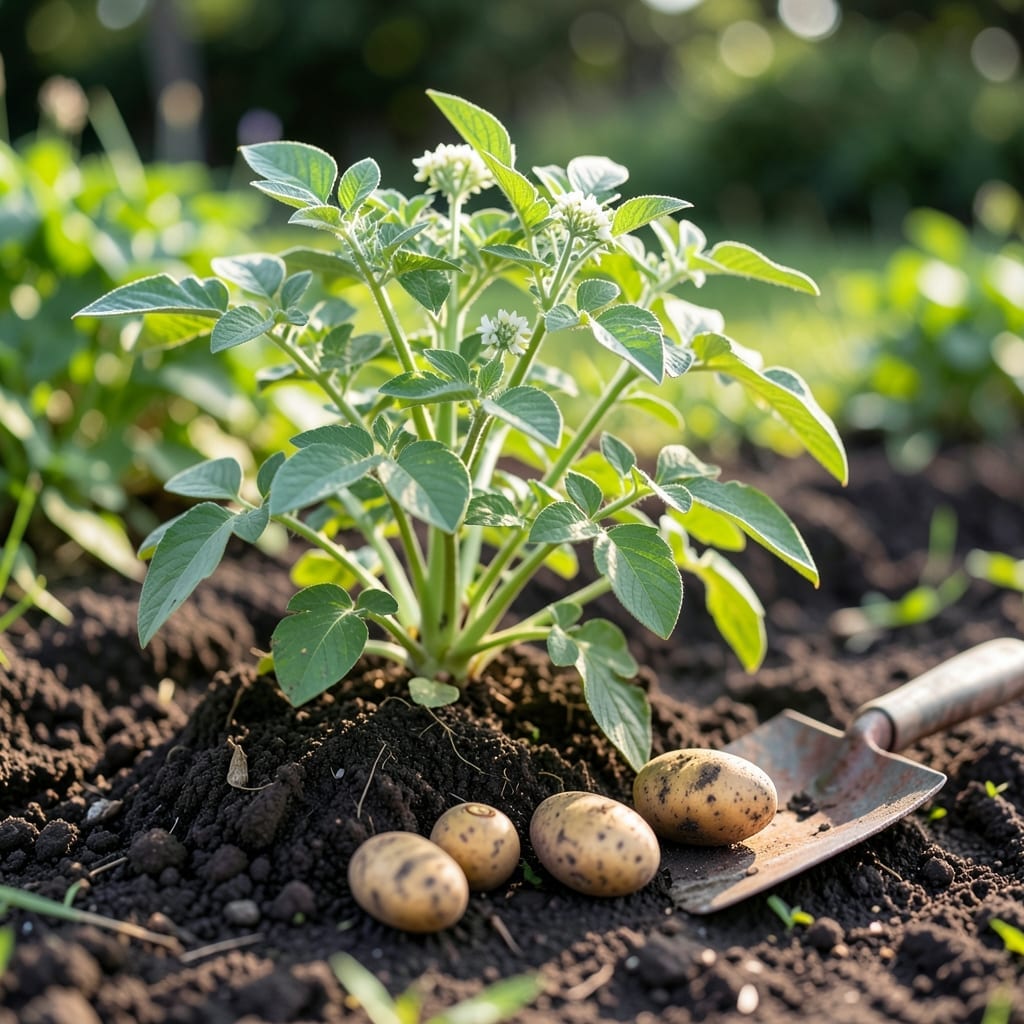
Timing is everything when growing 🥔 Potato in South Dakota’s unpredictable climate. Plant too early, and frost may kill your sprouts; plant too late, and your harvest could suffer from summer heat.
In zones 4a-5b, getting the timing right can mean the difference between a bountiful harvest and a disappointing one. The window is narrow, but when you hit it just right, the results are worth it.
I’ve learned through trial and error that understanding the local climate is the key to success. The soil temperature and last frost date play crucial roles in determining when to start.
Discover how to align your planting schedule with South Dakota’s unique conditions for the best possible yield this season.
In South Dakota, the USDA hardiness zones range from 3 to 5, each with unique planting windows for potatoes. The key is waiting until soil temps hit 45-50°F for optimal sprout growth.
I always check my local last frost date—typically May 15 in Zone 4—before planting. This ensures my seed potatoes avoid late frosts that can damage tender shoots.
| Zone | Planting Window | Last Frost Date | Soil Temp Requirement |
|---|---|---|---|
| Zone 3 | Mid-May to early June | May 20 | 45°F minimum |
| Zone 4 | Late April to mid-May | May 15 | 45-50°F ideal |
| Zone 5 | Early April to late April | April 30 | 50°F optimal |
For Zone 3 gardeners, the short growing season means planting as soon as soil is workable, often after Mother’s Day. I use a soil thermometer to confirm conditions.
In Zone 4, like Sioux Falls, I start 2-3 weeks before the last frost. This gives my Yukon Golds a head start before summer heat arrives.
Meanwhile, Zone 5 areas near the Minnesota border can plant earlier. But I still watch for late frosts that might sneak in during April.
Remember, soil prep is crucial. I test pH (aim for 6.0-6.5) and add compost for nutrients. Well-draining soil prevents rot in our wet springs.
Chitting seed potatoes indoors for 2-3 weeks before planting gives them a boost. I place mine in a bright, cool spot to develop short, sturdy sprouts.
Watch the 10-day forecast before planting. If a cold snap threatens, I cover my rows with frost blankets to protect emerging plants.
Finally, I mulch heavily with straw to maintain soil warmth and moisture. This is especially helpful in Zone 3’s cooler climate.
With these zone-specific strategies, you’ll maximize your potato yield across South Dakota’s diverse conditions. ☀️
Choosing the right potato variety makes all the difference in South Dakota’s short growing season. Early varieties mature in 70-90 days, perfect for avoiding early fall frosts.
Mid-season types take 90-110 days, while late varieties need 110-130 days. For zones 4a-5b, early and mid-season potatoes are your safest bets for a full harvest.
| Variety Type | Maturity Time | Best For |
|---|---|---|
| Early | 70-90 days | Short seasons, cold climates |
| Mid-Season | 90-110 days | Balanced yield and storage |
| Late | 110-130 days | Longer seasons, warmer areas |
For South Dakota, I recommend Yukon Gold or Red Norland as early varieties. They handle cool soils well and produce reliable yields even with a late start.
Kennebec is a solid mid-season choice if your area has a slightly longer growing window. It offers excellent storage potential and good disease resistance.
Avoid late varieties unless you’re in a warmer microclimate or using season-extending techniques like row covers. Even then, the risk of early frost can be a gamble.
Remember, soil temperature is critical. Wait until it reaches at least 45°F before planting, regardless of variety. This ensures your seed potatoes won’t rot in cold, wet soil 🌱