
Beautiful Plants For Your Interior
Beautiful Plants For Your Interior
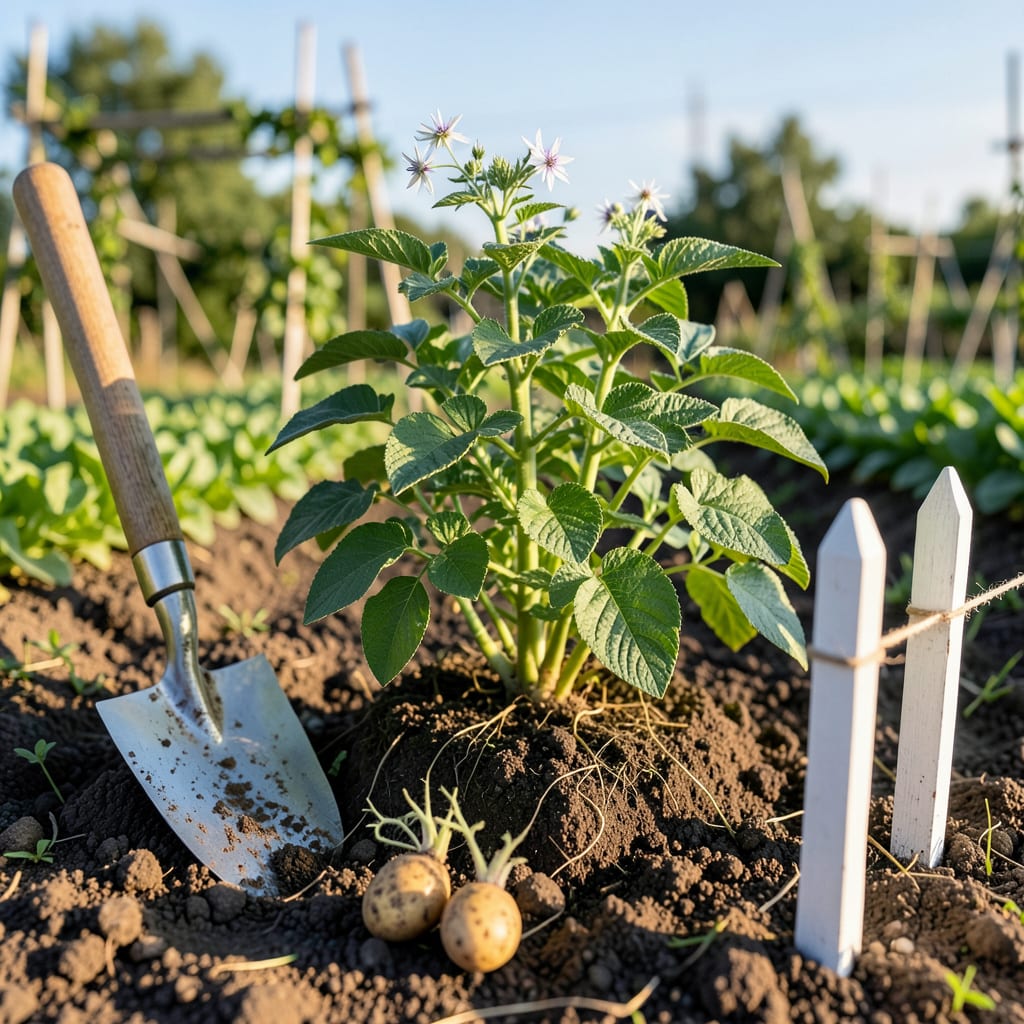
Timing your 🥔 potato planting in New York can mean the difference between a bountiful harvest and a disappointing yield. Plant too early, and frost might ruin your crop; wait too long, and you’ll miss the ideal soil conditions.
I’ve tested different approaches across NY’s zones, and the sweet spot is clearer than you think. Whether you’re in the Adirondacks or Long Island, I’ll break down the best windows for spring and summer planting—so you can dig up more potatoes than ever this season.
If you’re wondering when to plant potatoes in NY, timing depends heavily on your region. Upstate gardeners in Zone 5 need to watch for later frosts, while Long Island’s Zone 7 allows earlier starts. The golden rule? Soil temps must hit 45°F+ before planting.
I’ve found that early spring planting (March–April) works best for most of NY, but a late summer crop (July–August) can yield a second harvest in warmer zones. Let’s break down the specifics by region—because a week’s difference can make or break your yield.
| Region | USDA Zone | Spring Planting | Late Summer Planting | Last Frost Date |
|---|---|---|---|---|
| Upstate (Buffalo, Syracuse) | 5a-5b | Late April–Early May | Late July–Early Aug | May 10–15 |
| Hudson Valley | 6a-6b | Mid-April–Early May | Early–Mid July | April 20–30 |
| Long Island | 7a-7b | Late March–Mid-April | Late June–Early July | April 1–15 |
| NYC Metro | 7a-7b | Late March–Mid-April | Late June–Early July | April 1–10 |
*Plant 2–3 weeks before last frost for spring crops. Soil temp must be ≥45°F.
In Upstate NY, I wait until late April to avoid surprise frosts. The Hudson Valley gets a slight head start, while Long Island gardeners can plant as early as late March. Urban areas like NYC benefit from heat islands, allowing earlier planting.
For late summer potatoes, timing is tighter. Plant 10–12 weeks before first frost to ensure maturity. In Zone 5, that means late July; Zone 7 can push to early August. Use fast-maturing varieties like ‘Yukon Gold’ for fall crops.
Soil prep matters too! Work in compost and ensure loose, well-draining soil to prevent rot. I’ve seen heavy clay in Western NY cause issues—amend with sand or peat moss if needed. A soil thermometer is your best friend here.
Don’t forget seed potato selection. Early varieties like ‘Red Norland’ thrive in short seasons, while ‘Kennebec’ handles longer growing windows. For fall planting, stick to 70–90 day varieties to beat the frost.
Pro tip: Pre-sprout (chit) your seed potatoes 4–6 weeks before planting. Place them in a bright, cool spot (60–65°F) to encourage sturdy sprouts. This gives you a 2-week head start on growth once planted.
Watch for Colorado potato beetles, especially in summer plantings. Handpick adults and larvae, or use neem oil for organic control. Rotate crops yearly to reduce pest pressure and disease buildup.
Finally, mulch heavily after planting to retain moisture and suppress weeds. Straw or shredded leaves work well. In dry summers, aim for 1–2 inches of water weekly—consistency is key for tuber development.
Planting potatoes in New York isn’t just about timing—it’s about nailing the details. After years of trial and error, I’ve found that soil prep, variety selection, and moisture control can make or break your harvest. Even perfect timing won’t save a crop in poor conditions.
Let’s dig into the five critical factors that separate thriving potato plants from disappointing ones. From soil texture to sunlight exposure, these elements ensure your spuds grow plump and healthy—no matter where you are in NY.
First, test your soil before planting. Potatoes thrive in slightly acidic soil (pH 5.0–6.5). In Upstate NY, I’ve seen alkaline soil stunt growth—amend with sulfur or pine needles if needed. A $10 soil test kit saves months of frustration.
Next, seed potato prep is often overlooked. Chitting (pre-sprouting) gives a 2-week head start. Place seed potatoes in a cool, bright spot (60–65°F) 4–6 weeks before planting. Look for sturdy, ½-inch sprouts—weak sprouts lead to weak plants.
For container gardeners, use fabric grow bags (10+ gallons) with drainage holes. Fill with a 50/50 mix of potting soil and compost. Containers dry faster, so check moisture daily. I’ve grown 20+ pounds of potatoes in a single bag using this method!
Don’t skip hilling—it’s the secret to bigger yields. When plants reach 6 inches tall, mound soil around the stems, leaving 2 inches exposed. Repeat every 2–3 weeks. This prevents greening (toxic solanine) and encourages more tubers to form along the buried stem.
Finally, harvest timing impacts flavor and storage. For new potatoes, dig when plants flower (2–3 weeks after blooming). For mature potatoes, wait until foliage yellows and dies back. Cure harvested potatoes in a dark, humid spot (60°F) for 1–2 weeks to toughen skins for storage.
Planting potatoes in spring vs. late summer in New York doesn’t just change your timeline—it transforms your harvest. I’ve grown both, and the differences in yield size, flavor, and storage life might surprise you. Spring-planted spuds often store longer, while fall crops can be sweeter but smaller.
The secret lies in how growing conditions shift between seasons. Spring potatoes benefit from cool, moist soil, while summer-planted ones face heat stress and pests. Let’s compare the two so you can decide which (or both!) fits your garden goals.
Tip: For fall crops, choose ‘Yukon Gold’ (70 days) or ‘Red Pontiac’ (80 days) to beat frost.
Spring-planted potatoes in NY typically yield 20–30% more than fall crops. The cooler soil encourages steady tuber growth, while longer daylight hours in June–July maximize photosynthesis. I’ve pulled 5–10 pounds per plant from spring plantings in loamy Hudson Valley soil.
Fall potatoes, however, develop a sweeter, nuttier flavor thanks to cooler autumn nights. The starches convert to sugars, making them ideal for roasting. But be warned: summer heat can stunt growth. In Zone 5, I’ve lost fall crops to early October frosts—always check your first frost date.
For succession planting, try this: Plant half your crop in early April and the rest in early July. You’ll get a June harvest of new potatoes and a September harvest of storage spuds. Just rotate beds yearly to prevent disease buildup in the soil.
Storage differs too! Spring potatoes keep for 4–6 months in a cool, dark place (45–50°F). Fall-harvested spuds? Use them within 2–3 months—their thinner skins dry out faster. Pro tip: Cure all potatoes in a humid spot (60°F) for 1–2 weeks post-harvest to toughen skins.
🥔In Zone 5 areas like Buffalo or Syracuse, aim for late April—about 2–3 weeks before the last frost (typically May 10–15). Soil temps must hit 45°F+ first. Use a soil thermometer to check!
If you’re eager to start earlier, pre-sprout seed potatoes indoors in March. This gives plants a 2-week head start once planted. Just avoid planting in cold, wet soil—it can cause rot.
Use 10+ gallon fabric grow bags or deep pots with drainage. Fill with a 50/50 mix of potting soil and compost. NYC’s Zone 7 climate allows planting as early as late March.
Place containers in full sun (6+ hours daily)—south-facing is ideal. Water every 3–5 days (containers dry faster). I’ve grown 20+ pounds in a single bag using ‘Yukon Gold’!
Cover plants with frost blankets or straw mulch if temps drop below 32°F. In Upstate NY, keep blankets handy until mid-May. Remove covers during the day to allow sunlight and airflow.
For extra protection, plant in raised beds—soil warms faster there. Avoid plastic covers; they can trap moisture and encourage disease. Check the 10-day forecast before planting!
This usually happens due to heat stress or inconsistent watering. In NY’s summer, aim for 1–2 inches of water weekly. Mulch heavily with straw to retain moisture and cool roots.
For late summer crops, choose fast-maturing varieties like ‘Red Norland’ (70 days). Plant by early August in Zone 7 to avoid frost. Cracking can also mean over-fertilizing—ease up after flowering!
