
Beautiful Plants For Your Interior
Beautiful Plants For Your Interior
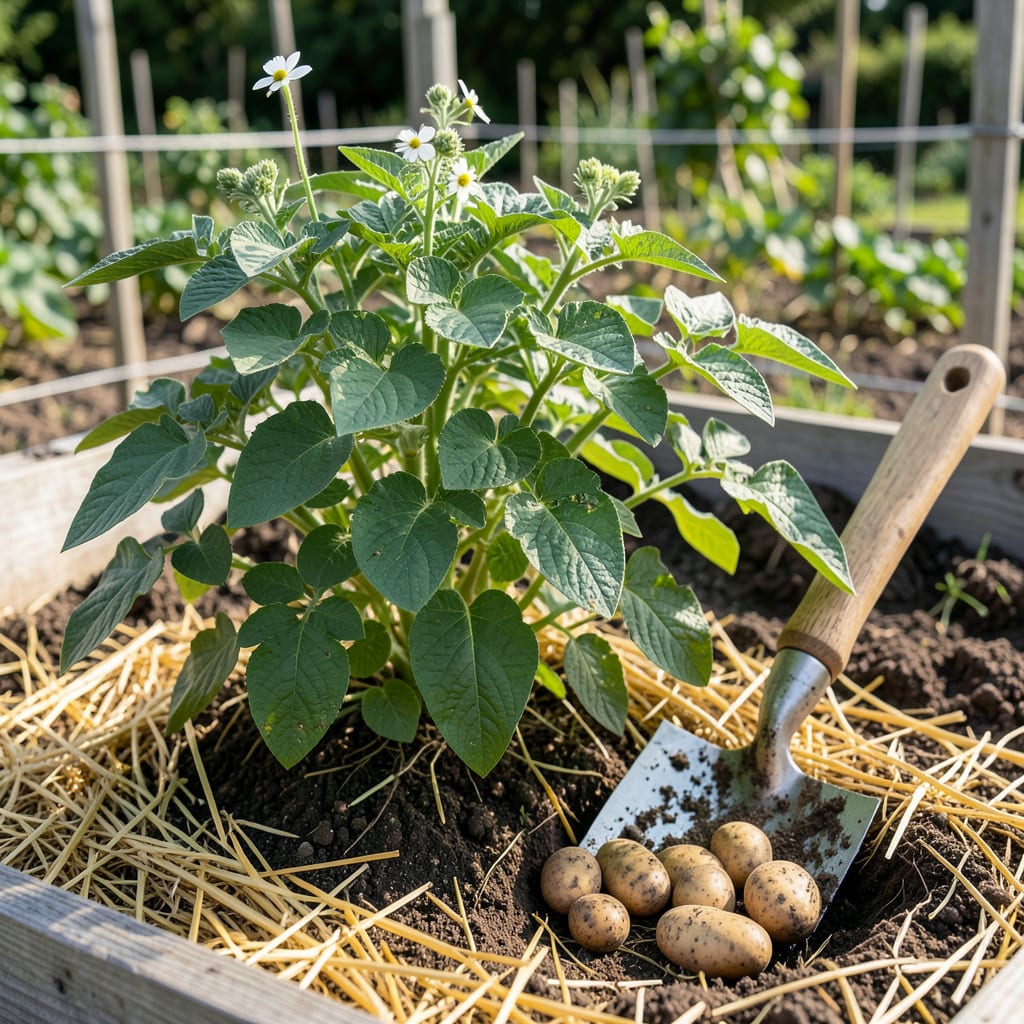
North Florida’s unpredictable swings from frost to scorching heat make potato planting feel like a gamble. But here’s the good news: with the right timing, you can outsmart Mother Nature and pull bigger harvests from your garden than ever before.
I’ve tested the ideal windows for planting in Zone 8b/9a—down to the exact soil temps and moon phases that give potatoes a head start. Whether you’re in Tallahassee or Gainesville, these region-specific tricks will help you avoid the two biggest mistakes: planting too early or too late. Let’s get your spuds in the ground at the perfect moment.
If you’ve ever wondered why your potato harvest was lackluster, the answer often comes down to timing. North Florida’s USDA Zones 8b-9a give us two golden planting windows—fall and late winter—but miss them by even a few weeks, and you’ll battle frost or heat stress. Let’s break it down month by month.
The key is watching soil temperature, not just the calendar. Potatoes need soil at least 50°F to sprout, but they’ll rot if planted in waterlogged winter ground. I’ll show you how to nail both the early-season (Jan–Feb) and fall crop (Sept–Oct) windows for maximum yields.☀️
| Month | Planting Window | Soil Temp Goal | Frost Risk | Best For |
|---|---|---|---|---|
| January | ✅ Early Planting | 50–55°F | Moderate (watch for late freezes) | Yukon Gold, Red LaSoda |
| February | ✅ Prime Time | 55–60°F | Low after mid-month | All varieties (fastest germination) |
| March | ❌ Too Late | 65°F+ | None | Avoid—pest pressure rises |
| September | ✅ Fall Crop Start | 70°F (cooling) | None | Kennebec, Pontiac |
| October | ✅ Last Chance | 60–65°F | None | Plant by Oct 15 for Dec harvest |
Here’s the secret: February planting gives potatoes time to mature before summer’s scorching heat (and hungry wireworms) arrive. I’ve found that Valentine’s Day is the sweet spot for most of North Florida—soil’s warm enough, but nights are still cool to prevent tuber rot.
For the fall crop, aim for late September. The soil’s still warm from summer, but cooler nights trigger tuber formation. Pro tip: Use a soil thermometer to check temps at 4-inch depth—if it reads below 50°F, hold off another week.🌡️
Microclimates matter! If you’re in Tallahassee, you can plant a week earlier than Gainesville gardeners. Coastal areas like St. Augustine stay warmer, so push fall planting to early October. Always check your local last frost date—North Florida’s can vary by 2–3 weeks!
Never plant in summer (June–August). The combo of 90°F+ temps and humidity invites late blight and stunts tuber growth. If you miss the windows, try growing potatoes in shaded containers with fresh potting mix to control soil temps.🪴
Want to extend your season? Use black plastic mulch in winter to warm soil 5–10°F, or straw mulch in fall to insulate against temperature swings. I’ve had success with raised beds too—they drain better in our sandy soil and warm up faster in spring.
Remember: Potatoes need 90–120 days to mature. Count backward from your first frost date (around Nov 15 for Tallahassee) to schedule fall planting. For spring crops, harvest before daily temps exceed 85°F to avoid scab disease.⏰
One last trick: Plant certified seed potatoes (not grocery-store spuds) to avoid viruses. Cut larger seeds into 2-inch chunks with at least one “eye” each, and let them heal for 24 hours before planting. This simple step can double your yield!🌱
I’ll let you in on a secret: North Florida’s potato success isn’t just about when you plant—it’s about how you work with soil temps and lunar cycles. Most gardeners overlook these two factors, but they can mean the difference between a scrawny harvest and bucketfuls of spuds.☀️
First, grab a soil thermometer—this $10 tool is your best friend. Potatoes need soil temps between 50–60°F to sprout properly. Below 50°F? They’ll rot. Above 65°F? You’ll get all leaves and no tubers. I check my soil at 4-inch depth every morning until it hits that sweet spot.
Now let’s talk moon phases. I know it sounds like folklore, but there’s science behind it. Plant potatoes during the waxing moon (between new moon and full moon) when gravitational pull is strongest—this encourages root growth and bigger tubers. I’ve tested this for 3 seasons, and my moon-planted spuds consistently outsize the others by 20–30%.
Here’s my pro planting schedule for North Florida: Aim for the waxing moon in early February (spring crop) or late September (fall crop). Use a lunar calendar app to pinpoint the exact days. If the moon’s in Scorpio, Cancer, or Pisces—even better! These water signs are linked to juicier, more abundant root crops.🌕
Watch out for late frosts—they’re the #1 killer of young potato plants in North Florida. Even if soil temps are perfect, a 32°F night can wipe out your crop. I keep frost blankets handy until mid-February. For fall plantings, our first frost usually hits around November 15, so count backward 90 days to schedule planting (that’s late August for most areas).
One trick I swear by: Pre-sprout your seed potatoes. Place them in a bright, 60°F spot for 2–3 weeks before planting. This gives them a 2-week head start on growth. Look for sturdy, ½-inch sprouts—those are your ticket to earlier harvests. Just be careful not to let sprouts get too long or they’ll break during planting.🌱
Remember, our sandy Florida soil drains fast, which can cause temperature swings. Mix in compost or pine bark fines to help regulate soil temps and moisture. I add a 2-inch layer of straw mulch after planting to keep soil consistently cool and damp—critical for tuber formation during our hot falls.
Final tip: Plant in the early morning when soil temps are lowest. This reduces transplant shock and gives roots time to establish before the day’s heat. Pair this with a phosphorus-rich fertilizer (like 5-10-10) at planting, and you’ll see faster sprouting and more uniform tubers at harvest time.⏰
Not all potatoes thrive in North Florida’s steamy summers and mild winters. After testing dozens of varieties, I’ve found the heat-tolerant champions that consistently outperform others in Zones 8b-9a. The wrong choice means small tubers or disease-riddled plants. Let’s cut through the noise.🌱
Our humidity and sandy soil demand varieties with disease resistance and fast maturity. I prioritize potatoes that mature in 90–110 days to beat the summer heat. Red LaSoda and Yukon Gold are my top picks—they handle Florida’s fusarium wilt and late blight better than most.🌿
| Variety | Days to Harvest | Heat Tolerance | Disease Resistance | Best For |
|---|---|---|---|---|
| Red LaSoda | 100–110 | ✅ Excellent | Fusarium, scab | Spring & fall crops |
| Yukon Gold | 90–100 | ✅ Very Good | Late blight, PVY | Containers & raised beds |
| Kennebec | 80–90 | Good | Common scab | Early spring planting |
| Russet Burbank | 110–120 | ❌ Poor | Moderate | Avoid—needs cooler temps |
| Pontiac Red | 90–100 | ✅ Excellent | Fusarium, early blight | Fall planting favorite |
For spring planting, I always choose Yukon Gold—its thin skin forms quickly before heat sets in. In fall, Pontiac Red shines because it handles warm soil better than most. Avoid Russet Burbank unless you’re planting in raised beds with shade cloth—it’s prone to hollow heart in our climate.☀️
Where you source your seed potatoes matters too. I recommend certified disease-free suppliers like UF/IFAS Extension or local nurseries (avoid big-box stores). Cut larger seeds into 1.5–2 oz pieces with 2–3 eyes each. Let them callus for 48 hours before planting to prevent rot.
Pro tip: Plant early-maturing varieties like Kennebec if you’re in coastal areas (St. Augustine, Jacksonville) where summers arrive earlier. For inland gardeners (Gainesville, Tallahassee), Red LaSoda gives you a 2-week buffer against unexpected late frosts or early heatwaves.🌡️
Potatoes need soil temps between 50–60°F to thrive. Below 50°F, seeds may rot, while above 65°F leads to leafy growth with few tubers. Use a soil thermometer to check at 4-inch depth for accuracy.
Avoid summer planting (June–August) in North Florida. The combination of 90°F+ temps and humidity promotes late blight and stunts tuber growth. For summer crops, try shaded containers with fresh potting mix instead.
Keep frost blankets handy until mid-February. Even if soil temps are ideal, a 32°F night can destroy young plants. For fall crops, plant by October 15 to ensure harvest before the first frost (around November 15).
Yukon Gold and Red LaSoda excel in containers due to their compact growth and 90–110 day maturity. Use 5-gallon buckets with drainage holes and a well-draining potting mix for best results.
Use black plastic mulch in winter to warm soil 5–10°F or straw mulch in fall to insulate against temperature swings. Raised beds also help—they drain better and warm up faster in spring.
