
Beautiful Plants For Your Interior
Beautiful Plants For Your Interior
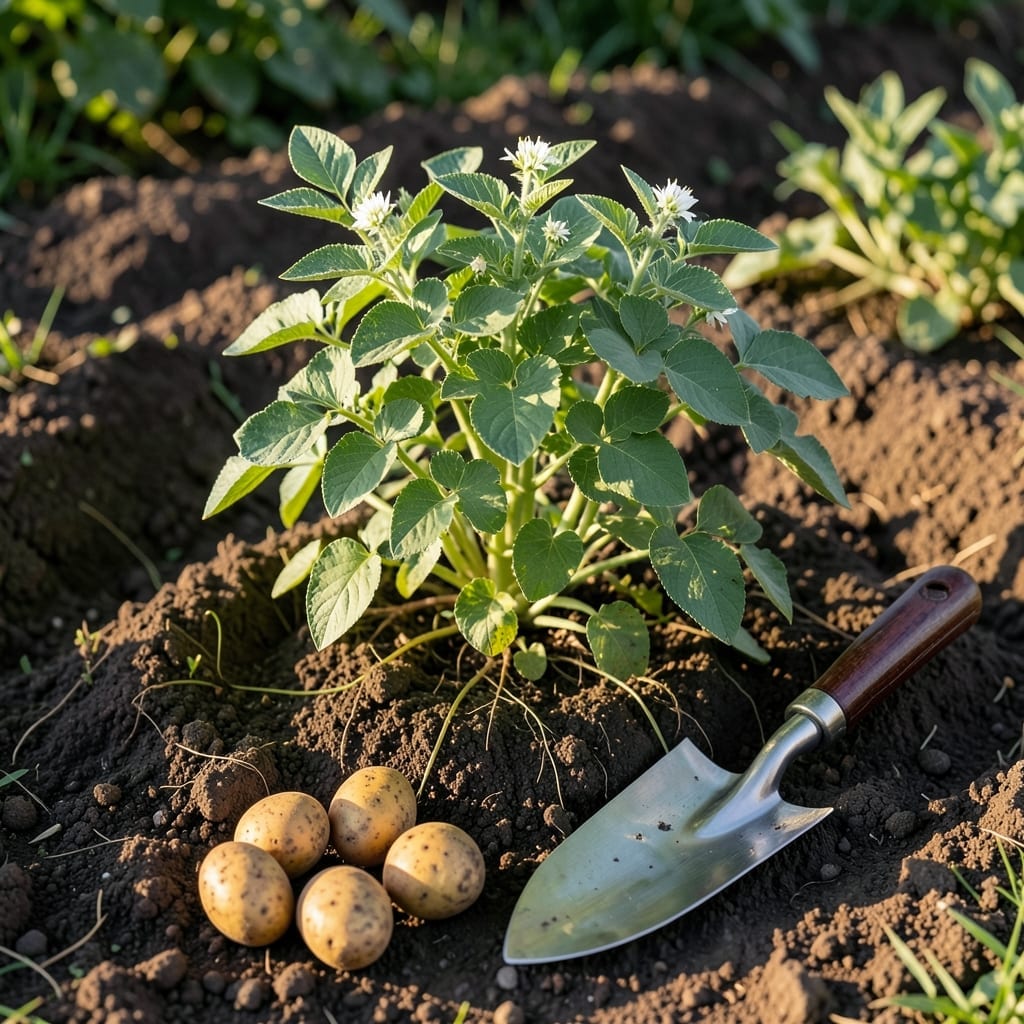
Timing is everything when planting Potato 🥔 in New Jersey. Plant too early and frost may ruin your crop. Too late, and you’ll miss the optimal growing window in zones 6b-7a.
I’ve learned from experience that getting this right means the difference between a meager harvest and a bumper crop. The Garden State’s climate offers a unique advantage for gardeners who know the schedule.
What I’m about to share comes from years of testing and local extension service recommendations. These aren’t just guesses—they’re proven strategies for New Jersey’s spring planting season.
Discover the precise dates that work best for your area and how to prepare for success. Let’s get your Potato patch off to the perfect start.
In New Jersey, your potato planting timeline depends on your region and the variety you choose. The Garden State spans USDA zones 6b-7a, so timing varies slightly from north to south.
I always recommend checking your last frost date—typically April 15 in most areas. Plant 2-3 weeks before this date when soil temps hit 45°F for best results.
| Region | Early Varieties | Mid-Season | Late Varieties |
|---|---|---|---|
| Northern NJ | Late March | Early April | Mid-April |
| Central NJ | Mid-March | Late March | Early April |
| Southern NJ | Early March | Mid-March | Late March |
For early varieties like Yukon Gold, aim to plant 70-90 days before your desired harvest. These mature fastest and work well in cooler spring soils.
Mid-season potatoes such as Red Pontiac need 90-110 days. They handle slight temperature swings better than early types.
Late varieties like Kennebec require 110-135 days. Plant these only in warmer regions or start them indoors to avoid fall frosts.
In southern NJ, you can often plant 2 weeks earlier than northern areas. The sandy soils warm up faster, giving you a longer growing season.
For northern NJ, wait until soil is workable and frost risk passes. Using black plastic mulch can help warm the soil 2-3 degrees.
I always pre-sprout my seed potatoes indoors. Place them in a bright, cool spot for 2-4 weeks before planting. This gives them a head start once in the ground.
Remember, soil temperature is more important than calendar dates. Use a soil thermometer to check—45°F minimum is ideal for planting. If a late frost threatens, cover plants with row covers.
With these timings, you’ll maximize your New Jersey potato harvest and enjoy fresh tubers all season long 🌱
Getting your New Jersey soil ready for potato planting is just as crucial as timing. I always start by testing the soil pH, aiming for 5.0 to 6.0—potatoes thrive in slightly acidic conditions.
The Rutgers Cooperative Extension offers affordable soil tests, which I highly recommend. They’ll give you a precise read on pH levels and nutrient content, so you can amend accordingly.
In my experience, sandy loam works best for potatoes in NJ. If your soil is heavy clay, mix in compost or peat moss to improve drainage and aeration.
I also avoid fresh manure—it can cause tubers to scab. Instead, use well-rotted compost or a balanced organic fertilizer worked into the soil a few weeks before planting.
For northern NJ, where soils tend to be cooler and wetter, I add raised beds to improve drainage and warm the soil faster in spring.
Finally, a pre-planting watering helps settle the soil. But don’t overdo it—potatoes hate soggy feet! 🌱