
Beautiful Plants For Your Interior
Beautiful Plants For Your Interior
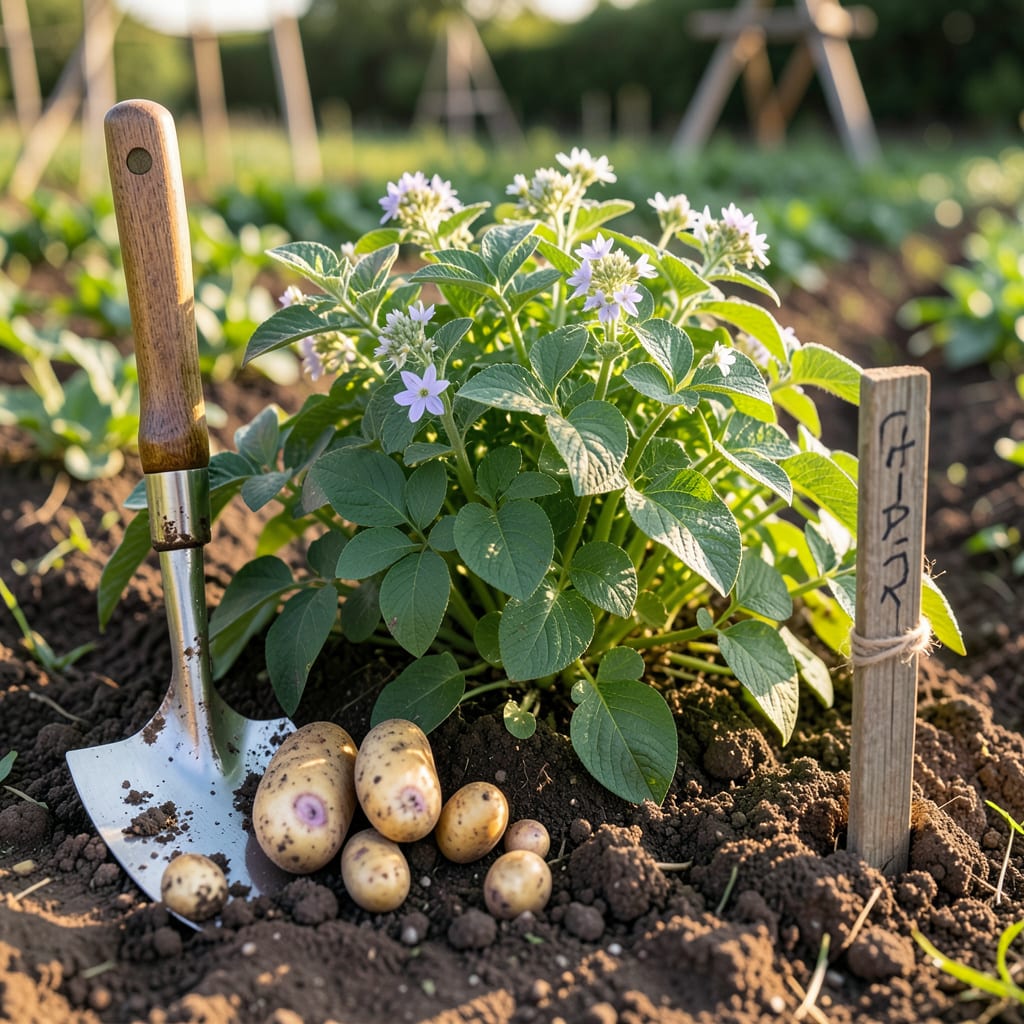
Timing your potato planting in Nebraska isn’t just about marking a calendar—it’s about outsmarting the state’s unpredictable spring frosts and clay-heavy soil. One misstep, and you could be digging up stunted spuds instead of a bumper crop.
After years of testing (and a few failed harvests), I’ve nailed the exact window for zones 5a-5b. Whether you’re in Omaha or Kearney, I’ll show you how to sync with Nebraska’s last frost dates—so your 🥔 patch thrives, not just survives.
Nebraska’s USDA Zones 4-6 create a patchwork of planting windows. In the eastern counties (Omaha, Lincoln), you’ll plant 2-3 weeks earlier than gardeners in the Panhandle. The secret? Watching soil temps—not just calendar dates.
I’ve found that 45°F soil is your green light, but 50°F+ is ideal for fast sprouting. Below, I’ll break down exact timelines for your corner of the state—so you’re not left guessing when to dig in those seed potatoes. 🌱
Eastern Nebraska’s warmer microclimates let you push the envelope. I’ve planted ‘Yukon Gold’ as early as March 15 in Lincoln—with row covers ready for late frosts. But in Scottsbluff, waiting until mid-April saves heartache from surprise cold snaps.
Soil prep matters more than you think. Nebraska’s clay-heavy dirt holds cold longer, so I test with a thermometer at 4-inch depth. Pro tip: Black plastic mulch warms soil 5–10°F faster than bare ground. Lay it down 2 weeks pre-plant for a head start.
For early varieties like ‘Norland’ (70 days), aim for the first half of your window. ‘Kennebec’ (90 days) or ‘Russet’ (110 days) can go in later—they’ll still mature before Nebraska’s October frosts. Always cut seed potatoes 48 hours pre-plant to heal cut surfaces.
Watch the 10-day forecast like a hawk. If nighttime temps dip below 28°F after planting, have frost blankets or straw mulch ready. I lost a whole row once to a May 1 frost in Kearney—lesson learned! Now I keep old bedsheets in the shed for emergencies.
Western Nebraska’s shorter season demands fast-maturing varieties. ‘Red Pontiac’ (80 days) thrives there, while eastern gardeners can experiment with late-season ‘German Butterball’ (100 days). Remember: Hill plants every 2 weeks to prevent greening and boost yields.
Post-planting, consistency is key. Nebraska’s spring winds dry soil fast, so I water deeply weekly (1–2 inches) until sprouts emerge. Then, switch to drip irrigation to keep foliage dry and prevent early blight, a common issue in humid eastern counties.
By Memorial Day, your plants should be 6–8 inches tall. If they’re lagging, check for cutworms (common in corn-country Nebraska) or nutrient deficits. A fish emulsion spray can give them a quick nitrogen boost without burning tender roots. 🌿
Even experienced gardeners can sabotage their Nebraska potato crop with simple oversights. I’ve seen firsthand how planting too early or neglecting soil prep turns promising starts into disappointing harvests. Let’s tackle the three biggest pitfalls—so you don’t repeat them.
The most common error? Ignoring soil temperature. Potatoes need 45°F+ soil to sprout, but Nebraska’s clay-heavy ground warms slowly. Planting in cold, wet soil leads to rot, not roots. Always use a soil thermometer—don’t guess!
Another costly mistake: poor variety selection. Not all potatoes thrive in Nebraska’s short season. Avoid late-maturing varieties like ‘Russet Burbank’—they often get nipped by early fall frosts. Instead, opt for ‘Yukon Gold’ (70 days) or ‘Red Norland’ (80 days) for reliable yields.
Finally, don’t underestimate hilling. Nebraska’s spring winds and rain can expose tubers to greening (toxic solanine buildup). Hill soil around stems every 2 weeks until plants flower. Use straw mulch to protect against temperature swings—it’s a game-changer here.
Pro tip: If your soil stays soggy (common in eastern Nebraska), plant in raised beds or containers. Potatoes hate “wet feet”, and our clay holds moisture like a sponge. Test drainage by digging a 12″ hole—if water pools, amend with perlite or plant in mounds.
Remember, Nebraska’s last frost dates vary by 3+ weeks across the state. Coastal gardeners’ advice won’t cut it here. Stick to local extension office data, and when in doubt, wait an extra week—it’s better than replanting after a late frost! 🌱
Not all potatoes thrive in Nebraska’s short 145-day season and clay-heavy soil. After testing dozens of varieties, I’ve narrowed it down to the top performers that consistently deliver—whether you’re in Omaha’s humid east or Scottsbluff’s arid west.
Early-season varieties like ‘Yukon Gold’ (70 days) and ‘Red Norland’ (80 days) are my go-tos for eastern Nebraska. They beat the heat and mature before July’s drought stress kicks in. For western gardeners, drought-tolerant ‘Red Pontiac’ (80 days) handles the Panhandle’s dry winds like a champ. 🌱
For mid-season flexibility, ‘Kennebec’ (90 days) is my #1 pick. It handles Nebraska’s temperature swings and resists common blight. I’ve grown it successfully from Omaha to Alliance—just hill it well to prevent greening.
Late-season varieties are tricky, but ‘Chieftain’ (95 days) can work in eastern Nebraska if planted by April 1. Pair it with black plastic mulch to speed warming. Western gardeners should stick to early/mid-season—your first frost (Oct 1) comes too soon for long-maturers.
Pro tip: Buy certified seed potatoes from Nebraska suppliers like Nebraska Potato Company. Grocery-store spuds often carry viruses that thrive in our climate. Cut seed potatoes 48 hours before planting to let cuts callus—this prevents rot in our moist spring soil. 🪴
For container growing (great for small spaces or poor soil), try ‘Fingerling’ varieties. They adapt well to pots and mature fast. Just ensure containers are at least 12” deep and use a well-draining mix—Nebraska’s clay won’t cut it in pots!
In Omaha or Lincoln (Zone 5a-5b), you can plant as early as March 20 if soil temps hit 45°F. Use row covers to protect from late frosts. I’ve successfully planted ‘Yukon Gold’ on March 15 with covers—just monitor forecasts closely.
Use a soil thermometer at 4-inch depth—50°F+ is ideal. Nebraska’s clay holds cold longer, so test in the morning. If unsure, wait a week. Pro tip: Black plastic mulch warms soil 5–10°F faster than bare ground.
Avoid it! Store-bought spuds often carry viruses that thrive in Nebraska’s climate. Always use certified seed potatoes from local suppliers. Cut them 48 hours pre-plant to let cuts callus—this prevents rot in our moist spring soil.
Keep frost blankets or straw mulch handy. If temps drop below 28°F, cover plants overnight. I use old bedsheets in a pinch! Remove covers by 10 AM to prevent overheating.
Opt for drought-tolerant ‘Red Pontiac’ (80 days) or ‘Norland’ (70 days). Both handle the Panhandle’s dry winds and shorter season. Avoid late-maturers like ‘Russet Burbank’—they rarely finish before October frosts.
