
Beautiful Plants For Your Interior
Beautiful Plants For Your Interior
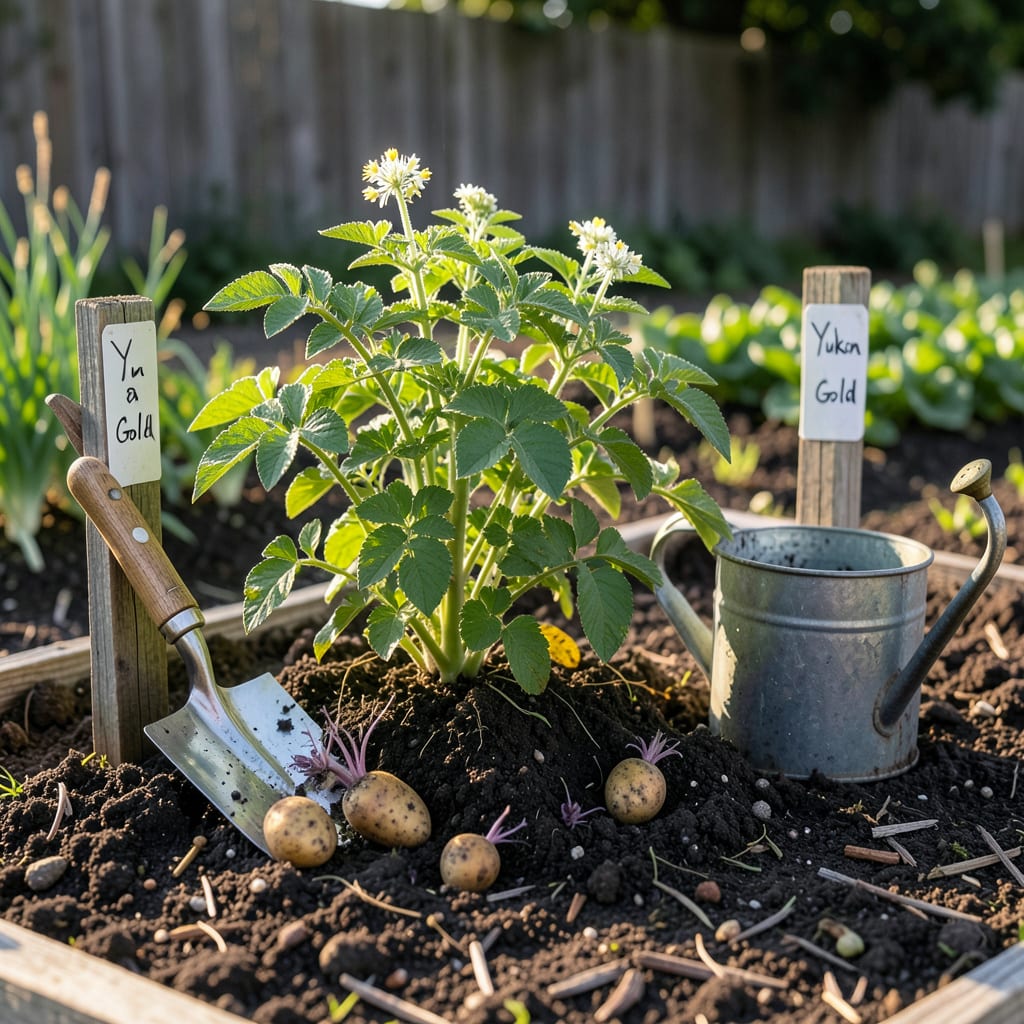
Timing your potato planting in North Carolina can mean the difference between a bountiful harvest and a disappointing one. The 45–55°F soil sweet spot is non-negotiable, but when exactly should you get those seed potatoes in the ground?
From the Coastal Plain’s early starts to the Mountains’ later windows, I’ll break down the precise schedule for your zone. Whether you’re growing Yukon Golds or Russets, you’ll learn how to sync with NC’s last frost dates—and avoid the 3 critical mistakes that sabotage most backyard crops.
If you’ve ever wondered why your neighbor’s potato patch thrives while yours struggles, the answer often comes down to perfect timing. North Carolina’s diverse climate—from the cool mountains to the warm coastal plains—means planting windows vary dramatically across the state. 🌱
Potatoes need soil temps above 45°F to sprout, but they’ll rot if planted in soggy winter ground. The key is balancing frost dates with soil readiness. In most of NC, that sweet spot hits between late February and early April, but your exact zone changes everything. 🌡️
| USDA Zone | Region | Planting Window | Last Frost Date |
|---|---|---|---|
| 5a-6a | Mountains | March 15–April 15 | May 1–May 15 |
| 6b-7a | Piedmont | Feb 20–March 30 | April 10–April 20 |
| 7b-8a | Coastal Plain | Feb 1–March 1 | March 15–March 30 |
| 8b | Outer Banks | Jan 20–Feb 15 | Feb 15–March 1 |
In the mountains (Zones 5a-6a), wait until mid-March to avoid late frosts. I’ve seen eager gardeners lose entire crops to a surprise April freeze. Use black plastic mulch to warm soil 2–3 weeks earlier if you’re itching to start. ☀️
The Piedmont (Zones 6b-7a) enjoys a longer window. Aim for late February to early March for first harvests by Memorial Day. Pro tip: Plant ‘Yukon Gold’ here—they tolerate Piedmont’s humidity better than russets. 🌿
Coastal gardeners (Zones 7b-8a) can start as early as February 1, but watch for excessive rain. Well-drained raised beds prevent rot. I recommend ‘Red Pontiac’ for its disease resistance in humid areas. 💧
For fall potatoes (yes, it’s possible!), plant 100–120 days before your first frost. In Raleigh (Zone 7b), that means late July to early August. Use fast-maturing varieties like ‘Norland’ (70 days). 🌱
Always test soil temp with a thermometer—50°F is ideal. Too cold? Potatoes stall. Too hot? They’ll grow misshapen. If your soil’s still chilly, lay clear plastic over the bed for a week to warm it up. 🌡️
Remember: St. Patrick’s Day is a classic rule of thumb for planting, but NC’s zones make that advice risky. In Asheville (Zone 6b), you’d wait 2 more weeks past March 17. When in doubt, check your local frost dates and soil temp! ✅
I’ve seen too many NC gardeners struggle with potato crops because of simple, avoidable errors. The biggest mistake? Planting in cold soil—potatoes need 50°F+ soil temps to thrive. If your soil feels chilly to the touch, wait or use black plastic mulch to warm it faster.
Another common pitfall is ignoring your soil pH. Potatoes prefer 5.0–6.0 pH, but many NC gardens lean acidic. A quick $10 soil test from your local extension office can save you from stunted growth or scab disease. Lime or sulfur adjustments are easy fixes.
Many gardeners also misjudge zone transitions. If you’re in the mountains (Zone 5-6), your last frost might be May 1—far later than the Coastal Plain (Zone 8), where April 1 is safe. Always check your local frost dates and adjust.
Here’s a quick fix for soggy soil: the jar drainage test. Fill a jar with garden soil, add water, and shake. If layers separate poorly, your soil needs compost or sand to improve drainage. Potatoes hate “wet feet,” so this step is non-negotiable.
Finally, don’t overlook variety selection. Planting a late-season Russet in the Piedmont’s heat? You’ll get small, stressed tubers. Stick to early-maturing ‘Yukon Gold’ or heat-tolerant ‘Red LaSoda’ for NC’s climate. Match your variety to your growing window.
One last pro tip: Hill your potatoes every 2 weeks to prevent greening. When foliage reaches 6 inches tall, mound soil around the stems. This protects tubers from sunlight and boosts yields. Simple, but it makes all the difference! 🌱
Choosing the right potato variety makes all the difference in North Carolina’s varied climate. Early-season varieties like ‘Yukon Gold’ thrive in the Coastal Plain, where warmer springs speed up growth. Meanwhile, ‘Kennebec’ handles the Piedmont’s humidity better than most.
For gardeners in the mountain regions, late-season varieties like ‘Russet’ or ‘German Butterball’ are ideal—they tolerate cooler nights and longer growing seasons. If you’re battling late blight, try disease-resistant ‘Defender’ or ‘Elba’.
| Variety | Days to Maturity | Best For | Key Trait |
|---|---|---|---|
| Yukon Gold | 70-90 | Coastal Plain | Early harvest, buttery flavor |
| Kennebec | 80-100 | Piedmont | Heat-tolerant, great for frying |
| Russet | 90-120 | Mountains | Long storage, drought-resistant |
| Defender | 85-100 | Statewide | Late blight resistance |
If you’re short on space, try ‘Red Pontiac’—it’s compact and perfect for containers or small gardens. For a fun twist, plant ‘Purple Majesty’; its vibrant color holds up well in NC’s heat, and kids love the novelty.
Pro tip: Pair early varieties with a succession planting schedule. Start ‘Yukon Gold’ in late February (Coastal) or early March (Piedmont), then follow with ‘Kennebec’ 3 weeks later. This staggers your harvest and extends fresh homegrown potatoes for months.
For storage, ‘Russet’ and ‘Kennebec’ are my top picks—they keep for 4-6 months in a cool, dark place. Avoid storing damaged tubers, as they’ll spoil faster. Label your varieties at planting to track performance year to year!
Remember, soil prep matters more than variety alone. Work in aged compost and aim for a pH of 5.0–6.0 before planting. A simple soil test kit from your local extension office takes the guesswork out of amendments. 🌱
Potatoes thrive when soil reaches 45–55°F. Use a soil thermometer to check at 4-inch depth in the morning. If it’s below 45°F, wait or warm the soil with black plastic mulch.
Use 5-gallon buckets or fabric grow bags with drainage holes. Fill with a mix of potting soil and compost, and ensure containers get 6+ hours of sun daily. Containers also help avoid soil-borne diseases.
For “new potatoes,” harvest 2–3 weeks after flowering. For mature tubers, wait until foliage turns yellow/brown and dies back. Gently dig a test potato—if the skin stays firm when rubbed, they’re ready!
Planting too early in cold, wet soil—this causes rot. Always check your local frost date and soil temp. Another error? Skipping hilling (mounding soil around stems), which boosts yields and prevents greening.
For humid areas like the Piedmont, try ‘Kennebec’ (heat-tolerant) or ‘Red LaSoda’ (disease-resistant). Coastal gardeners love ‘Yukon Gold’ for its early harvest and buttery flavor. Always match varieties to your growing window.
