
Beautiful Plants For Your Interior
Beautiful Plants For Your Interior
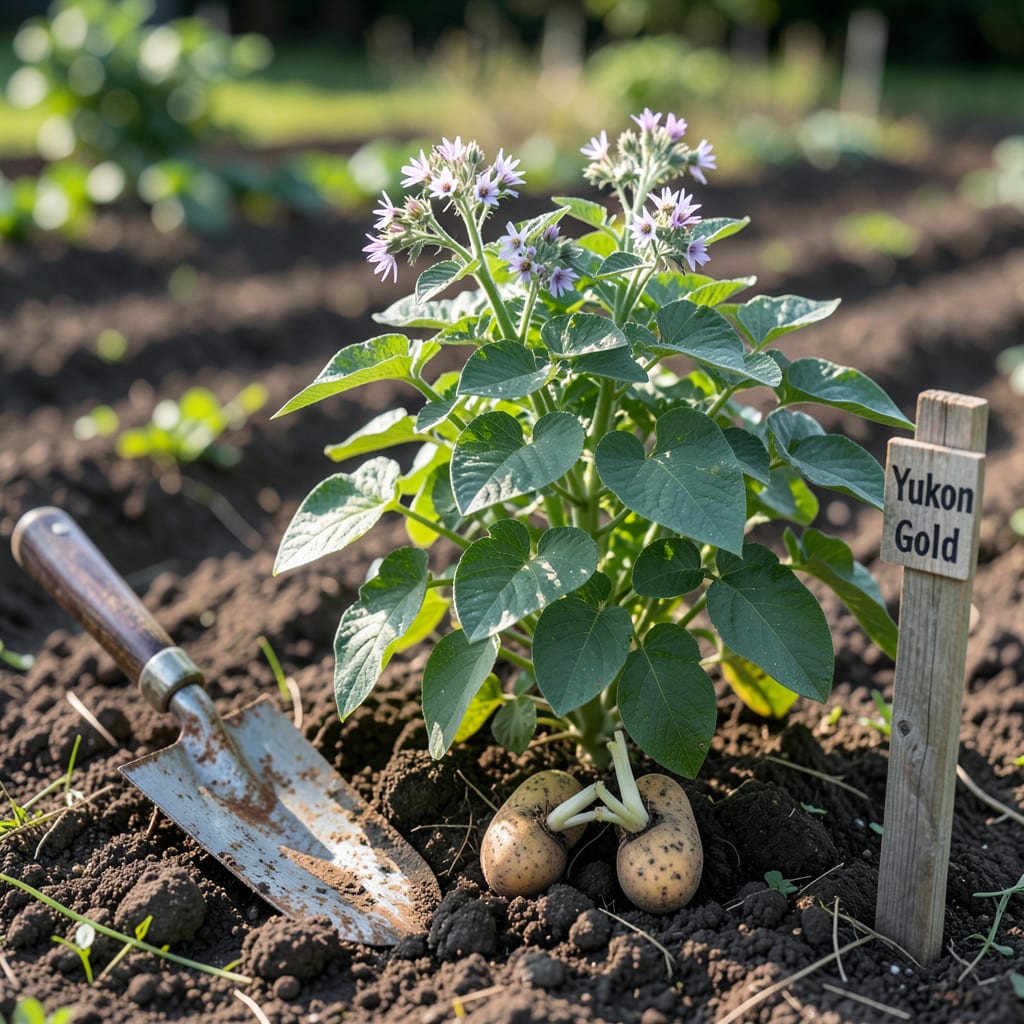
Timing your potato planting in Mississippi can mean the difference between a bountiful harvest and a disappointing yield. Plant too early, and unexpected frost might sabotage your efforts. Wait too long, and the sweltering summer heat could stunt your 🥔 Potato crop before it even gets started.
After years of testing and refining, I’ve nailed down the perfect window for Zone 8a gardeners. Whether you’re in the Delta or the Pine Belt, I’ll show you exactly when to get those seed potatoes in the ground—and how to set yourself up for the biggest, healthiest spuds of the season.
Mississippi’s diverse climate means your potato planting schedule varies dramatically depending on where you live. In the northern hills, you’ll plant later than gardeners in the coastal region, where winters are milder. The key is working around our last frost date—typically mid-March for most of the state.
For Zone 8a (which covers most of Mississippi), I recommend planting seed potatoes between late February and early April. But if you’re in the Delta region (Zone 9a), you can start as early as mid-February. Always check your soil temperature—it should be at least 45°F at 4-inch depth before planting.
| Region | USDA Zone | Planting Window | Last Frost Date | Harvest Window |
|---|---|---|---|---|
| Northern Hills | 7b-8a | March 1 – April 1 | March 15 | June 15 – July 30 |
| Central (Pine Belt) | 8a-8b | Feb 20 – March 20 | March 10 | June 1 – July 15 |
| Delta | 8b-9a | Feb 10 – March 10 | Feb 28 | May 20 – July 5 |
| Coastal | 9a | Feb 1 – Feb 28 | Feb 15 | May 15 – June 30 |
If you’re eager to get a head start, try pre-sprouting (chitting) your seed potatoes indoors 4-6 weeks before planting. This gives you a 2-week jump on the season. Just place them in a bright, cool spot until they develop ½-inch sprouts, then plant them carefully to avoid breaking those tender shoots.
For fall planting (yes, it’s possible in Mississippi!), aim for late August to early September in northern regions and early to mid-September in southern areas. Fall-planted potatoes need 10-12 weeks before the first frost, so choose fast-maturing varieties like ‘Yukon Gold’ (70-90 days) or ‘Red Norland’ (75 days).
Mississippi’s clay-heavy soils can be challenging for potatoes, which prefer loose, well-draining soil. I recommend amending your beds with 2-3 inches of compost or pine bark fines before planting. If drainage is poor, consider raised beds or containers—potatoes grow beautifully in 5-gallon buckets with drainage holes!
Watch the 10-day forecast before planting. If nighttime temps are still dipping below 32°F, hold off. Potatoes can tolerate a light frost, but hard freezes (below 28°F) will kill emerging sprouts. Use row covers or mulch heavily with straw if a late frost threatens after planting.
For successive harvests, stagger your plantings every 2-3 weeks. Plant your first batch in early March, then add more in late March and early April. This extends your harvest window and prevents gluts. Just remember: later plantings may need extra water as temperatures rise.
Mississippi State University Extension recommends avoiding overhead watering to prevent fungal diseases like early blight, which thrives in our humid summers. Instead, use soaker hoses or drip irrigation to keep foliage dry. Water 1 inch per week, increasing to 1.5 inches as tubers form.
Finally, don’t forget to hill your potatoes when plants reach 6 inches tall. Mound soil or mulch around the stems, leaving just the top few inches exposed. Repeat every 2-3 weeks. This protects developing tubers from sun greening and encourages higher yields. In Mississippi’s heat, I’ve found straw mulch works better than soil for hilling—it keeps tubers cooler.
Planting potatoes at the right time in Mississippi isn’t just about the calendar—it’s about what your soil conditions are telling you. Even if the date is perfect, your soil might not be. I’ve learned the hard way that rushing leads to rotten seed potatoes or weak sprouts.
First, check your soil temperature at 4-inch depth. Potatoes need at least 45°F consistently for 3-5 days. Use a simple meat thermometer (cleaned!) or a soil thermometer. In Mississippi, this usually happens 2-3 weeks after our last frost date.
Mississippi’s clay-heavy soils often stay wet longer after winter rains. A common mistake is planting right after a rainstorm when the top inch looks dry, but below is soggy. Stick your finger 4 inches deep—if it comes out with mud caked on, wait another week.
Watch for weed growth as a natural indicator. When winter weeds start growing actively, your soil is warming up. I start preparing my beds when I see chickweed or henbit taking off—this usually means soil temps are rising above that critical 45°F threshold.
If you’re planting in raised beds, your soil will warm up 2-3 weeks earlier than ground soil. Test these separately. I’ve had success planting raised bed potatoes in late February in Zone 8a, while my in-ground beds weren’t ready until mid-March.
Remember that potato varieties respond differently to soil conditions. Early varieties like ‘Yukon Gold’ can tolerate slightly cooler soils (40°F+), while maincrop varieties like ‘Kennebec’ need that full 45°F minimum. Adjust your testing based on what you’re planting.
Finally, don’t forget the sunshine factor. Potatoes need 6+ hours of direct sun daily. If your planting area is still shaded by winter-bare trees, wait until the sun angle rises higher—usually by mid-March in most of Mississippi. This ensures your plants get the light they need for strong early growth.
Not all potatoes thrive in Mississippi’s hot, humid summers and clay-heavy soils. After testing dozens of varieties, I’ve found the top performers that handle our climate while delivering big yields. The secret? Matching the maturity time to your planting window.
For early spring planting (February-March), fast-maturing varieties like ‘Yukon Gold’ (70-90 days) and ‘Red Norland’ (75 days) excel. These avoid the worst of summer’s heat. For fall planting, stick to ‘Kennebec’ (80 days) or ‘Red Pontiac’ (90 days)—they tolerate warmer soils better than late-season types.
| Variety | Days to Maturity | Best For | Planting Window | Heat Tolerance |
|---|---|---|---|---|
| Yukon Gold | 70-90 | Spring & Fall | Feb 15 – Mar 15 | Moderate ✅ |
| Red Norland | 75 | Early Spring | Feb 10 – Mar 10 | High ☀️ |
| Kennebec | 80 | Fall Planting | Aug 20 – Sep 10 | Very High ☀️☀️ |
| Red Pontiac | 90 | Spring & Fall | Feb 20 – Mar 20 | High ☀️ |
| Russian Banana | 100 | Spring Only | Mar 1 – Mar 20 | Low ❄️ |
For coastal Mississippi (Zone 9a), I adjust timing by 2-3 weeks earlier than central regions. Plant ‘Yukon Gold’ by February 1 and ‘Red Pontiac’ by February 15 to beat the heat. In the northern hills (Zone 7b), delay planting until March 10 to avoid late frosts.
Want a continuous harvest? Stagger plantings every 10-14 days using different maturity varieties. Start with ‘Red Norland’ in early March, follow with ‘Yukon Gold’ in late March, then add ‘Kennebec’ in early April. This gives you fresh potatoes from June through August.
Mississippi’s humidity makes fungal diseases like early blight a constant threat. Choose disease-resistant varieties like ‘Defender’ or ‘Elba’ if you’ve had issues before. Always space plants 12-15 inches apart for airflow and water at the base (never overhead) to keep foliage dry.
For container growing (great for our clay soils!), stick to ‘Yukon Gold’ or ‘Red Norland’. Use 5-gallon buckets with drainage holes, filled with a 50/50 mix of potting soil and compost. Plant 2 seed potatoes per bucket and keep in full sun. Container-grown spuds mature about 10 days faster than in-ground.
🥔Planting before soil reaches 45°F risks seed rot or frost damage. Mississippi’s unpredictable late freezes (especially in Zone 7b) can kill emerging sprouts. Coastal gardeners have more flexibility, but northern regions should wait until at least March 1.
Use 5-gallon buckets with drainage holes and a 50/50 mix of potting soil and compost. Plant 2 seed potatoes per container and keep in full sun. Container-grown spuds mature about 10 days faster than in-ground and avoid drainage issues.
Plant early-maturing varieties like ‘Yukon Gold’ by March 15 to harvest before peak heat. Use straw mulch to keep soil cool and maintain consistent moisture. In extreme heat, provide 30% shade cloth during afternoon hours.
Hill soil around plants every 2-3 weeks when they reach 6 inches tall. Use straw instead of soil in our humid climate to prevent rot. Feed with 10-10-10 fertilizer at planting, then side-dress with compost when plants flower.
Yes! Plant your first crop in February-March for summer harvest. For fall potatoes, plant August 20-September 10 using fast-maturing varieties like ‘Kennebec’. Fall crops need 10-12 frost-free weeks to mature.
