
Beautiful Plants For Your Interior
Beautiful Plants For Your Interior
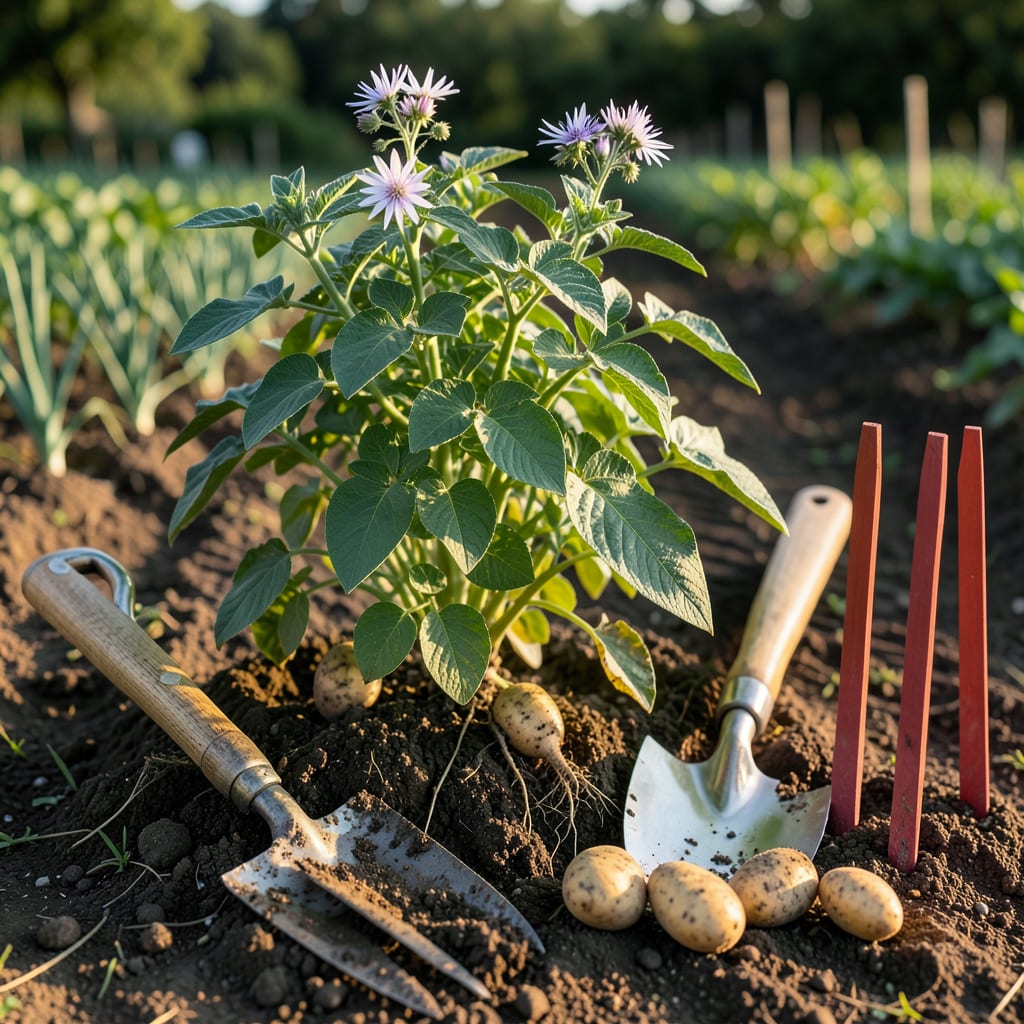
Minnesota’s short growing season makes timing everything when planting 🥔 potatoes. Plant too early, and a late frost could wipe out your crop. Wait too long, and you’ll be racing against the first fall chill to harvest.
After years of testing in zones 4a-4b, I’ve nailed the perfect window—one that balances soil warmth, frost risk, and variety needs. Here’s how to get it right, whether you’re in the Twin Cities or up north near Duluth.
If you’re wondering when to plant potatoes in Minnesota, timing is your secret weapon. Our state’s short growing season (just 140 frost-free days) means every day counts. Plant too early, and a late frost will wipe out your sprouts. Wait too long, and your tubers won’t mature before fall’s first chill.
Minnesota’s USDA zones 4a-4b demand precision. In the Twin Cities area, aim to plant 2-3 weeks before the last frost (around April 15–May 1). Up north near Duluth or Brainerd, push that window to late April–early May to avoid lingering cold snaps.
| Region | USDA Zone | Planting Window | Soil Temp | Last Frost Date |
|---|---|---|---|---|
| Twin Cities | 4b | April 15–May 1 | 45°F+ | May 10 |
| Rochester | 4b | April 20–May 5 | 45°F+ | May 8 |
| Duluth | 4a | April 25–May 10 | 45°F+ | May 15 |
| Northern MN | 3b-4a | May 1–May 15 | 45°F+ | May 20 |
Pro Tip: Use a soil thermometer to check temps at 4-inch depth—potatoes won’t grow in cold soil! 🌡️
For early varieties like Red Norland or Yukon Gold, you can push the envelope and plant 1-2 weeks earlier if you’re ready to cover plants with frost blankets or mulch. These varieties mature in just 60-70 days, perfect for Minnesota’s tight schedule.
If you’re growing maincrop potatoes (like Russets or Kennebecs), stick to the mid-April to early May window. These need 90-120 days to mature, so planting later than May 10 risks an unfinished harvest before frost.
Don’t forget soil prep! Minnesota’s heavy clay soils need amending. Work in 2-3 inches of compost and sand to improve drainage. I also recommend chitting your seed potatoes (letting them sprout indoors) 4-6 weeks before planting for a head start.
Watch the 10-day forecast before planting. If nighttime temps will dip below 32°F, hold off or be ready to protect emerging shoots with row covers or straw mulch. Potatoes can handle a light frost, but hard freezes will kill them.
For fall planting, it’s risky but possible in southern Minnesota. Plant early-maturing varieties by mid-August and hope for a warm September. Most years, though, our early October frosts make this a gamble not worth taking.
Once planted, keep soil evenly moist but not soggy. Hill soil around stems every 2-3 weeks to encourage tuber formation and prevent greening. In Minnesota’s humid summers, watch for blight—space plants 12-15 inches apart for airflow.
Mark your calendar: harvest time arrives when tops yellow and die back (usually late July–September). For “new potatoes”, you can dig carefully 2-3 weeks after flowering. Just be gentle—those tender skins bruise easily! ✂️
Even with perfect timing, some common mistakes can derail your Minnesota potato crop. After talking to dozens of local gardeners, I’ve seen the same three errors repeat year after year—often without growers even realizing they’re doing it.
First up: planting in cold, wet soil. Potatoes need soil temps above 45°F to sprout. If you rush planting when soil is still below 40°F, seeds may rot before they grow. Always use a soil thermometer—don’t guess! 🌡️
Minnesota’s heavy clay holds moisture, making it easy to plant too soon. Test soil by squeezing a handful—if it forms a tight ball, wait 3-5 days for drying. Potatoes planted in soggy soil often develop rot or poor root systems.
Second, many gardeners ignore variety maturity dates. Planting a 120-day Russet in northern Minnesota is asking for trouble—our 140-day season leaves no room for error. Stick to early varieties (60-80 days) like Yukon Gold or Red Norland for reliable harvests.
Third, skipping the hilling process costs yields. Potatoes form tubers along buried stems. If you don’t hill soil every 2-3 weeks, you’ll get smaller harvests and risk green, toxic potatoes exposed to sunlight. I use a hoe to mound soil 6-8 inches high around plants.
Bonus mistake: overwatering after flowering. While potatoes need consistent moisture early on, too much water late in the season causes tubers to crack or develop hollow heart. Reduce watering once plants flower, and stop entirely 2 weeks before harvest.
Finally, don’t overlook crop rotation. Planting potatoes in the same spot yearly invites disease and pests. Wait 3-4 years before replanting in the same area, or use containers with fresh soil each season. This simple step prevents blight and scab issues common in Minnesota’s humid summers. 🌱
Minnesota’s short growing season demands fast-maturing potato varieties that thrive in cool, humid summers. After testing dozens of types in my zone 4b garden, I’ve found the top performers that reliably produce heavy yields in just 60-90 days. 🌱
For early harvests, you can’t beat Yukon Gold. This buttery-yellow variety matures in 70-80 days and holds up well in storage. It’s my go-to for versatile cooking and consistently produces large, uniform tubers even in Minnesota’s unpredictable springs.
| Variety | Days to Maturity | Best For | Storage Life | Disease Resistance |
|---|---|---|---|---|
| Yukon Gold | 70-80 | Mashing, roasting | 3-4 months | Moderate scab resistance |
| Red Norland | 60-70 | Boiling, salads | 2-3 months | Excellent early blight resistance |
| Fingerling (Russian Banana) | 80-90 | Roasting, grilling | 4-5 months | Good scab resistance |
| Caribe (Purple) | 70-80 | Baking, color retention | 3-4 months | Moderate resistance |
| Norland Red | 60-70 | All-purpose | 2-3 months | High early blight resistance |
Pro Tip: For northern Minnesota gardens, stick to varieties under 80 days to ensure full maturity before frost. The highlighted varieties perform best in our climate! ☀️
Red Norland is another superstar for Minnesota. Ready in just 60-70 days, it’s perfect for early planting and produces smooth, red-skinned tubers that hold their shape when boiled. I love this variety for potato salads and it stores reasonably well for an early type.
For something unique, try Russian Banana fingerlings. These heirloom potatoes take 80-90 days but reward you with nutty flavor and excellent storage potential. Their elongated shape makes them perfect for roasting or grilling. Just be sure to plant them by early May in northern areas.
If you’re dealing with heavy clay soil common in Minnesota, Caribe purple potatoes are surprisingly resilient. Their deep color indicates high antioxidants, and they mature in 70-80 days. The vibrant hue holds well when cooked, making them a garden conversation piece.
Remember, seed quality matters. Always buy certified disease-free seed potatoes from reputable suppliers. I’ve had the best luck with local Minnesota growers who select varieties adapted to our climate. Avoid grocery store potatoes—they’re often treated to prevent sprouting and may carry diseases. 🪴
Potatoes planted in soil below 45°F often rot before sprouting. Minnesota’s clay holds cold, so use a soil thermometer to check temps at 4-inch depth. If soil forms a tight ball when squeezed, wait 3-5 days for drying. Patience prevents lost crops!
Use 5-gallon buckets or fabric grow bags with drainage holes. Fill with 1/3 compost and 2/3 potting mix, then add more soil as plants grow. Containers warm faster in spring, giving you a 1-2 week head start over ground planting.
Cover plants with frost blankets or 5-gallon buckets overnight when temps dip below 32°F. Remove coverings by 10 AM to prevent heat buildup. For unexpected freezes, mound extra soil or mulch around stems to insulate roots.
Small tubers usually mean overcrowding or poor hilling. Space seed pieces 12 inches apart in rows 3 feet apart. Hill soil around stems every 2-3 weeks until mounds reach 6-8 inches tall. This encourages more tuber formation along the buried stem.
In southern Minnesota, you can try planting early varieties (like Red Norland) by mid-August. Use container gardening to extend the season. North of the Twin Cities, skip it—our early October frosts make success unlikely. Focus on a strong spring crop instead.
