
Beautiful Plants For Your Interior
Beautiful Plants For Your Interior
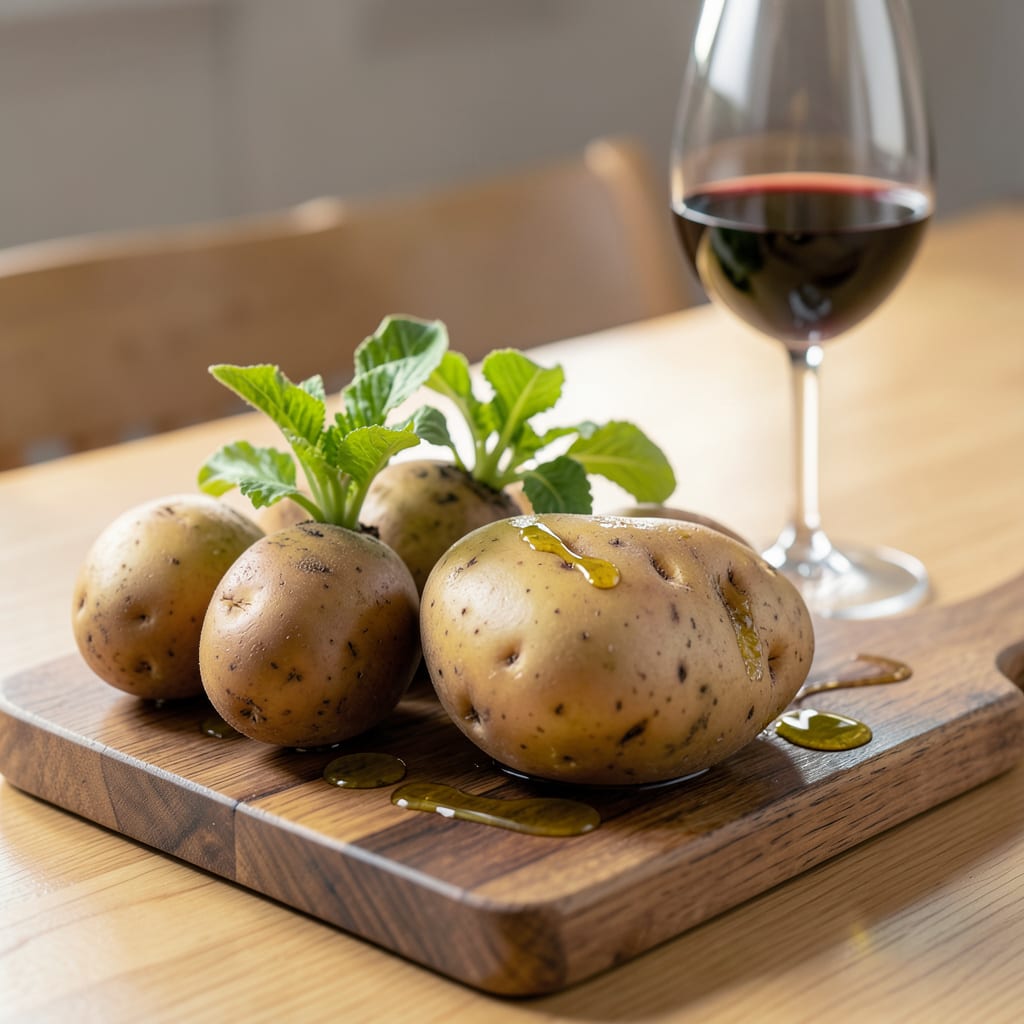
Michigan’s climate can be challenging for growing potatoes 🥔, but with the right timing, you’ll enjoy a bountiful harvest. The key is understanding when to plant – typically 2-4 weeks before the last frost date in early spring.
For Michigan gardeners, this means planting potatoes in early April when soil temperature reaches around 40-50°F. By getting the timing right, you’ll be on your way to harvesting delicious potatoes come summer.
Ideal Time
Also Good
Michigan’s climate presents unique challenges for potato cultivation, but understanding the ideal planting time can lead to a successful harvest. The key factors to consider are frost dates, soil temperature, and regional variations.
Potatoes thrive in cool weather, making early spring the perfect time to plant in Michigan. The ideal soil temperature for planting potatoes is between 40-50°F, which typically occurs in early April 🌼.
Understanding Michigan’s frost dates is crucial for determining the best planting time. The last frost date varies across the state, typically falling between late April and early May. Planting potatoes 2-4 weeks before this date allows them to establish themselves before the weather warms up 🌞.
Michigan’s USDA zones range from 4 to 6, indicating cold winters and moderate summers. This climate is well-suited for potato cultivation, as potatoes prefer cooler temperatures and can tolerate some frost. By planting at the right time, you can take advantage of Michigan’s long growing season and enjoy a bountiful harvest 🥔.
Regional variations in climate and soil conditions can affect the ideal planting time. In general, the Lower Peninsula has a slightly longer growing season than the Upper Peninsula. However, both regions can support successful potato crops with proper planning and timing 📅.
To ensure a successful harvest, it’s essential to monitor soil temperature and adjust your planting schedule accordingly. You can use a soil thermometer to check the temperature at a depth of 4-6 inches. By combining this information with frost date data and regional climate considerations, you can determine the optimal time to plant potatoes in your specific area 🌡️.
In addition to timing, soil preparation plays a critical role in potato cultivation. Michigan gardeners should focus on creating a well-draining, loose soil with a pH between 4.5 and 7.0. Adding organic matter like compost can help improve soil structure and fertility 🌿.
When selecting potato varieties, choose ones that are well-suited to Michigan’s climate and mature within the available growing season. Popular varieties for the region include ‘Yukon Gold’ and ‘Russet’, which offer excellent flavor and disease resistance 🥔.
By understanding the best time to plant potatoes in Michigan and preparing your garden accordingly, you’ll be well on your way to a successful harvest. With careful planning and attention to detail, you can enjoy a bountiful crop of delicious, homegrown potatoes 🌼.
For more specific guidance tailored to your region, consider consulting with local gardening experts or checking resources from Michigan State University Extension. They can provide valuable insights into the best practices for potato cultivation in your area 📚.
Successful potato cultivation in Michigan begins with proper soil preparation and selecting the right potato variety. By focusing on these key elements, you’ll create an optimal environment for your potato crop to thrive 🌼.
First, let’s examine the essential soil preparation techniques for Michigan gardeners. The ideal soil for potatoes is well-draining and loose, with a pH between 4.5 and 7.0. To achieve this, you can incorporate organic matter like compost or well-rotted manure into your garden bed 🌿.
Next, choosing the right potato variety is crucial for success in Michigan’s climate. Look for varieties that mature within the available growing season and offer disease resistance. Popular choices for Michigan gardeners include ‘Yukon Gold’ and ‘Russet’ potatoes 🥔.
When preparing your garden bed, consider creating raised rows or mounds to improve drainage and soil warming. This technique is particularly beneficial in Michigan’s cooler spring climate, as it allows the soil to warm more quickly and promotes healthy tuber development 🌞.
By combining proper soil preparation with the right potato variety, you’ll be well on your way to a successful harvest.
For additional guidance on potato cultivation in Michigan, consider consulting resources from Michigan State University Extension. They offer valuable insights and region-specific advice to help you optimize your potato crop 📚.
With careful planning and attention to detail, you’ll be enjoying a bountiful harvest of delicious, homegrown potatoes in no time. Happy gardening! 🌼
Michigan’s diverse climate requires regional considerations for optimal potato planting. The state’s Upper and Lower Peninsulas have different growing conditions that affect planting timing 🌟.
In Michigan’s Upper Peninsula, the growing season is typically shorter and cooler. Gardeners should plant potatoes as soon as the soil can be worked in late April to early May. The colder climate means potatoes will mature later in the summer ⏰.
For Upper Peninsula gardeners, consider using cold-hardy potato varieties to maximize your harvest potential.
The Lower Peninsula has a slightly longer growing season, allowing for earlier planting in early to mid-April. However, gardeners should still be mindful of local frost dates and soil temperature 📅.
Microclimate considerations are also crucial for successful potato cultivation. Factors such as elevation, soil type, and proximity to large bodies of water can all impact the ideal planting time. Gardeners should observe their specific microclimate and adjust their planting schedule accordingly 🌿.
By understanding these regional variations and adapting your planting strategy, you’ll be better equipped to achieve a bountiful potato harvest in Michigan. Whether you’re in the Upper or Lower Peninsula, careful planning and attention to local conditions will help ensure your success 🌼.
The ideal soil temperature for planting potatoes is between 40-50°F, which typically occurs in early April in Michigan. This temperature range supports healthy tuber formation and helps prevent rot. Using a soil thermometer can help you determine the exact temperature.
Potatoes are ready to harvest when the plants start to yellow and die back, usually 70-120 days after planting. Check for maturity by carefully digging around the plants with a fork. The tubers should be fully formed and have a firm skin.
Yes, you can plant potatoes in Michigan’s Upper Peninsula, but the cooler and shorter growing season requires careful planning. Plant as soon as the soil can be worked in late April to early May, and consider using cold-hardy potato varieties for better results.
Potatoes need consistent moisture, especially when they’re producing tubers. Water them every 7-10 days, providing about 1-2 inches of water per week. Adjust based on weather conditions to prevent overwatering.
