
Beautiful Plants For Your Interior
Beautiful Plants For Your Interior
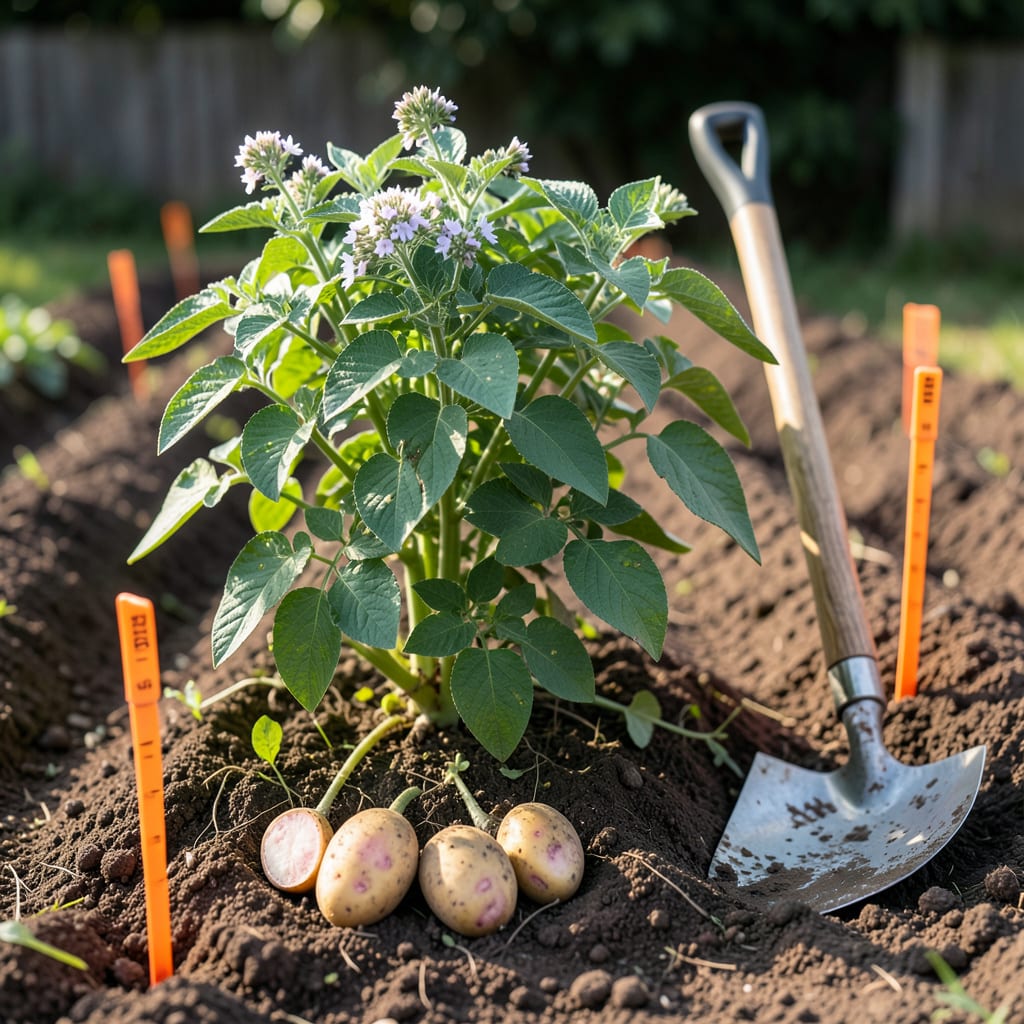
Timing your potato planting in Maryland can make or break your harvest. Plant too early, and a late frost might wipe out your crop. Wait too long, and you’ll miss the best growing window for those perfect, homegrown spuds.
After years of testing and tweaking, I’ve nailed down the ideal planting schedule for Maryland’s climate. Whether you’re in the coastal plains or the Piedmont region, I’ll show you exactly when to get those 🥔 in the ground—and why it matters more than you think.
If you’re eager to grow potatoes in Maryland, timing is your secret weapon. Our state’s USDA zones 6b–8a offer two prime windows: early spring for summer harvests and late summer for fall potatoes. The key? Working around Maryland’s last frost date (April 10–30). 🌱
Soil temperature is your best guide—45–55°F is the sweet spot. Too cold, and seeds rot; too hot, and tubers struggle. I’ll break down the exact timing for each region, from the coastal plains to the Piedmont foothills, so you can plant with confidence. ☀️
| Planting Window | Ideal Months | Soil Temp | Harvest Time | Best For |
|---|---|---|---|---|
| Early Spring | March 15–April 10 | 45–55°F | June–July | Summer feasts, storage |
| Late Summer | July 15–August 15 | 50–60°F | October–November | Fall harvests, winter storage |
For spring planting, aim to get seed potatoes in the ground 2–3 weeks before your last frost. In Zone 7a (Baltimore, Annapolis), that’s around March 20–April 5. Use a soil thermometer to confirm temps—don’t guess! Cold soil delays sprouting. 🌡️
If you miss the spring window, don’t worry. A late-summer planting (July–early August) works beautifully for fall potatoes. Just ensure you pick fast-maturing varieties like ‘Yukon Gold’ (70–90 days) or ‘Red Norland’ (80 days) to beat the first frost. ✂️
Maryland’s regional microclimates matter. Gardeners in eastern shore areas (Zone 8a) can plant 10–14 days earlier than those in the Appalachian foothills (Zone 6b). Check your local frost dates via the University of Maryland Extension for precision. 📌
Want to extend your season? Try pre-sprouting (chitting) your seed potatoes. Place them in a bright, cool spot (60–65°F) 4–6 weeks before planting. This gives them a head start and can shave 10–14 days off your grow time. I’ve found this especially helpful for late plantings! 🌿
Remember, soil prep is just as critical as timing. Potatoes thrive in loose, well-draining soil with a pH of 5.0–6.5. Work in 2–3 inches of compost or aged manure before planting, and avoid heavy clay—it causes misshapen tubers. Test your soil with a DIY kit or send a sample to UMD’s lab. 💧
Watch for Colorado potato beetles, Maryland’s #1 potato pest. They emerge in late May, so scout plants weekly. Handpick adults and larvae, or use neem oil for organic control. Crop rotation helps too—never plant potatoes in the same spot two years in a row. 🪲
For container growers, timing stays the same, but monitor moisture closely. Pots dry out faster than garden beds. Use a lightweight potting mix with added perlite, and ensure containers are at least 12 inches deep. ‘Fingerling’ varieties do especially well in pots! 🪴
Planting potatoes in Maryland isn’t just about timing—it’s about nailing five critical factors that can make or break your harvest. From soil prep to pest control, each element plays a role in how well your spuds thrive. Let’s dive into what really matters beyond the calendar. 🌱
First up: soil conditions. Potatoes despise compacted or waterlogged soil, which leads to rot and misshapen tubers. Aim for loamy, well-draining soil with a pH of 5.0–6.5. If your soil is heavy clay, amend it with compost or sand before planting. A simple DIY soil test can save you headaches later. 💧
Variety selection is your next game-changer. Not all potatoes thrive equally in Maryland’s climate. For spring planting, fast-maturing varieties like ‘Yukon Gold’ (70–90 days) or ‘Red Norland’ (80 days) are ideal. For late-summer plantings, opt for ‘Kennebec’ (90–110 days) or ‘German Butterball’ for storage. 🌻
Watering and sunlight go hand-in-hand. Potatoes need 6–8 hours of direct sun daily and consistent moisture—especially during tuber formation. Aim for 1–2 inches of water per week, but let the soil dry slightly between waterings to prevent rot. Drip irrigation works best to keep foliage dry and reduce disease risk. ☀️
Pests and diseases can derail even the best-planned crop. Maryland’s Colorado potato beetles are notorious. Scout plants weekly starting in late May, and remove eggs/larvae by hand. For organic control, spray neem oil or introduce beneficial insects like ladybugs. Crop rotation is non-negotiable—never plant potatoes in the same spot two years in a row! 🪲
Finally, don’t skip hilling—it’s the secret to bigger yields. When potato plants reach 6 inches tall, mound soil around the stems, leaving just the top few inches exposed. Repeat every 2–3 weeks until flowering. This prevents tuber greening (toxic!) and encourages more spuds to form. I’ve seen yields double with this simple step! 🪴
Bonus tip: Companion planting can boost your success. Grow potatoes with beans (fix nitrogen), corn (provides shade), or marigolds (repel pests). Avoid planting near tomatoes, peppers, or eggplants—they share diseases like blight. A little planning goes a long way! 🌼
Choosing between spring and late-summer planting in Maryland isn’t just about timing—it’s about your goals. Spring planting offers a longer growing season but comes with more pest pressure. Late summer means fewer bugs but a tighter harvest window before frost. 🌱
Let’s compare the two head-to-head. I’ve grown potatoes both ways, and each season has distinct advantages. If you want maximum yield for storage, spring is your best bet. Prefer a smaller, pest-free crop for fall meals? Late summer wins. The key is matching your planting time to your harvest goals. ☀️
Spring-planted potatoes give you bigger yields because they have more time to size up. I’ve pulled 5–10 lbs per plant from spring crops, while late-summer plantings average 2–5 lbs. But late summer has its perks: fewer Colorado potato beetles (they peak in June) and cooler harvest temps, which means less stress on tubers. 🪲
For storage potatoes, spring is the clear winner. Varieties like ‘Kennebec’ or ‘Russet’ need 100+ days to mature fully, and spring planting gives them that time. Late-summer crops are better for “new” potatoes—harvested young for tender skin and buttery flavor. Try ‘Yukon Gold’ or ‘Red Pontiac’ for these. ✂️
Here’s my rule of thumb: If you want to store potatoes for winter, plant in spring. If you’re after fresh harvests for fall meals, go for late summer. And if you’re really ambitious? Do both! Stagger your plantings for a continuous supply. I’ve had fresh homegrown potatoes from July through November using this trick. 🌿
One final tip: Late-summer plantings need extra attention to soil moisture. August can be dry, so mulch heavily with straw or shredded leaves to retain water. And if you’re planting in containers, move them to partial shade during heatwaves to prevent soil temps from climbing above 80°F. 💧
Potatoes thrive when soil reaches 45–55°F. Use a soil thermometer to check—planting in colder soil risks rot, while warmer temps can stress tubers. In Maryland, this typically aligns with mid-March to early April for spring planting.
Choose containers at least 12 inches deep with drainage holes. Use a lightweight potting mix, and monitor moisture closely—pots dry out faster than garden beds. ‘Fingerling’ varieties perform especially well in containers.
Maryland’s Colorado potato beetles are the biggest threat. Handpick adults and larvae weekly, or use neem oil for organic control. Plant marigolds nearby to repel pests, and rotate crops yearly to break pest cycles.
Spring planting (March–April) offers a longer season for higher yields but faces more pests. Summer planting (July–August) has fewer bugs but a tighter harvest window before frost. Choose based on your goals: storage vs. fresh eating.
For “new” potatoes, harvest when plants flower. For storage potatoes, wait until foliage yellows and dies back. Test readiness by gently digging—if skins are firm and don’t rub off, they’re ready!
