
Beautiful Plants For Your Interior
Beautiful Plants For Your Interior
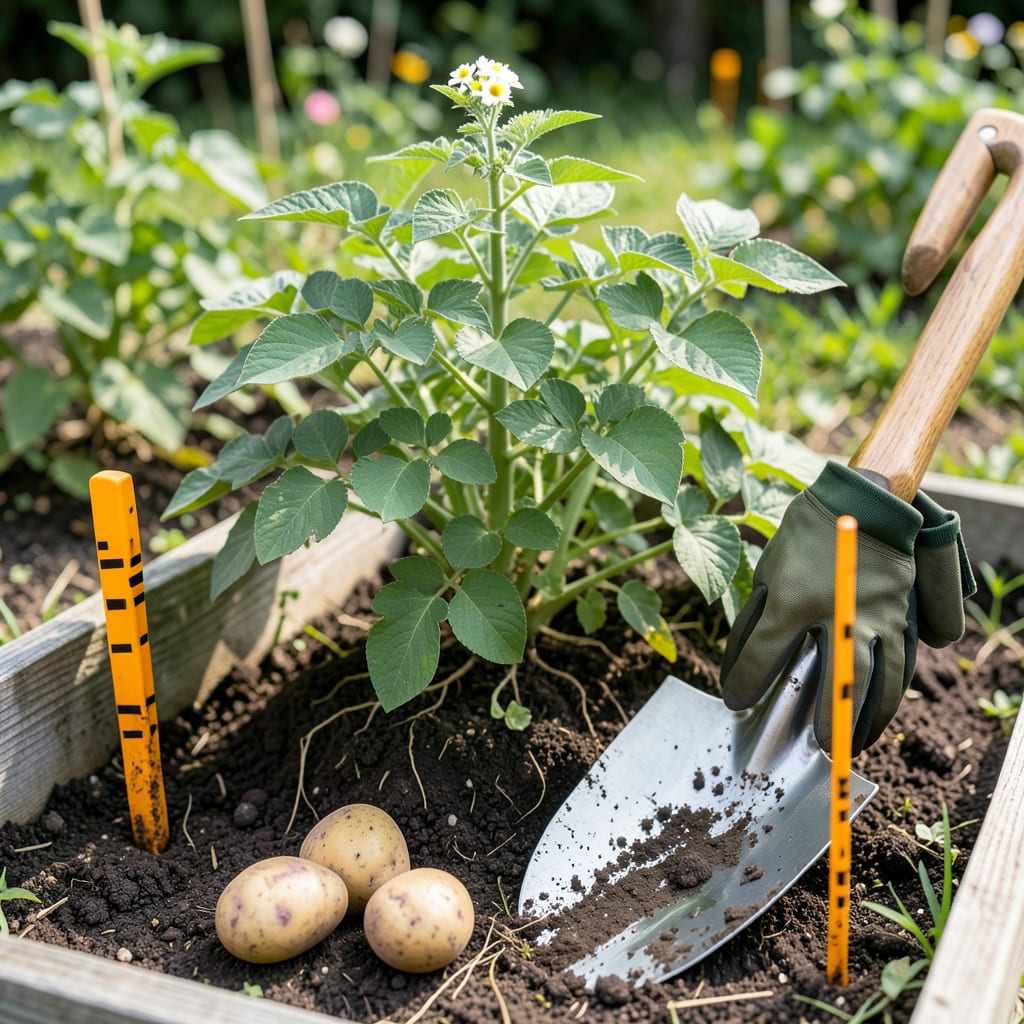
Maine’s short growing season makes timing everything when planting 🥔 potatoes. Plant too early, and late frosts could wipe out your crop. Wait too long, and you’ll miss the harvest window before fall’s first chill arrives.
After years of testing what works in Zone 4b, I’ve nailed the perfect schedule for Maine gardeners. Whether you’re in coastal York County or the frosty reaches of Aroostook, I’ll show you exactly when to get those seed potatoes in the ground for a bumper crop.
Maine’s unpredictable springs demand precision when planting 🥔 potatoes. In southern Maine (Zone 5b), you can start as early as mid-April, while northern regions (Zone 3-4) should wait until early May. The key? Soil temperature must hit 45°F—use a thermometer to check!
Coastal areas like Portland warm up faster thanks to ocean influence, but inland spots (Bangork, Aroostook) stay cooler longer. I always recommend chitting seed potatoes 4-6 weeks before planting to give them a head start in our short season. Early varieties like ‘Yukon Gold’ thrive here.
For early-season potatoes (70-90 days), plant 2-3 weeks before your last frost. Mid-season (90-110 days) and late-season (110+ days) need warmer soil—wait until after Mother’s Day in most areas. Pro tip: Cover newly planted rows with black plastic mulch to warm soil faster.
Maine’s short growing season (150 frost-free days) means succession planting is tricky. Focus on fast-maturing varieties or use row covers to extend the season. In Aroostook County, some growers even plant in late June for a small fall crop—risky but possible!
Soil prep matters too. Aim for pH 5.0–6.5 and work in aged compost before planting. Avoid fresh manure—it can cause scab. I test my soil every spring; Maine’s natural acidity often needs lime adjustments for optimal potato growth.
Watch for wireworms (common in former grassy areas) and late blight (especially in humid summers). Rotate crops yearly—never plant potatoes where tomatoes, peppers, or eggplants grew the previous season. This simple step prevents disease buildup in our cool, moist climate.
If you’re planting seed pieces (cut tubers), let them heal for 2-3 days before planting. Space them 12–15 inches apart in rows 30 inches wide. Deeper planting (6 inches) helps protect against late frosts, but don’t exceed 8 inches—tubers need room to expand.
For container growers, start 2-3 weeks earlier than in-ground planting. Use well-draining potting mix and keep containers in full sun. Maine’s cool nights actually help containers stay moist longer, but watch for overwatering—soggy soil invites rot.
Remember: Maine’s potato success hinges on timing. Plant too early, and frost kills sprouts. Plant too late, and tubers won’t mature before fall. When in doubt, check your local Extension Office for hyper-local frost data—it’s the Maine gardener’s secret weapon! 🌱
Getting potatoes off to a strong start in Maine’s cool climate requires careful preparation. I always begin by testing soil pH—potatoes thrive in 5.0–6.5 range. If your soil is too acidic (common in Maine), add garden lime 2–3 weeks before planting.
Next, chit your seed potatoes 4–6 weeks ahead by placing them in a bright, cool spot (50–60°F). This encourages sturdy sprouts. For faster growth, cut larger tubers into 2-inch pieces with at least one eye each, then let them heal for 2–3 days before planting.
For container planting, use a well-draining mix (50% potting soil, 50% compost) and ensure containers are at least 12″ deep. Maine’s cool nights help containers retain moisture, but check soil daily—overwatering causes rot faster than drought.
Maine’s short season means fertilizing smartly. At planting, I use a 5-10-10 fertilizer (1 cup per 10 sq ft). Avoid high-nitrogen mixes—they promote leafy growth over tubers. When plants flower, side-dress with compost tea for a potassium boost.
Watch for pests like wireworms (common in former lawns) and late blight (especially in humid summers). Rotate crops yearly—never plant where tomatoes or peppers grew last season. For organic control, I use diatomaceous earth for pests and copper spray for blight.
Harvest when foliage yellows (usually 90–120 days after planting). Use a fork to gently lift tubers, then cure them in a dark, humid spot (60°F) for 10 days before storage. Proper curing prevents rot during Maine’s damp falls. ✅
Even experienced Maine gardeners can sabotage their potato harvest with simple oversights. The short growing season leaves no room for error—especially when it comes to timing, soil prep, and pest control. Here are the five most costly mistakes I see in Maine gardens every year.
First, planting too early in cold, wet soil. Maine’s April showers and lingering frosts can rot seed potatoes before they even sprout. Always wait until soil reaches 45°F—I use a cheap thermometer to check. Coastal gardeners might plant in mid-April, but inland areas should wait until early May.
Skipping crop rotation is another silent yield-killer. Potatoes share diseases with tomatoes, peppers, and eggplants. I rotate my potato beds on a 4-year cycle to prevent soil-borne issues like late blight, which thrives in Maine’s humid summers. If space is tight, try container growing with fresh potting mix each year.
Overcrowding plants might seem efficient, but it leads to small, misshapen tubers. Give each plant 12-15 inches of space in rows 30 inches apart. This spacing allows for proper hilling (piling soil around stems), which protects tubers from greening and increases yield. I use a hoe to hill every 2-3 weeks until plants flower.
Maine’s wireworm population can devastate a potato crop. These pests (click beetle larvae) tunnel into tubers, leaving them riddled with holes. I combat them by tilling the soil in fall to expose larvae to birds, then applying beneficial nematodes in spring. Avoid planting potatoes where grass or sod grew the previous year—wireworms love former lawns!
Finally, harvesting too early means missing out on full-sized potatoes. Wait until foliage yellows and dies back (usually 90-120 days after planting). For “new potatoes,” you can gently dig around plants 2-3 weeks after flowering, but leave the rest to mature. After harvest, cure tubers in a dark, humid spot for 10 days to toughen skins for storage. 🌱
Coastal areas like Portland can plant as early as mid-April, but inland southern regions should wait until late April. Always check soil temperature—it must reach 45°F before planting.
Use a soil thermometer at 6–8 inches deep in the morning. If it reads below 45°F, wait a few days and test again. Cold soil causes seed potatoes to rot instead of sprout.
Yes! Containers warm up faster than garden soil. Start 2–3 weeks earlier than in-ground planting, but keep containers in a sheltered spot if nighttime temps drop below 40°F.
Late planting risks tubers not maturing before fall frosts. In Aroostook County, aim to plant by mid-May for a full harvest. Late June plantings may yield small, immature potatoes.
Early varieties like ‘Yukon Gold’ can go in 2–3 weeks before last frost, while late-season types (e.g., ‘Russet Burbank’) need warmer soil—wait until after Mother’s Day in most areas.
