
Beautiful Plants For Your Interior
Beautiful Plants For Your Interior
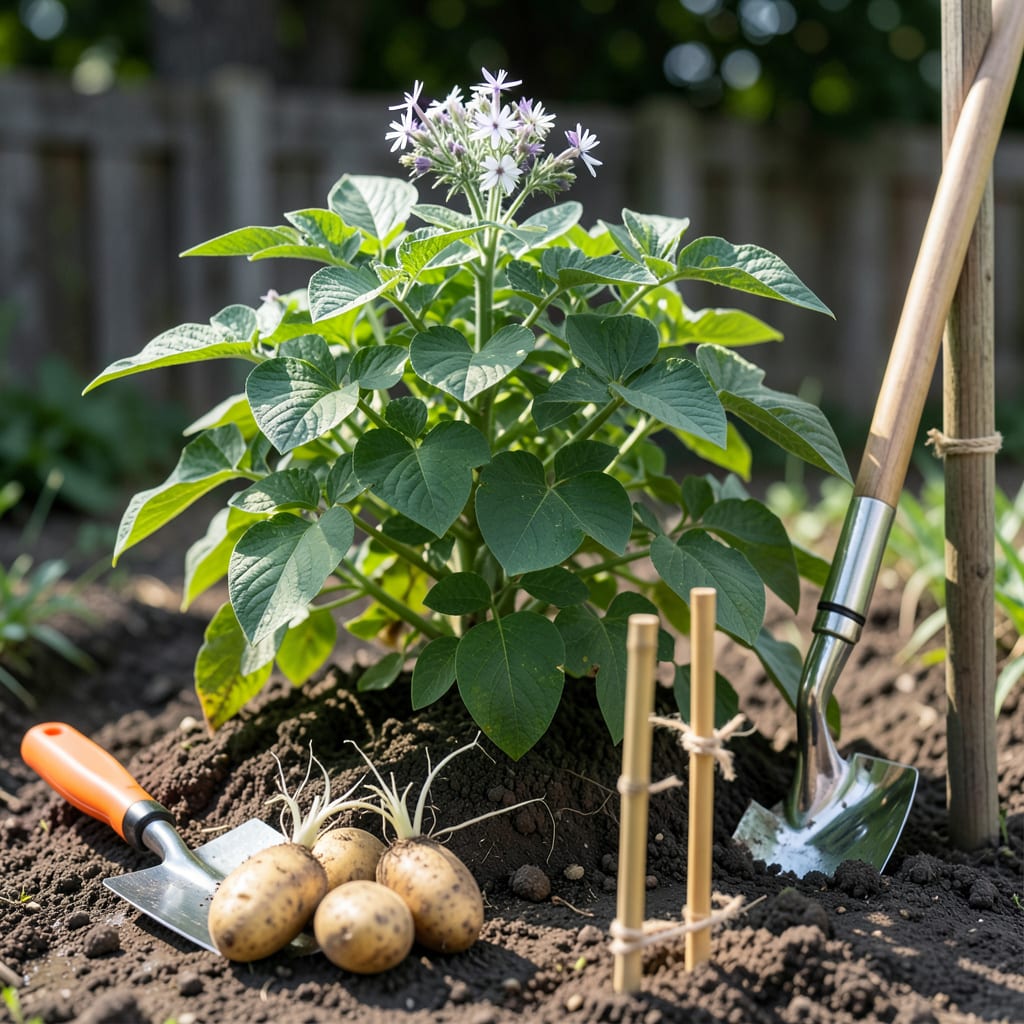
Timing your potato planting in Kentucky can make or break your harvest. I’ve seen gardeners struggle with scrawny spuds simply because they planted too early or too late—don’t let that be you.
The difference between a mediocre yield and a bumper crop often comes down to a few key weeks. Whether you’re in the Bluegrass or the western plains, I’ll show you exactly when to get those 🥔 in the ground for bigger, healthier potatoes this season.
If you’ve ever wondered why your neighbor’s potato patch looks like a gold mine while yours resembles a marble collection, timing is likely the culprit. Kentucky’s diverse climate means what works in Paducah won’t always fly in Pikeville. Let’s break down the perfect planting windows for your region.
In Kentucky, you’ve got two prime planting seasons: early spring (for summer harvests) and late summer (for fall harvests). The key is working around our last frost date—usually mid-April for most of the state—and ensuring your soil hits that 45°F sweet spot. 🥔
| Region | Spring Planting | Fall Planting | Last Frost Date |
|---|---|---|---|
| Eastern KY (Mountains) |
Late March–Early April Soil warms slower |
Mid-August Harvest before Oct frost |
April 20–30 |
| Central KY (Lexington/Louisville) |
Mid-March Ideal for early varieties |
Early August Beat the heat |
April 10–20 |
| Western KY (Paducah/Hopkinsville) |
Late February–Early March Warmer soils earlier |
Late July Longer growing season |
April 1–10 |
Pro Tip: Use the UK Cooperative Extension’s frost tool to pinpoint your exact dates.
Western Kentucky gardeners get a head start thanks to milder winters, while Eastern KY’s higher elevations mean you’ll need to wait a bit longer. If you’re in Central KY, aim for St. Patrick’s Day as your planting cue—it’s a local rule of thumb for a reason!
For spring planting, I always recommend getting seed potatoes in the ground 2–4 weeks before your last frost. This gives them time to establish before warm weather hits. If you’re planting in fall, count backward from your first frost date (around October 15 for most of KY) to ensure a full growing season.
Soil temperature is your best friend here. Potatoes won’t grow in cold, wet soil—they’ll just rot. Grab a soil thermometer (or use the “barefoot test”: if the soil feels chilly to your feet, it’s too cold for spuds). Aim for 45–50°F at 4 inches deep. ☀️
If you’re in Western KY, watch out for early heatwaves in late spring. Potatoes stop forming tubers when temps hit 80°F, so plant early or provide afternoon shade. Eastern KY gardeners, your bigger challenge is late frosts—keep row covers handy just in case.
For a summer harvest, plant in early spring. For a fall harvest, plant in late summer. And if you’re feeling ambitious, try a succession planting: put in early varieties in March and late varieties in August for two harvests in one year! 🌱
Remember, Kentucky’s clay-heavy soils can be tricky. If your soil stays soggy, consider raised beds or hilled rows to improve drainage. Potatoes hate “wet feet,” and our spring rains can be relentless. A little sand or compost mixed in goes a long way.
Finally, keep an eye on the 10-day forecast before planting. If a cold snap is coming, hold off. Potatoes can handle a light frost, but prolonged cold will set them back. When in doubt, wait a week—your patience will pay off in bigger, healthier tubers! ✂️
Kentucky’s soil can be tricky—too wet in spring, too dry in summer. I’ve learned the hard way that planting potatoes at the wrong time leads to rot or stunted growth. Before you dig, check these three key signs your soil is truly ready for those seed potatoes.
The barefoot test is my go-to for soil temp: if you can stand barefoot on the soil for 10 seconds without discomfort, it’s likely above 45°F. For Kentucky’s clay-heavy regions, this usually happens in late February to early March—but always verify with a thermometer.
⚠️ Avoid planting if soil sticks to tools—it’s too wet!
Western KY gardeners, watch out for waterlogged clay—it’s the #1 killer of young potato plants. If your soil stays soggy after rain, plant in raised beds or mounds. I lost an entire crop once by ignoring this; now I test drainage by digging a 1-foot hole and filling it with water. If it drains in under 2 hours, you’re good.
Timing matters just as much as soil prep. In Eastern KY’s mountains, wait until mid-March to avoid late frosts. Central KY (Lexington/Louisville) can plant late February, while Western KY’s warmer microclimate allows early February planting. Always check your local frost date—UK Extension’s tool is my favorite resource.
Here’s a pro tip: Pre-sprout your seed potatoes 2-3 weeks before planting. Place them in a bright, cool spot (like a sunny windowsill) until they develop ½-inch sprouts. This gives you a 2-week head start on the growing season, crucial for KY’s shorter springs.
Finally, don’t forget the Colorado potato beetle—KY’s most notorious spud pest. If you’re planting early, have row covers ready. I’ve found that straw mulch also deters them while keeping soil moist. Now grab those seed potatoes and get planting—your best harvest ever starts with perfect timing! 🪴
Not all potatoes thrive equally in Kentucky’s humid summers and clay-heavy soils. After years of testing, I’ve found that matching the right variety to our two planting seasons (spring and fall) makes all the difference in yield and flavor. Let’s dig into the best spuds for KY gardens!
For early spring planting (February–March), focus on fast-maturing varieties like ‘Yukon Gold’ (70–90 days) or ‘Red Norland’ (80 days). These beat the heat and avoid KY’s July droughts. If you’re planting in late summer (August), opt for longer-season varieties like ‘Kennebec’ (110 days) or ‘German Butterball’ (100 days) that’ll size up before frost. 🥔
| Variety | Days to Harvest | Best KY Planting Time | Why It Works |
|---|---|---|---|
| Yukon Gold | 70–90 | Early March | Fast grower, heat-tolerant, great for clay soil |
| Red Pontiac | 90–110 | Mid-March | Disease-resistant, stores well for winter |
| Kennebec | 100–120 | Late July | Late-season star, drought-resistant |
| German Butterball | 100–110 | Early August | Rich flavor, great for storage |
Pro Tip: For Eastern KY’s cooler climate, add 7–10 days to maturity times.
If you’re in Western KY, where summers get hot and humid, I recommend ‘Mountain Rose’ (red skin, pink flesh) for its heat tolerance and resistance to blight. Central KY gardeners should try ‘Russet Burbank’—it thrives in our moderate climate and stores beautifully for winter meals.
For fall planting, ‘Kennebec’ is my top pick because it handles KY’s late-season rains without cracking. If you love colorful potatoes, ‘Purple Majesty’ (100 days) adds vibrancy to your plate and does well in August plantings. Just be sure to mulch heavily to protect tubers from summer’s lingering heat.
Remember, Kentucky’s humidity makes potatoes prone to diseases like blight. Choose disease-resistant varieties (marked “VR” on seed potato tags) and rotate crops yearly. I lost half a crop once to blight—now I plant ‘Defender’ (a blight-resistant variety) and space plants 12 inches apart for airflow. ✅
Finally, don’t overlook seed potato quality. Always buy certified disease-free seed potatoes from reputable sellers (I use Southern Exposure Seed Exchange). Grocery store spuds often carry viruses that’ll ruin your harvest. With the right variety and timing, you’ll be pulling up pounds of perfect potatoes in no time! 🌿
Western KY’s milder climate lets you start as early as late February, provided soil temps hit 45°F. Use a soil thermometer to confirm—don’t rely on calendar dates alone. Early planting risks late frosts, so keep row covers handy.
Yes, but aim for late July to early August for a fall harvest. Avoid June/July plantings—potatoes struggle when soil temps exceed 80°F. Choose heat-tolerant varieties like ‘Kennebec’ and mulch heavily to protect tubers.
Squeeze a handful of soil—if it forms a tight ball that doesn’t crumble, it’s too wet. Kentucky’s clay soils often stay soggy; wait until soil drains within 2 hours after rain. Raised beds help in waterlogged areas.
‘Red Pontiac’ and ‘German Butterball’ are top choices for long-term storage. Harvest after foliage dies back, then cure in a dark, humid spot (60°F) for 2 weeks before storing at 40–50°F. Avoid washing before storage!
Planting too early in cold, wet soil—especially in Eastern KY’s mountains. Wait until soil reaches 45°F at 4 inches deep. Rushed planting leads to rot, not spuds. Patience pays off with healthier yields!
