
Beautiful Plants For Your Interior
Beautiful Plants For Your Interior
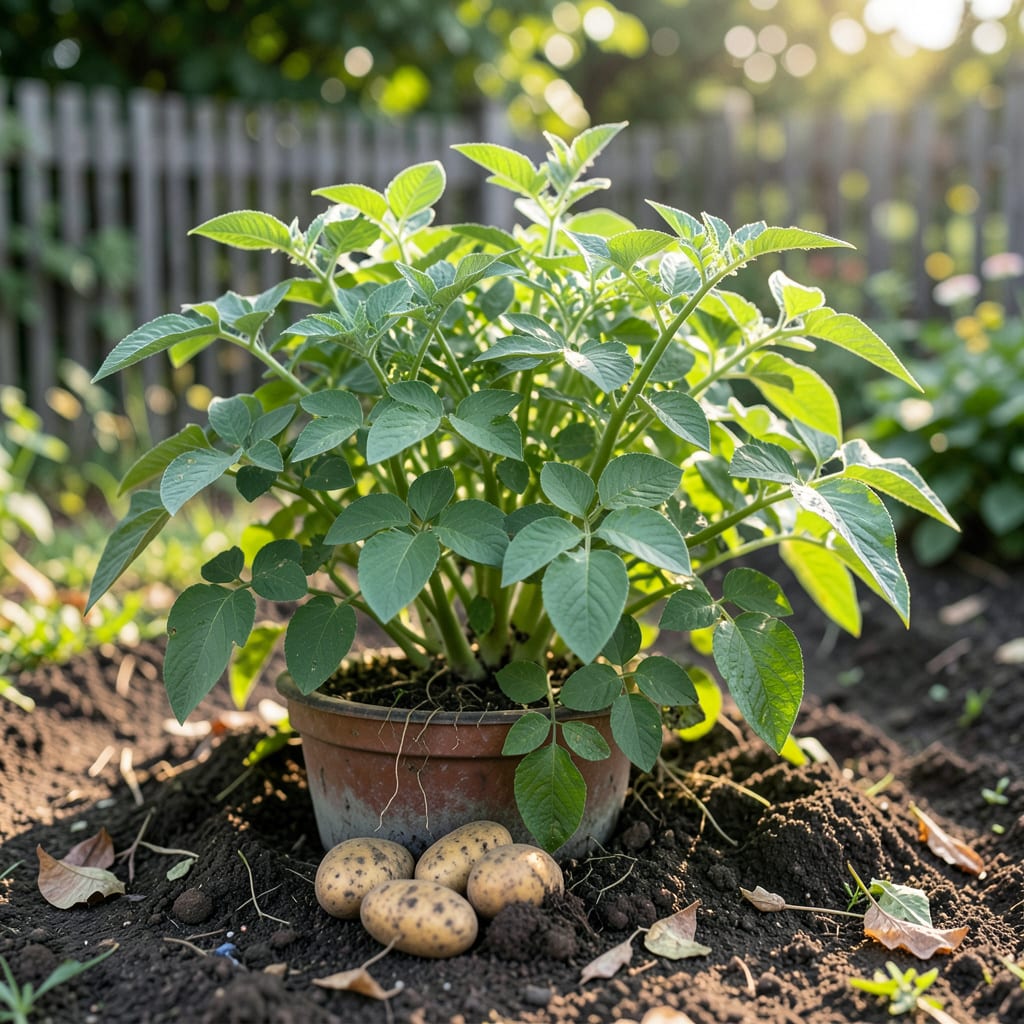
Iowa gardeners know that timing is everything when it comes to growing delicious Potatoes 🥔. Planting at the right moment can mean the difference between a bountiful harvest and a disappointing yield.
In Iowa’s climate, which falls within USDA zones 4-6, the ideal time to plant Potatoes is in early spring, typically 2-4 weeks before the last frost date. Let’s explore the best practices for a successful Potato harvest.
Iowa’s diverse climate means that the optimal potato planting time varies across different regions. The state’s geography spans USDA hardiness zones 4-6, creating different frost date patterns that gardeners must consider.
Understanding these regional variations is crucial for successful potato cultivation. Let’s examine the specific planting times for different parts of Iowa.
The ideal planting window for potatoes in Iowa typically falls between late March and late April, depending on the specific region. Gardeners should aim to plant 2-4 weeks before the last expected frost date in their area.
In northern Iowa, which includes areas like Mason City and Decorah, the last frost date is usually around May 10-15. This means gardeners should plant potatoes in late March to early April.
Central Iowa, including cities like Des Moines and Ames, typically experiences its last frost around April 25-30, so planting should occur in early to mid-April.
Southern Iowa, encompassing areas like Ottumwa and Burlington, has a slightly longer growing season. The last frost date here is around April 20-25, making mid to late April the best time for potato planting.
These regional planting times are based on historical climate data and frost date information. Gardeners should always check local weather forecasts and soil temperature before planting.
The soil temperature should be between 40°F and 70°F (4°C to 21°C) for optimal potato growth. In Iowa’s spring conditions, soil temperature usually reaches this range by late March in southern areas and early April in northern regions.
By planting at the right time for their specific region, Iowa gardeners can maximize their potato crop’s potential and enjoy a bountiful harvest 🌼.
Successful potato cultivation in Iowa requires careful consideration of these regional climate variations and frost dates. By understanding and adapting to these factors, gardeners can ensure a healthy and productive potato crop.
Potato planting in Iowa is typically done in the spring season, taking advantage of the state’s temperate climate with cold winters and warm summers.
Iowa’s frost-free days range from 165 days in the north to 180 days in the south, providing a suitable growing window for potatoes in all regions.
Successful potato cultivation in Iowa begins with proper soil preparation. The quality of your soil directly impacts the health and yield of your potato crop.
Potatoes thrive in well-draining, loose soil that’s rich in organic matter. Iowa gardeners should focus on creating these ideal conditions before planting.
Test your soil pH level and adjust it if necessary. Potatoes prefer a slightly acidic to neutral soil pH between 4.5 and 7.0. Add organic matter like compost to improve soil structure and fertility.
The ideal soil texture for potatoes is loamy or sandy loam, which provides good drainage while retaining moisture. Heavy clay soils can cause tubers to become deformed, while very sandy soils may require more frequent watering.
Soil testing is a critical step in preparing for potato planting. Iowa gardeners should test their soil to determine its pH level and nutrient content. Based on the test results, you can amend the soil accordingly.
To improve soil quality, incorporate 2-4 inches of compost or well-rotted manure into the top 8-10 inches of soil. This will enhance the soil’s fertility and drainage, creating a more favorable environment for potato growth.
Potatoes are heavy feeders, so it’s essential to ensure your soil has adequate nutrients. Consider applying a balanced fertilizer according to soil test recommendations.
By properly preparing your soil, you’ll be giving your potato crop the best possible start, setting the stage for a healthy and productive harvest 🌱.
After planting potatoes in Iowa, proper care is essential for a successful harvest. The first few weeks after planting are critical for establishing a healthy crop.
One of the most important post-planting tasks is hilling, which involves mounding soil around the base of the plants as they grow. This practice helps to:
Prevents tubers from becoming green and toxic
Creates more space for tubers to develop
Helps roots grow deeper and healthier
Water management is another crucial aspect of post-planting care. Potatoes need consistent moisture, especially when tubers are forming. Aim to provide about 1-2 inches of water per week, either through rainfall or irrigation 🌧️.
Pest and disease management is also vital. Keep an eye out for signs of common potato pests like Colorado potato beetles and diseases such as late blight. Regular monitoring and appropriate management strategies can help prevent significant damage to your crop.
By following these post-planting care guidelines, Iowa gardeners can ensure their potato crops receive the best possible care, leading to a bountiful and healthy harvest 🥔.
The key to success lies in maintaining consistent care throughout the growing season. With proper attention to hilling, watering, and pest management, you can maximize your potato yield and enjoy the fruits of your labor.
Iowa’s climate provides a good environment for potato cultivation, with adequate moisture and suitable temperatures during the growing season. By understanding and responding to the specific needs of your potato crop, you can achieve a successful harvest.
The ideal soil temperature for planting potatoes is between 40°F and 70°F (4°C to 21°C). In Iowa’s spring conditions, soil temperature usually reaches this range by late March in southern areas and early April in northern regions.
Potatoes need consistent moisture, especially when tubers are forming. Aim to provide about 1-2 inches of water per week, either through rainfall or irrigation. Watering 2-3 times a week is usually sufficient, depending on weather conditions.
Hilling involves mounding soil around the base of potato plants as they grow. This practice protects tubers from sunlight, encourages more tuber formation, and improves soil aeration. It’s a crucial step in achieving a bountiful harvest.
In Iowa, potatoes are typically ready to harvest 70-120 days after planting. Check for readiness when plants start to yellow and die back. For new potatoes, you can harvest as early as 60 days after planting.
