
Beautiful Plants For Your Interior
Beautiful Plants For Your Interior
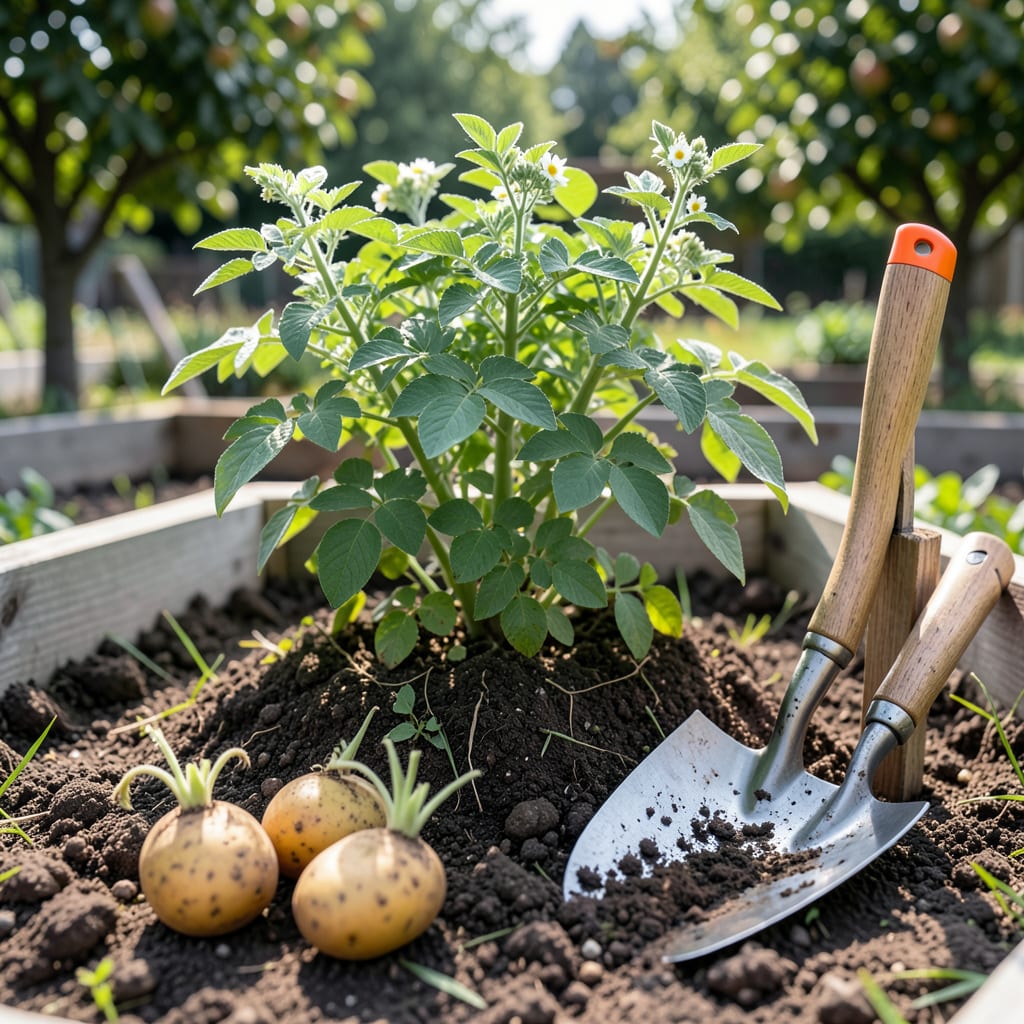
Timing your potato planting in Indiana can mean the difference between a bumper crop and a disappointing harvest. Our state’s unpredictable springs—with late frosts lurking until mid-April—make nailing that perfect window tricky.
I’ve tested the ideal schedule for Zone 6a gardens, and the sweet spot starts in late March to early April. But soil temp matters more than the calendar—wait until it hits 45°F at 4-inch depth. Let’s dig into how to get it right for your Indiana plot.
Indiana’s USDA Zones 5-6 create a unique challenge for potato planting. The last frost date varies dramatically—from early April in southern counties to mid-May up north. I’ve found the optimal window begins 2-4 weeks before your local frost-free date.
For most Hoosiers, that means late March to early April in southern Indiana, while northern gardeners should wait until mid-April. Soil temperature is your best guide—45°F minimum at 4-inch depth. Let’s break down the regional specifics.
| Region | Last Frost Date | Planting Window | Soil Temp Target |
|---|---|---|---|
| Southern Indiana | April 1-10 | March 15 – April 1 | 45°F+ |
| Central Indiana | April 15-20 | March 25 – April 10 | 45°F+ |
| Northern Indiana | May 1-10 | April 10 – April 25 | 45°F+ |
*Adjust for early varieties (plant 1 week earlier) or late varieties (plant 1 week later).
Southern Indiana’s warmer microclimates near Evansville or Louisville allow for earlier planting. I’ve successfully planted ‘Yukon Gold’ as early as March 10 in these areas—just be ready with frost blankets if a cold snap hits.
Central Indiana gardeners (Indianapolis, Bloomington) should target late March to early April. The soil warms faster in raised beds, so I recommend using them if you’re eager to plant. Always check your 4-inch soil temp with a thermometer.
Up north near South Bend or Fort Wayne, patience pays off. The cold, wet soils of early spring can rot seed potatoes. Wait until mid-April when soils dry slightly and warm consistently. ‘Kennebec’ and ‘Russet’ varieties handle these conditions well.
For fall planting, aim for early August in northern Indiana and late August in southern regions. These potatoes need 90 days to mature before the first frost. I’ve had great success with ‘Red Pontiac’ for fall harvests.
Remember: Potatoes hate soggy soil. If your garden stays waterlogged after spring rains, consider raised beds or mounded rows to improve drainage. A well-draining loamy soil amended with compost gives the best results.
Pro tip: Chit your potatoes 4-6 weeks before planting. This means letting them sprout in a cool, bright spot. It gives them a 2-week head start once in the ground. I’ll share my chitting setup in the next section.
Finally, watch the 10-day forecast before planting. If nighttime temps will dip below 28°F, hold off or use row covers. Potatoes can handle light frosts, but hard freezes will kill emerging sprouts.
By matching these windows to your specific region and preparing your soil properly, you’ll be harvesting plump, flavorful potatoes by early summer. Next, let’s talk about how to know when your soil is truly ready for planting. 🌱
Indiana’s clay-heavy soils can trick even experienced gardeners into planting potatoes too early. I’ve learned the hard way that soil temperature and texture matter more than the calendar date. Don’t grab your seed potatoes until you’ve checked these critical signs.
First, forget the old “St. Patrick’s Day” rule—Indiana’s last frost dates vary wildly from April 10 (southern IN) to May 10 (northern IN). Your soil needs to hit 45°F consistently at 4-inch depth. A cheap soil thermometer is your best friend here.
Here’s my pro tip: Test soil moisture levels by digging a 6-inch hole. If the bottom feels cool but not wet, you’re good. Too dry? Water lightly 3 days before planting. Too wet? Wait—potatoes hate soggy soil and will rot.
Don’t skip the pre-planting prep. I mix in 2 inches of compost and a balanced 5-10-10 fertilizer to give tubers a nutrient boost. Avoid fresh manure—it can burn young plants and attract wireworms.
Watch for false springs—Indiana’s infamous warm spells followed by hard frosts. If you plant during a 70°F week in March, cover emerging sprouts with row fabric if temps dip below 32°F. Better safe than sorry!
Remember, early varieties like ‘Yukon Gold’ can go in 2-3 weeks before last frost, while maincrop types (e.g., ‘Russet’) need warmer soil. When in doubt, chit your potatoes indoors to give them a head start.
Your reward for patience? Plump, flavorful spuds ready to harvest by July or August. Now grab that thermometer and get testing—your best potato crop starts with perfect timing! 🌱
Indiana gardeners face a delicious dilemma: spring-planted potatoes or fall-harvested spuds? Both seasons work, but each has distinct advantages. I’ve grown potatoes for years across Indiana’s Zones 5-6, and the best choice depends on your goals, climate, and variety selection.
Spring planting (March-April) offers longer daylight for growth and typically higher yields. But fall potatoes (planted August-September) often have fewer pests and can store better. Let’s compare the pros and cons to help you decide which season suits your garden.
*Best varieties: Spring – Yukon Gold, Red Norland | Fall – Kennebec, Russet
For spring planting, I recommend ‘Yukon Gold’ and ‘Red Norland’—they thrive in Indiana’s cool springs and mature quickly. Plant them 2-4 weeks before last frost (late March in southern IN, mid-April up north). Use row covers if frost threatens after planting.
Fall potatoes need careful timing. Plant 90-100 days before first frost (early August in northern IN, late August in southern regions). ‘Kennebec’ and ‘Russet’ varieties perform best in fall. Mulch heavily to protect from early frosts and extend your harvest window.
Pest pressure differs dramatically between seasons. Spring plantings often battle Colorado potato beetles, while fall crops face wireworms and slugs. I’ve found neem oil sprays effective for beetles, and beer traps work wonders for slugs in damp fall conditions.
Storage life varies too. Spring-harvested potatoes in Indiana’s hot summers often last 2-3 months, while fall-dug spuds (harvested in cool October soil) can store 4-6 months in proper conditions. For longest storage, cure potatoes at 50-60°F with high humidity for 10 days before moving to cooler storage.
Ultimately, I recommend trying both seasons! Plant a small spring crop for fresh eating and a larger fall crop for storage. This strategy gives you potatoes from July through winter. Just remember: spring potatoes need consistent moisture, while fall plantings require extra vigilance against early frosts. 🌱
Southern Indiana gardeners can start as early as mid-March if soil temps reach 45°F. Evansville and Louisville areas often hit this mark first. Always use frost blankets for early plantings—late freezes can still occur until early April.
Cover emerging sprouts with row fabric or straw mulch when temps dip below 32°F. For severe frosts under 28°F, add a second layer or use plastic cloches. Remove coverings during the day to prevent overheating.
Use 5-gallon buckets or grow bags with drainage holes. Fill with a mix of compost and potting soil. Containers warm faster than ground soil, letting you plant 1-2 weeks earlier in soggy areas.
Plant by early August in northern Indiana or late August in southern regions. Choose fast-maturing varieties like ‘Red Pontiac’ (70 days). Mulch heavily to protect from early frosts and extend your growing window.
Rotting usually means soil was too cold/wet at planting. Always wait until soil reaches 45°F+ at 4-inch depth. Improve drainage with raised beds or sand amendments if your garden stays waterlogged.
