
Beautiful Plants For Your Interior
Beautiful Plants For Your Interior
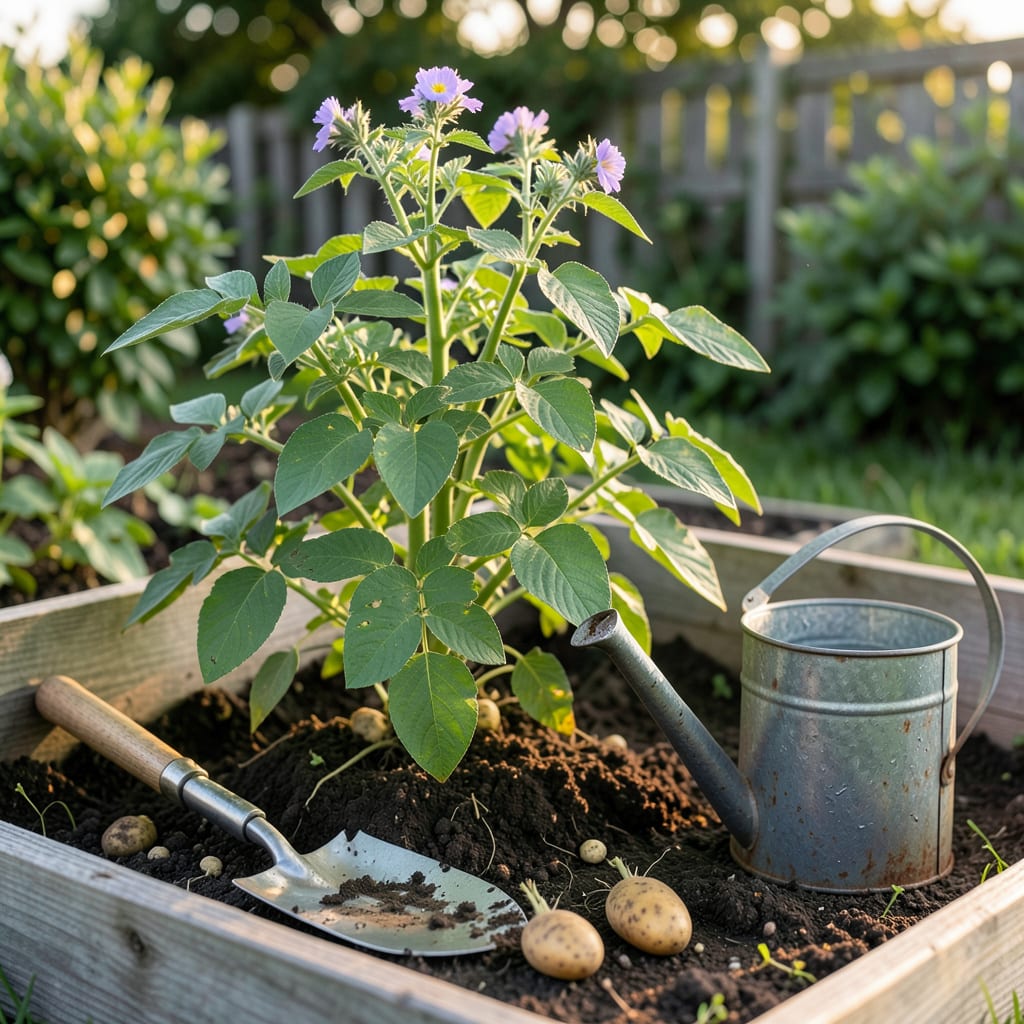
Central Florida’s warm winters and scorching summers make potato planting a timing puzzle. Plant too early, and unexpected cold snaps threaten your crop; wait too long, and the summer heat stunts growth before tubers even form.
After testing different approaches in Zone 9’s climate, I’ve nailed down the ideal window for planting 🥔 that balances frost risk and heat stress. Here’s exactly when to get those seed potatoes in the ground—and why these months make all the difference for your harvest.
If you’re dreaming of homegrown spuds in Central Florida, timing is your secret weapon. Our Zone 9a/9b climate means we dodge harsh winters but battle summer heat that can fry potato plants. The sweet spot? Late fall through early spring—when soil temps stay between 50°F–70°F. 🌱
I’ve found that coastal areas (like Tampa Bay) can plant slightly earlier than inland spots (Orlando/Kissimmee) due to milder temps. But no matter where you are, avoid summer planting—soil above 80°F stops tuber formation dead in its tracks. Let’s break it down by month and variety.
| Variety | Best Months | Days to Harvest | Notes |
|---|---|---|---|
| Yukon Gold | Jan–Feb | 70–90 | Heat-tolerant; great for beginners |
| Red LaSoda | Feb–Mar | 90–110 | UF/IFAS recommended; resists pests |
| Kennebec | Dec–Jan | 80–100 | Early variety; plant after first frost risk |
| Sweet Potato | Mar–Apr | 100–120 | Needs 90+ days of warm soil |
Pro Tip: Use a soil thermometer—plant when temps hit 50°F at 4″ depth.
For early varieties like Kennebec, I start seed potatoes in December after our last frost date (usually mid-November). This gives them time to mature before April’s heatwave. If you miss the window, February plantings still work but may need extra shade cloth by May. ☀️
Late-season plantings (March/April) are riskier but doable with heat-tolerant varieties like Red LaSoda. I’ve had success by mulching heavily with straw to keep soil cool. Just watch for wireworms—they love Florida’s sandy soil. A pre-plant nematode treatment can save your crop.
Coastal gardeners near Tampa or St. Pete can push planting to early November if using row covers for frost protection. Inland folks in Orlando should wait until after Thanksgiving to avoid surprise cold snaps. Always check the 10-day forecast before planting!
If you’re growing sweet potatoes (technically a different plant!), they thrive in March–April plantings. They need loose, sandy soil—perfect for Central Florida’s native dirt. Just add compost to boost nutrients, as our soil is often nutrient-poor. 🌿
Remember: Potatoes hate wet feet. Our summer rains (June–September) make planting nearly impossible—rot risk skyrockets. If you’re determined to try, use raised beds with drainage and plant early-maturing varieties like Yukon Gold.
I always mark my calendar for St. Patrick’s Day (March 17) as my last chance to plant for a spring harvest. After that, it’s a race against the heat. For fall crops, aim for late September plantings—just be ready to cover plants if temps dip below 32°F. 🌡️
Still unsure? The UF/IFAS Extension offers free soil testing—worth it to check your pH levels (potatoes prefer 5.0–6.0). Their Florida Vegetable Gardening Guide is my go-to for hyper-local advice. Trust me, a little prep now means bigger yields later!
Getting potatoes to thrive in Central Florida’s sandy soil and humid air takes some prep work. I’ve learned the hard way that our native dirt drains too fast, leaving tubers parched. The fix? Amend with compost—at least 2–3 inches worked into the top 6 inches of soil. 🌱
For best results, I mix in aged manure or peat moss to help retain moisture. A balanced fertilizer (like 10-10-10) at planting gives roots a boost, but go easy—too much nitrogen means leafy tops and tiny spuds. Test your soil’s pH first; potatoes crave 5.0–6.0.
UF/IFAS Tip: Plant certified disease-free seed potatoes to avoid introducing blight.
Choosing the right potato variety makes or breaks your harvest. In my trials, ‘Yukon Gold’ and ‘Red LaSoda’ consistently outperform others. They handle our heat spikes better and resist common pests like wireworms. For sweet potatoes, ‘Beauregard’ is a Florida favorite—it loves our long growing season.
Watering wisely is critical. Our sandy soil dries fast, so I water deeply 2–3 times weekly (1–1.5 inches total). Drip irrigation works best—avoid overhead watering to prevent fungal diseases. Stop watering 2 weeks before harvest to toughen skins for storage. 💧
Don’t skip hilling! Every 2–3 weeks, I mound soil or straw around stems to encourage tuber formation. In Florida’s loose soil, this also prevents greening (toxic solanine buildup) from sun exposure. Use a hoop house or shade cloth if planting in late February to shield from sudden heatwaves.
Pests are inevitable, but you can outsmart them. Nematodes plague our soils—rotate crops and plant marigolds as a natural deterrent. For wireworms, try beneficial nematodes or diatomaceous earth. Scout for Colorado potato beetles (yes, they’re here too!) and handpick eggs off leaves.
Timing your fertilizer schedule matters. I feed with a low-nitrogen mix (5-10-10) at planting, then again when plants flower. Avoid high nitrogen after 6 weeks—it delays tuber formation. For organic gardens, fish emulsion or bone meal work well, but apply sparingly in our humid climate to avoid mold.
Even experienced gardeners can sabotage their potato harvest in Central Florida by making avoidable errors. The biggest culprit? Planting at the wrong time. I’ve seen folks try summer plantings, only to watch their crops wilt in the heat or rot in monsoon rains. 🌧️
Our sandy soil is another silent yield-killer. Without amendments, it drains too fast, leaving tubers small and stunted. Skipping soil prep—like adding compost or peat moss—means you’re setting yourself up for disappointment before you even start.
UF/IFAS Alert: Wireworms thrive in Florida’s sandy soil—rotate crops yearly to break their cycle.
Another critical mistake? Using grocery-store potatoes as seed. They’re often treated with sprout inhibitors and carry diseases. Always buy certified seed potatoes from reputable suppliers. I learned this the hard way after my first crop succumbed to blight from infected supermarket spuds. 🪴
Neglecting pest control is a fast track to failure. Florida’s wireworms, nematodes, and Colorado potato beetles are relentless. I combat them with crop rotation, marigold companion plants, and beneficial nematodes. Skip prevention, and you might as well hand your harvest over to the bugs.
Finally, don’t underestimate our humidity. Fungal diseases like early blight spread fast in moist air. Space plants 12–15 inches apart for airflow, water at the base (not leaves), and apply copper fungicide preventatively. I lost an entire March planting to blight before adopting these habits—now my crops stay healthy even in rainy springs. 🌿
No, our summer heat and humidity make it nearly impossible. Stick to December through March for best results. Soil temps above 80°F prevent tuber formation, and heavy rains cause rot.
Planting grocery-store potatoes instead of certified seed potatoes. Store-bought spuds are often treated with sprout inhibitors and carry diseases. Always source disease-free seed potatoes from reputable suppliers.
Watch for yellowing foliage and flowering—most varieties are ready 70–110 days after planting. Gently dig a test tuber; if the skin stays firm when rubbed, they’re ready. Stop watering 2 weeks prior to toughen skins.
No—this invites pests and diseases like nematodes and blight. Rotate crops yearly and solarize soil in summer (cover with clear plastic for 4–6 weeks) to kill pathogens. Add fresh compost to replenish nutrients.
Yes! Coastal spots (like Tampa Bay) can plant 2–3 weeks earlier than inland (Orlando/Kissimmee) due to milder temps. Always check your microclimate and monitor soil temps—aim for 50°F–70°F at planting.
