
Beautiful Plants For Your Interior
Beautiful Plants For Your Interior
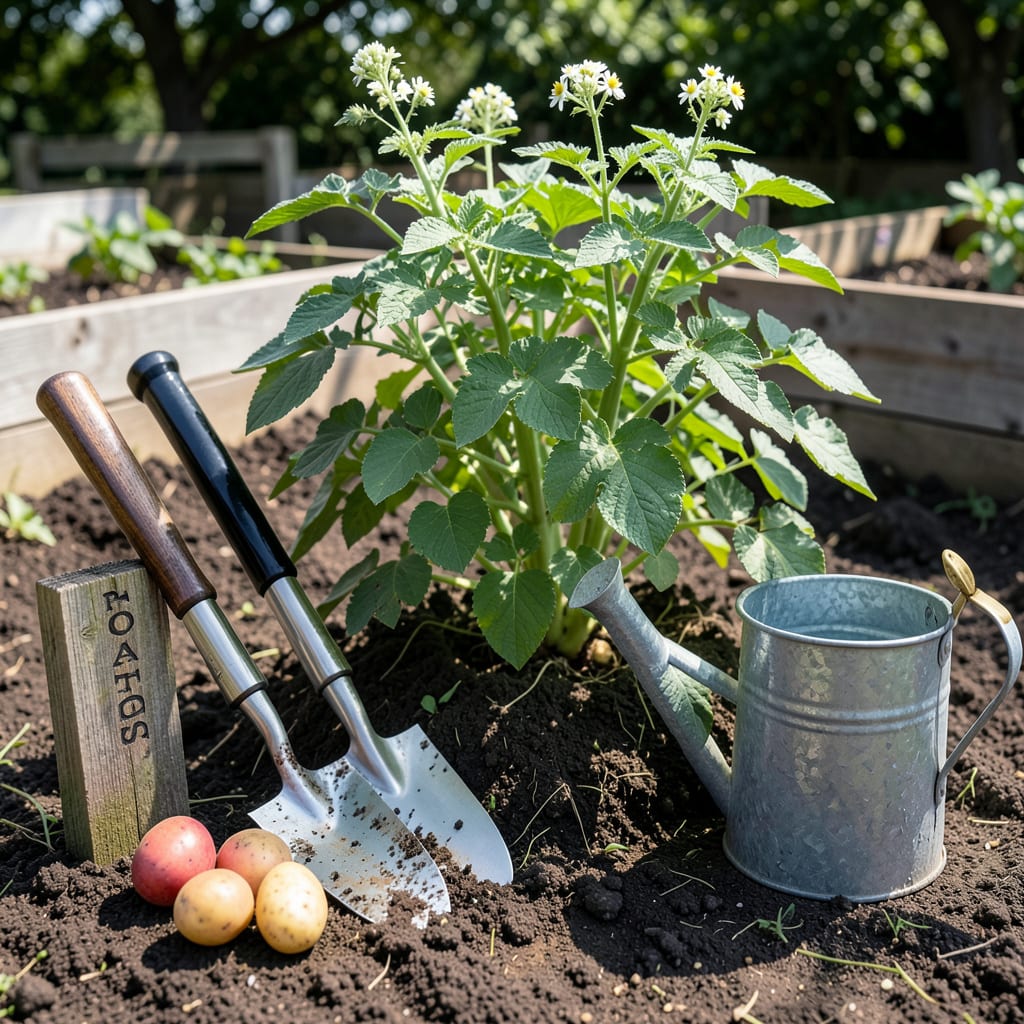
California’s diverse climates make planting 🥔 potatoes a game of timing—get it wrong, and you’ll battle frost or scorching heat. From foggy coasts to sunbaked valleys, the perfect window varies dramatically by region.
I’ll break down the exact months to plant for heavy yields, whether you’re in San Diego or Sacramento. You’ll also learn which varieties thrive where and how to prep your soil for success. Let’s dig in.
If you’ve ever wondered why your potato harvests fall short in California, timing is likely the culprit. Our state’s diverse microclimates—from foggy coasts to scorching valleys—mean planting windows vary dramatically. I’ll break down the exact zone-specific dates so you can plant with confidence.
Remember, soil temperature is your secret weapon. Potatoes thrive when soil hits 45–55°F. Too cold? Seeds rot. Too hot? Tubers won’t form. Coastal growers often plant earlier than inland friends, while mountain gardeners must wait for frost risks to pass.
| Region | USDA Zones | Spring Planting | Fall Planting | Best Varieties |
|---|---|---|---|---|
| Coastal (SF, LA) | 9–11 | Jan–Feb | Aug–Sept | Yukon Gold, Red Pontiac |
| Central Valley | 7–9 | Feb–March | Sept–Oct | Russet, Kennebec |
| Mountains (Sierra) | 5–7 | April–May | N/A (short season) | Fingerlings, Purple Majesty |
| Desert (Palm Springs) | 8–10 | Jan–Feb | Oct–Nov | Russian Banana, La Ratte |
*Soil must reach 45°F+ for 2+ weeks before planting. Use a soil thermometer for accuracy.
For coastal gardeners, that January planting might seem risky, but the moderating ocean influence prevents hard freezes. I always recommend using row covers for early plantings—they add 5–10°F of protection while letting light through. Remove covers when plants reach 6 inches tall.
Inland areas like the Central Valley face a different challenge: blazing summers. Here, fall planting often outperforms spring. Aim for late September to harvest before June heatwaves. Pro tip: Mulch heavily with straw to keep soil temps stable.
Mountain growers, your short season demands fast-maturing varieties. Stick to 70-day fingerlings and plant as soon as soil is workable. I’ve had success with “hilling” every 2 weeks—this protects emerging tubers from surprise late frosts while encouraging more spuds.
Desert regions require shade cloth (30–50%) during peak sun. Plant in raised beds to improve drainage—potatoes hate “wet feet” in hot climates. Water deeply but infrequently (1 inch/week) to prevent cracking. Test soil moisture 2 inches deep before watering.
No matter your zone, always chit your seed potatoes 2–3 weeks before planting. Place them in a bright, cool spot (60°F) to encourage sturdy sprouts. This gives you a 2-week head start on growth. Avoid grocery store spuds—they’re often treated with sprout inhibitors.
Watch for soil crusting after heavy rains—it can block emerging shoots. Gently break the crust with a rake if needed. In drought-prone areas, mix hydrogel crystals into planting holes to retain moisture. They release water gradually, reducing stress during dry spells.
Remember: Potatoes grow best when days are 60–70°F and nights dip to 50°F. Use a low tunnel to extend seasons in marginal zones. For fall crops, count backward from your first frost date—most varieties need 90–120 days to mature.
Finally, rotate your potato beds yearly to prevent disease buildup. Never plant where tomatoes, peppers, or eggplants grew the previous season—they share pests/diseases. I like to follow potatoes with beans or corn to replenish soil nitrogen naturally.
With these zone-tailored tips, you’ll be pulling up baskets of homegrown potatoes in no time. Next, let’s tackle the 3 biggest mistakes I see California growers make—and how to sidestep them completely.☀️
Even experienced gardeners can sabotage their potato crops with simple oversights. In California’s unpredictable climate, three mistakes consistently derail harvests. I’ve seen these errors cost growers entire seasons of work—let’s fix them before you plant.
First up: ignoring soil temperature. Many assume calendar dates alone dictate planting time, but soil must hit 45°F+ for at least two weeks. Use a soil thermometer—don’t guess. Coastal areas often warm slower than inland valleys, even in the same planting month.
Fix: Buy certified seed potatoes, hill every 2 weeks, and cover early plantings with frost cloth.
The second blunder? Overwatering in clay soil. California’s heavy soils hold moisture, and soggy conditions cause tuber rot. Test soil 2 inches deep—if it sticks to your fingers, wait to water. In drought areas, drip irrigation beats overhead sprinklers to prevent fungal diseases.
Third, many growers forget crop rotation. Planting potatoes where tomatoes, peppers, or eggplants grew last year invites verticillium wilt and nematodes. Rotate with beans or corn to break pest cycles. Even in small gardens, use containers with fresh soil to avoid issues.
Here’s a pro tip: Chit your seed potatoes before planting. Place them in a bright, 60°F spot for 2–3 weeks to develop sturdy sprouts. This gives you a 2-week growth advantage and stronger plants. Skip this, and you’ll harvest smaller, fewer tubers.
Finally, don’t ignore pest pressure. Wireworms and Colorado potato beetles thrive in California. Apply beneficial nematodes at planting and handpick beetles daily. I’ve saved crops by interplanting with basil—its scent deters pests while attracting pollinators.
With these fixes, you’ll sidestep the most common failures and set your crop up for success. Next, let’s explore the best varieties tailored to your specific California microclimate.🌱
Not all potatoes thrive in California’s diverse microclimates. From coastal fog to desert heat, choosing the right variety makes or breaks your harvest. I’ve tested dozens and found these top performers for each region’s unique challenges.
Coastal gardeners, your cool summers and morning fog call for varieties like Yukon Gold and Red Pontiac. These handle moisture fluctuations while delivering buttery flavor. Yukons mature in 70–90 days, perfect for your extended spring.
Yukon Gold, Red Pontiac
Russian Banana, La Ratte
Red Pontiac, Kennebec
Fingerlings, Purple Majesty
Inland valleys demand heat-tolerant varieties. Russian Banana and La Ratte excel in 90°F+ temps while maintaining moisture. Their waxy texture holds up better in dry conditions than mealy types.
For drought-prone areas, Red Pontiac and Kennebec are my go-tos. Their deep root systems access moisture other varieties miss. Kennebecs also resist common scab, a problem in alkaline soils.
Mountain growers need fast-maturing varieties. Fingerling potatoes and Purple Majesty produce in 60–70 days. Their compact growth fits short seasons while offering stunning colors and rich flavors.
Desert gardeners should try La Ratte or Russian Banana. These French heirlooms handle intense heat and produce even with less water. Their nutty flavor makes them worth the extra care.
Remember: Seed quality matters. Always buy certified disease-free potatoes from reputable suppliers. I’ve had best results with organic seed potatoes—they sprout faster and resist pests better than conventional options.🌿
Potatoes thrive when soil reaches 45–55°F consistently. Use a soil thermometer to check—planting too early in cold soil risks rot, while waiting too long in hot soil stunts tuber formation. Coastal areas often warm slower than inland valleys.
Yes, but timing matters! Coastal zones (like LA) can plant in January–February and again in August–September. Avoid summer planting—heat above 85°F stops tuber development. Desert areas should stick to fall/winter plantings only.
Green potatoes result from sun exposure—they develop toxic solanine. Prevent this by hilling soil (piling it 6+ inches high) around stems every 2 weeks. Use mulch or shade cloth in hot regions. Never eat green-skinned potatoes; compost them instead.
Chitting (pre-sprouting) gives a 2-week head start. Place seed potatoes in a bright, 60°F spot for 2–3 weeks until sprouts reach ½ inch. Avoid grocery store spuds—they’re treated with sprout inhibitors. Cut large seeds into 2-ounce pieces with at least 1 “eye” per piece.
For mountain areas or late plantings, choose fingerling varieties like ‘French Fingerling’ or ‘Purple Majesty’. These mature in 60–70 days and tolerate cooler temps. Pair with row covers to extend the season by 2–3 weeks if needed.
