
Beautiful Plants For Your Interior
Beautiful Plants For Your Interior
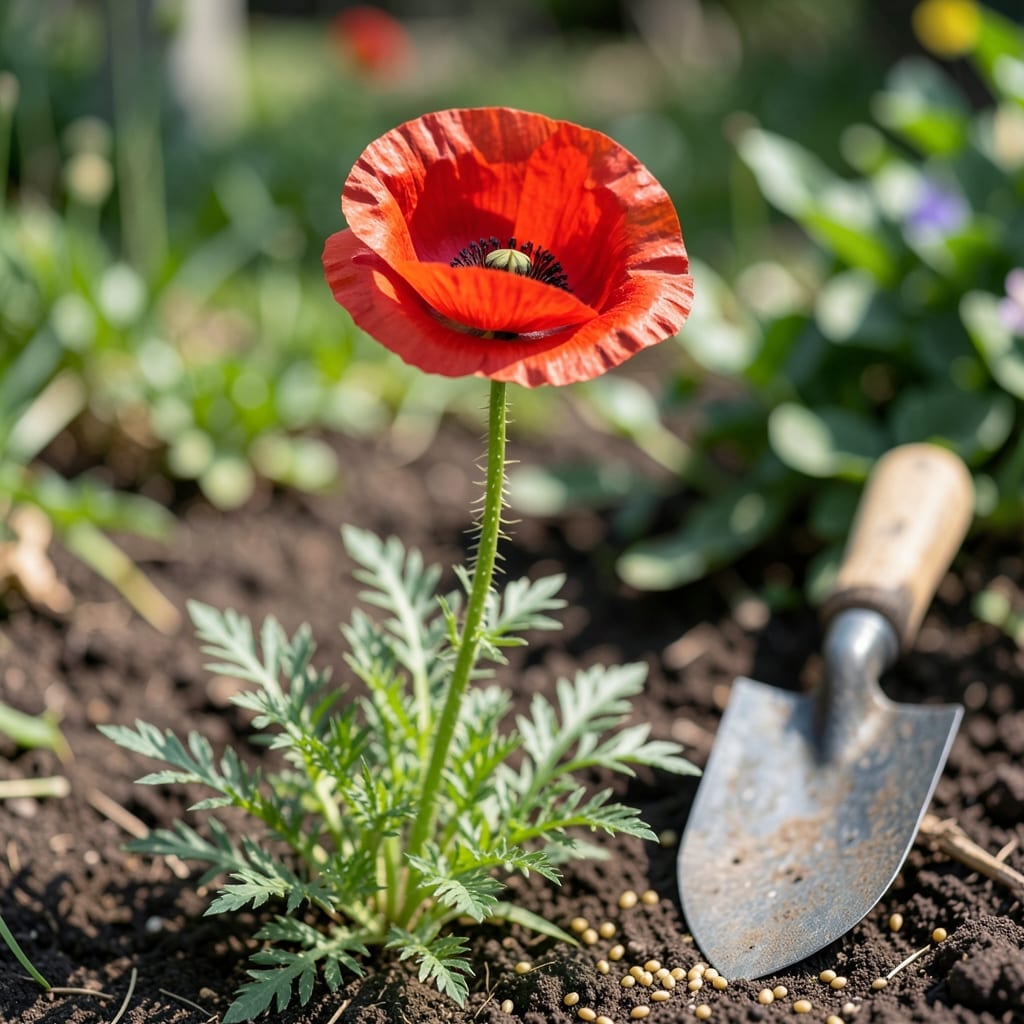
Timing is everything when it comes to planting poppy seeds in Southern California’s unique climate. Plant too early or too late, and you might miss out on those stunning blooms.
The 🌸 Poppy thrives in our region’s mild winters and hot summers, but getting the timing right is the key to success. Whether you’re in coastal or inland areas, the planting window matters more than you think.
I’ve learned through experience that September through November or February to March works best here. These months give your seeds the perfect conditions to establish strong roots before the heat or cold sets in.
Let me show you exactly when and how to plant for those vibrant, sun-drenched Poppy blooms that make Southern California gardens so special.
Southern California’s mild winters and hot summers create a unique planting window for poppies. The ideal time to sow seeds is fall to early winter, allowing roots to establish before spring blooms.
Coastal areas with cooler temperatures can plant slightly earlier, while inland regions may need to wait until the worst heat subsides. This timing ensures strong germination and vibrant flowers.
| Planting Window | Ideal Months | Bloom Time |
|---|---|---|
| Fall Planting | September-November | April-June |
| Winter Planting | February-March | June-August |
For coastal microclimates, September to November works best due to moderate temperatures and reduced heat stress. The cool moisture helps seeds settle without drying out.
In inland areas, where summers are hotter, October to November planting is safer. This avoids seed scorching and ensures healthy root development before spring.
February to March offers a secondary window for those who miss fall planting. The warming soil and longer days promote quick germination, but watering consistency is key.
Poppies thrive in well-draining soil and full sun. Avoid heavy clay or waterlogged spots, as these can stunt growth or cause root rot.
If planting in containers, ensure pots have drainage holes and use a light potting mix. This mimics natural conditions and prevents overwatering issues.
For best results, sow seeds directly in the ground—poppies dislike transplanting. Scatter seeds thinly and lightly press them into soil, then mist with water.
The Mediterranean climate of SoCal is perfect for poppies, but timing adjustments may be needed for extreme heat or unusual rainfall. Always monitor local conditions.
With the right timing, you’ll enjoy stunning blooms that brighten your garden from spring through summer 🌷
I’ve found that SoCal’s dry climate demands a tailored approach to planting poppy seeds. The key is preparation—your soil must be well-draining to prevent root rot in our occasional heavy rains.
Start by loosening the soil to a depth of 6-8 inches and mixing in compost. Poppies hate soggy roots, so avoid clay-heavy spots if possible.
Once sprouted, reduce watering to once a week. Poppies are drought-tolerant once established, making them perfect for our Mediterranean climate.
For best results, plant in a spot with full sun (6+ hours daily). I’ve seen the most vibrant blooms in areas with morning sun and afternoon shade in hotter inland zones.
Remember, poppies self-seed prolifically. If you want them to return yearly, let some pods mature and drop seeds naturally. This creates a low-maintenance cycle.
In coastal areas, you can plant as late as November, while inland gardeners should aim for early October to avoid winter chill. ☀️