
Beautiful Plants For Your Interior
Beautiful Plants For Your Interior
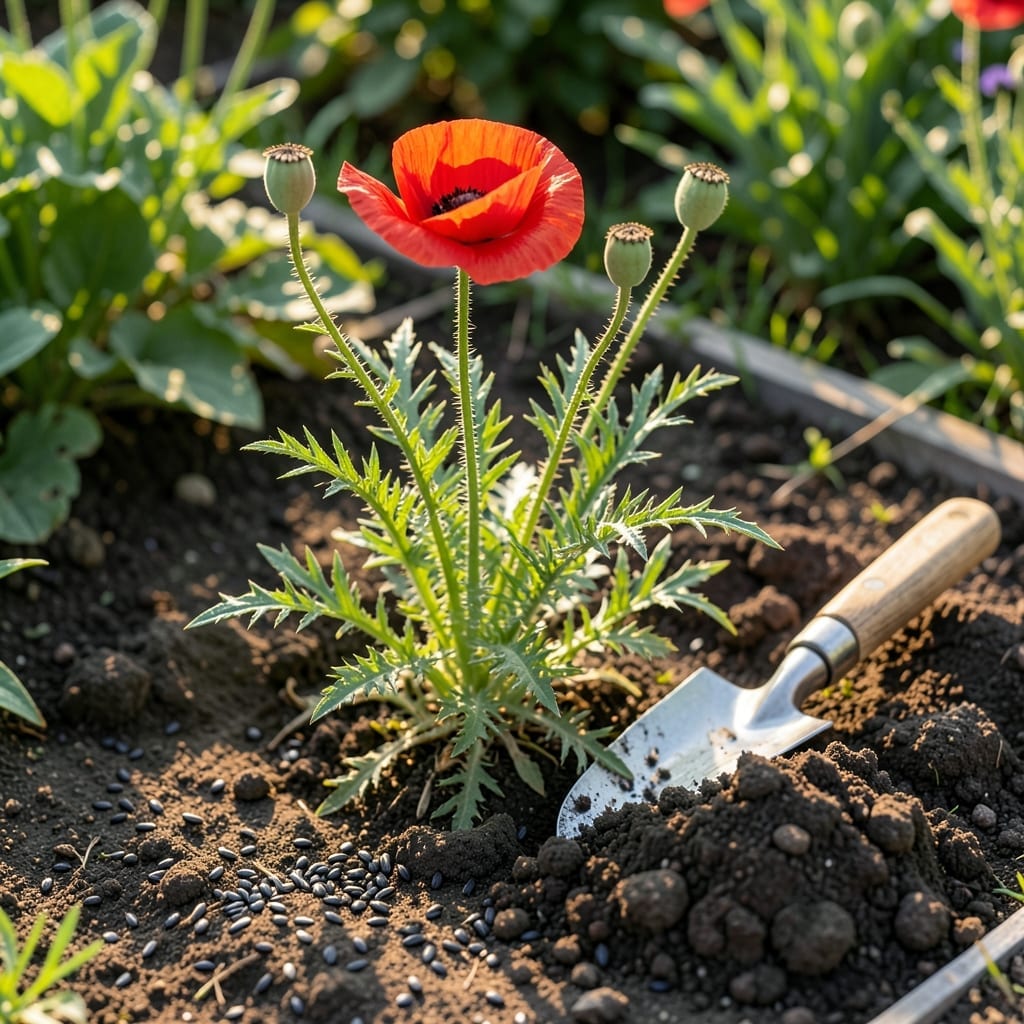
Timing is everything when planting Poppy in Zone 7, where the unique climate can make or break your garden’s success. I’ve seen too many gardeners struggle with wilted blooms or no flowers at all simply because they planted at the wrong time.
The secret lies in working with Zone 7‘s distinct seasons. Whether you’re dreaming of vibrant spring colors or a stunning fall display, understanding the perfect windows for Poppy will transform your results.
Let me walk you through the seasonal schedule that ensures your 🌸 thrive with minimal effort and maximum impact. The difference in your garden will speak for itself.
In Zone 7, I’ve found that fall planting often yields the best poppy blooms. The cooler temperatures and consistent moisture create ideal conditions for seed germination and root establishment before winter dormancy.
For spring planting, aim for early March through mid-April, right after the last frost date. This gives your poppies enough time to establish before the summer heat sets in.
| Season | Planting Window | Key Benefit |
|---|---|---|
| Early Spring | March–April | Avoids summer heat stress |
| Fall | September–October | Natural stratification for spring blooms |
| Winter | Not Recommended | Frost damage risk to seeds |
I always recommend direct sowing poppy seeds, as they hate transplanting. Scatter seeds on well-draining soil and lightly press them in—no need to cover deeply. This mimics their natural growing conditions.
For Iceland poppies, which prefer cooler temps, fall planting is ideal. They’ll establish roots in autumn, then burst into bloom early the next spring, often before other flowers wake up.
🌸Oriental poppies thrive when planted in early spring or late summer. These varieties need time to develop their deep taproots, so avoid planting during the hottest months.
California poppies are more drought-tolerant and can handle late spring planting, but I’ve seen the best results from September sowing. This gives them a head start for vibrant spring displays.
Watch your local frost dates closely. In Zone 7, the last frost typically occurs around April 15, so plan your spring planting accordingly. For fall planting, aim to finish at least 4-6 weeks before the first frost.
Remember, poppies prefer poor to average soil. Overly rich soil can lead to lush foliage but fewer blooms. If your soil is heavy clay, amending with sand or compost will improve drainage and success rates.
Finally, don’t forget that poppies are self-seeding champions. Once established, they’ll often return year after year with minimal effort from you—just let some seed pods mature and scatter naturally.
🌿Not all poppies are created equal, especially in Zone 7. I’ve tested multiple varieties, and each has its own unique needs for soil, sunlight, and moisture to truly thrive in this climate.
Iceland poppies love the cooler temps of Zone 7 and perform best with fall planting. They prefer well-draining soil and can handle partial shade, though they’ll bloom more abundantly in full sun.
| Variety | Sun Needs | Soil Type | Moisture |
|---|---|---|---|
| Iceland | Full sun to part shade | Well-draining, sandy | Moderate |
| Oriental | Full sun | Rich, loamy | Medium |
| California | Full sun | Poor, dry | Low |
Oriental poppies demand full sun and richer soil than their cousins. They’re perfect for early spring planting in Zone 7, as they need time to establish their deep taproots before summer heat arrives.
California poppies are the most drought-tolerant of the bunch. They thrive in poor, dry soil and full sun, making them ideal for gardeners who want low-maintenance blooms. I’ve seen them flourish even in rocky soil.
For any variety, ensure your planting site has excellent drainage. Poppies despise soggy roots, which can lead to rot. If your soil is heavy, amend it with sand or compost before planting.
Lastly, remember that poppies are short-lived perennials. In Zone 7, they’ll often reseed themselves, providing years of color with minimal effort from you. Just let some seed pods mature and scatter naturally.
🌷