
Beautiful Plants For Your Interior
Beautiful Plants For Your Interior
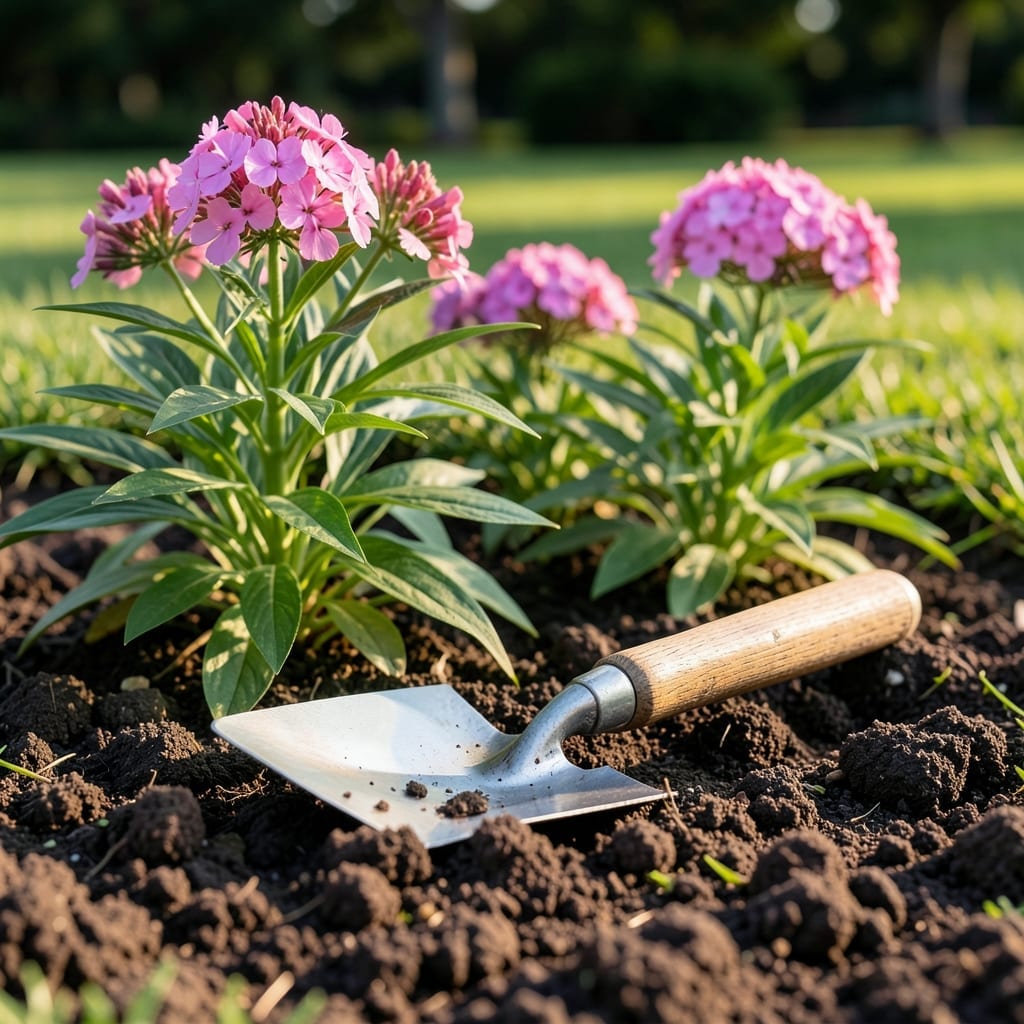
Timing is everything when you’re growing Phlox in Ohio’s Zone 6 climate. One wrong move with spring frosts or fall freezes can ruin months of work.
I’ve learned the hard way that planting too early or too late makes all the difference. The good news? There are clear windows that set you up for success.
Whether you’re a seasoned gardener or just starting out, knowing these timing secrets will help your 🌸Phlox thrive. Let me walk you through what works best.
Discover the exact months to plant and why they matter for vibrant blooms all season long.
Ohio’s Zone 6 climate gives us two prime windows for planting Phlox. I’ve found that timing around soil temperature and frost dates is critical. Spring planting works best when the ground is workable and past the last frost.
For fall planting, aim for at least 6 weeks before the first frost. This gives roots time to establish before winter. Both seasons have unique advantages for Ohio gardeners.
Early spring planting in Ohio means you’ll see blooms the same year. I recommend waiting until mid-April when the soil warms to at least 50°F. This prevents root rot from cold, wet conditions.
Late March can work for garden phlox if you’re in a warmer microclimate. But I’ve lost plants to unexpected frosts, so I now wait for consistent warmth. The soil must be workable, not muddy.
For fall planting, September is ideal in Ohio. The soil stays warm while air temperatures cool, encouraging root growth. I’ve had great success planting in early October too.
Just be sure to finish planting by mid-October at the latest. This gives roots enough time to establish before the first hard frost, which typically hits Ohio around October 15.
Creeping phlox handles cooler soil better than garden phlox. I’ve planted it in late March with good results, but it’s less forgiving of poor drainage. Always check your specific variety requirements.
Remember that mulching after planting helps moderate soil temperature. I use 2-3 inches of organic mulch to protect new plantings from temperature swings. This is especially important for fall-planted phlox.
Ohio’s unpredictable weather means you should always have row covers ready. I keep mine handy for sudden late frosts in spring or early freezes in fall. It’s saved my phlox more times than I can count. 🌸
In Ohio’s Zone 6, both spring and fall can work for planting phlox, but each season has trade-offs. I’ve found spring planting gives roots more time to establish before summer heat hits.
Fall planting, however, can be riskier with early frosts but often results in stronger blooms the following year. The key is timing it right before the ground freezes.
For spring planting, aim for late April to early May, after the last frost date. This gives your phlox a full growing season to mature and bloom beautifully.
If you choose fall planting, get plants in the ground by early September. This allows at least 6-8 weeks of growth before the first hard frost.
I always recommend spring planting for beginners. It’s more forgiving and gives you immediate gratification with summer blooms. Plus, you can monitor growth closely.
For experienced gardeners, fall planting can be rewarding, especially with creeping phlox. Just
Either way, well-draining soil and partial shade will help your phlox thrive in Ohio’s climate 🌸