
Beautiful Plants For Your Interior
Beautiful Plants For Your Interior
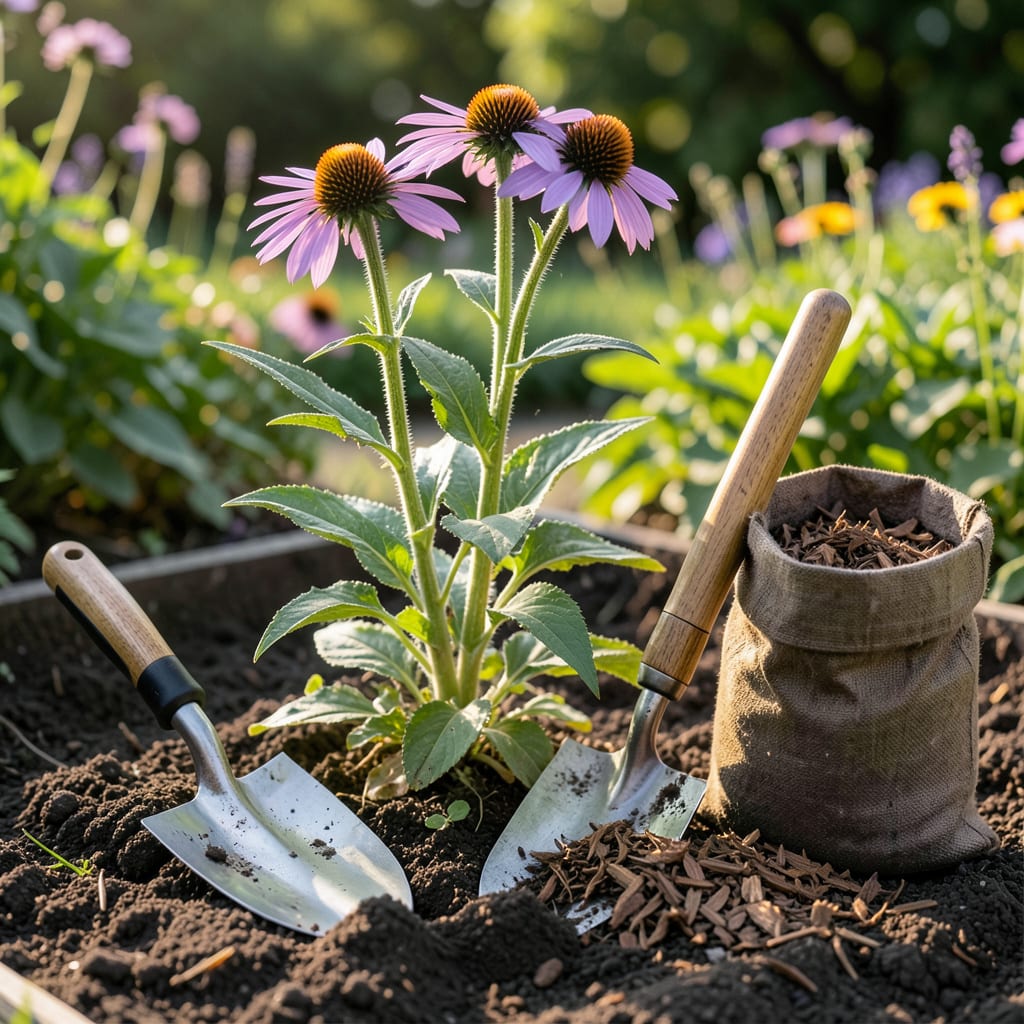
Michigan gardeners know the frustration: plant your perennials too soon, and a late frost wipes out your hard work. Wait too long, and your roots won’t establish before winter’s first freeze. The difference between thriving blooms and a disappointing garden often comes down to just 2-3 weeks of perfect timing.
After years of testing what works across Michigan’s zones, I’ve cracked the code for foolproof planting. Whether you’re in Traverse City’s Zone 5 or Detroit’s Zone 6, I’ll show you exactly when to get those perennials in the ground—spring vs. fall—and why your location changes everything. No more guessing games.
If you’ve ever lost perennials to Michigan’s late spring frosts or early fall freezes, you know timing isn’t just important—it’s everything. Our state’s USDA Zones 4–6 mean what works in Detroit won’t always fly in Marquette. I’ll break down the exact windows for Zones 5 and 6, so your roots establish before winter or summer heat hits.
Here’s the golden rule: Soil temperature (not air temp) dictates planting time. Aim for 50–60°F at 4-inch depth. In Zone 5 (think Traverse City, Grand Rapids), that’s typically mid-April to mid-May. Zone 6 gardeners (Kalamazoo, Detroit) can start 2–3 weeks earlier. But hold your trowel—let’s get specific.
| Zone | Spring Planting | Fall Planting | Last Frost | First Frost | Best For |
|---|---|---|---|---|---|
| Zone 5 (Upper LP, Northern LP) |
April 15–May 15 | Aug 15–Sept 15 | May 1–15 | Sept 20–Oct 10 | Cold-hardy perennials (cone flowers, sedum) |
| Zone 6 (Southern LP, Detroit) |
March 25–April 20 | Sept 1–30 | April 10–30 | Oct 10–25 | Tender perennials (peony, daylily) |
| Zone 4 (Upper Peninsula) |
May 1–30 | Aug 1–30 | May 15–30 | Sept 1–15 | Native plants (wild bergamot, columbine) |
See those fall planting windows? They’re your secret weapon. Planting in late summer/early fall gives roots a head start before winter dormancy. I’ve had hostas and black-eyed Susans planted in September thrive better than their spring-planted counterparts. Just mulch heavily (3–4 inches) before the ground freezes.
Now, about bare-root vs. container perennials: Bare-root plants need spring planting only—they can’t handle fall’s drying winds. Container-grown perennials? You’ve got flexibility. I’ve successfully planted potted cone flowers as late as October 1 in Zone 6 by watering deeply and adding anti-desiccant spray.
Watch for microclimates, especially near the Great Lakes. Lakeshore gardens (like in Holland or Ludington) stay cooler longer, so delay spring planting by 7–10 days. Conversely, urban heat islands (Detroit, Lansing) let you push fall planting 1–2 weeks later than rural areas.
Here’s my pro tip for clay soil (looking at you, most of Michigan): Amend with 50% compost and 20% coarse sand before planting. Perennials like purple coneflower and bee balm will thank you with explosive growth. Test drainage by digging a 12-inch hole—if water doesn’t drain in 2 hours, add perlite or pine bark fines.
Don’t forget soil temperature! Grab a $10 soil thermometer and check at 4-inch depth. Below 50°F? Hold off. Above 65°F in spring? You’re safe to plant even if nights are chilly. Fall planting sweet spot? 60–55°F soil temps—cool enough to prevent top growth but warm enough for root development.
For dividing perennials, early fall (September) is ideal in Zone 5–6. I divide my hostas and daylilies then—they’ll establish roots before winter and burst into growth next spring. Spring dividers often sulk all season. Exception: Spring-blooming perennials like bleeding hearts—divide those immediately after flowering.
Lastly, keep a garden journal with your zip code’s frost dates (find yours at Almanac.com). Note when you planted what—after 3 years, you’ll have a hyper-local calendar finer than any general guide. My journal showed me my Detroit garden (Zone 6b) can handle peony planting in early October, while my cousin in Petoskey (Zone 5a) must finish by September 15.
Remember: Michigan’s weather is a rollercoaster. When in doubt, wait a week—it’s better to plant into warming soil than risk frost damage. And always have frost blankets ready until June 1. Your future garden will reward your patience with years of low-maintenance beauty! 🌱
Michigan’s climate demands perennials that can handle wild temperature swings, clay-heavy soils, and Great Lakes-influenced microclimates. After testing dozens of varieties, I’ve narrowed it down to the top performers that thrive with minimal fuss—whether you’re in the sandy soils of West Michigan or the clay of Metro Detroit.
Here’s my golden rule: Match the plant to your specific zone and sun exposure. A full-sun peony in Zone 6 will flourish where a shade-loving astilbe would crisp. I’ll share the ideal planting windows for each, plus the one mistake most gardeners make with every variety.
Notice how peonies are fall-only? That’s because their root systems need cool soil to establish before winter. I learned this the hard way after losing three spring-planted peonies to root rot. Now, I plant them in September and get dinner-plate-sized blooms by year three.
For shady spots, hostas and astilbes are your best bets. But here’s the trick: Plant them 1–2 weeks later than sun-lovers in spring. Shade keeps soil cooler, so rushing leads to stunted growth. In fall, however, you can plant them up until October 1—the cooler temps prevent transplant shock.
Native plants like wild bergamot and butterfly weed are my secret weapons. They’re drought-resistant once established and attract pollinators by the dozens. Plant them in early May (Zone 5) or late April (Zone 6), and they’ll reward you with decades of blooms—no fertilizer needed.
Here’s a pro tip for clay soil: Before planting deep-rooted perennials like Joe Pye weed or Russian sage, mix in 1 part compost to 2 parts native soil. I’ve seen these plants double in size the first year with this simple amendment. Avoid peat moss—it compacts in clay and suffocates roots.
Finally, always water deeply after planting—even if it’s raining. Michigan’s sandy soils (looking at you, Grand Rapids) drain fast, while clay soils (Detroit, Flint) can form waterproof crusts. Use a soaker hose on low for 30 minutes to ensure moisture reaches the root zone. Your perennials will thank you with bigger blooms next season! 🌿
Michigan’s soil can be a gardener’s biggest challenge—whether you’re dealing with heavy clay in Detroit or sandy loam near the lakes. After years of amending my own garden beds, I’ve found the right prep work makes the difference between perennials that struggle and those that explode with growth the first year.
The secret? Test before you dig. Grab a $20 soil test kit from your local extension office. Michigan perennials thrive in pH 6.0–7.0, but our native soils often skew alkaline (especially in the southeast). I once wasted a season planting blue hydrangeas in unamended soil—only to get pink blooms because my pH was 7.5.
| Soil Type | Amendment | Ratio | Best For |
|---|---|---|---|
| Clay Soil | Compost + coarse sand | 50% native : 30% compost : 20% sand | Coneflowers, hostas |
| Sandy Soil | Peat moss + compost | 70% native : 20% compost : 10% peat | Lavender, sedum |
| Loamy Soil | Worm castings | 90% native : 10% castings | Most perennials |
For clay-heavy areas (most of Southeast Michigan), here’s my foolproof method: Dig your planting hole twice as wide as the root ball but no deeper. Mix the removed clay 50/50 with compost, then add a handful of mycorrhizal fungi (like Espoma Bio-Tone) to the hole. This combo prevents the “bathtub effect” where water pools and roots rot.
If you’re planting in spring, work in 1–2 inches of compost a month before planting. For fall planting, skip fresh manure—it can burn tender new roots. Instead, use aged compost or leaf mold. I learned this after losing a prized Japanese painted fern to over-enthusiastic manure application.
Here’s a seasonal
Fall is often ideal because cooler temps and consistent moisture help roots establish without heat stress. Aim for 6–8 weeks before first frost (early September in most zones). Spring works too, but requires more watering and frost protection.
Check soil temperature at 4-inch depth—it should be 50–60°F. Also, squeeze a handful: if it crumbles (not sticky or dusty), it’s perfect. Michigan’s clay soils often need amending with compost before planting.
Only if absolutely necessary. Summer’s heat stresses new plants, requiring daily watering and shade cloth. Opt for container-grown perennials if you must, and plant on cloudy days to reduce shock.
Ignoring microclimates! Lakeshore areas stay cooler, while cities like Detroit warm faster. Always adjust planting dates by 1–2 weeks based on your specific location—don’t rely solely on zone generalizations.
Yes, even in cooler weather. Water deeply 2–3 times per week until the ground freezes. This encourages root growth before winter dormancy. Mulch with 3–4 inches of shredded leaves to retain moisture.
