
Beautiful Plants For Your Interior
Beautiful Plants For Your Interior
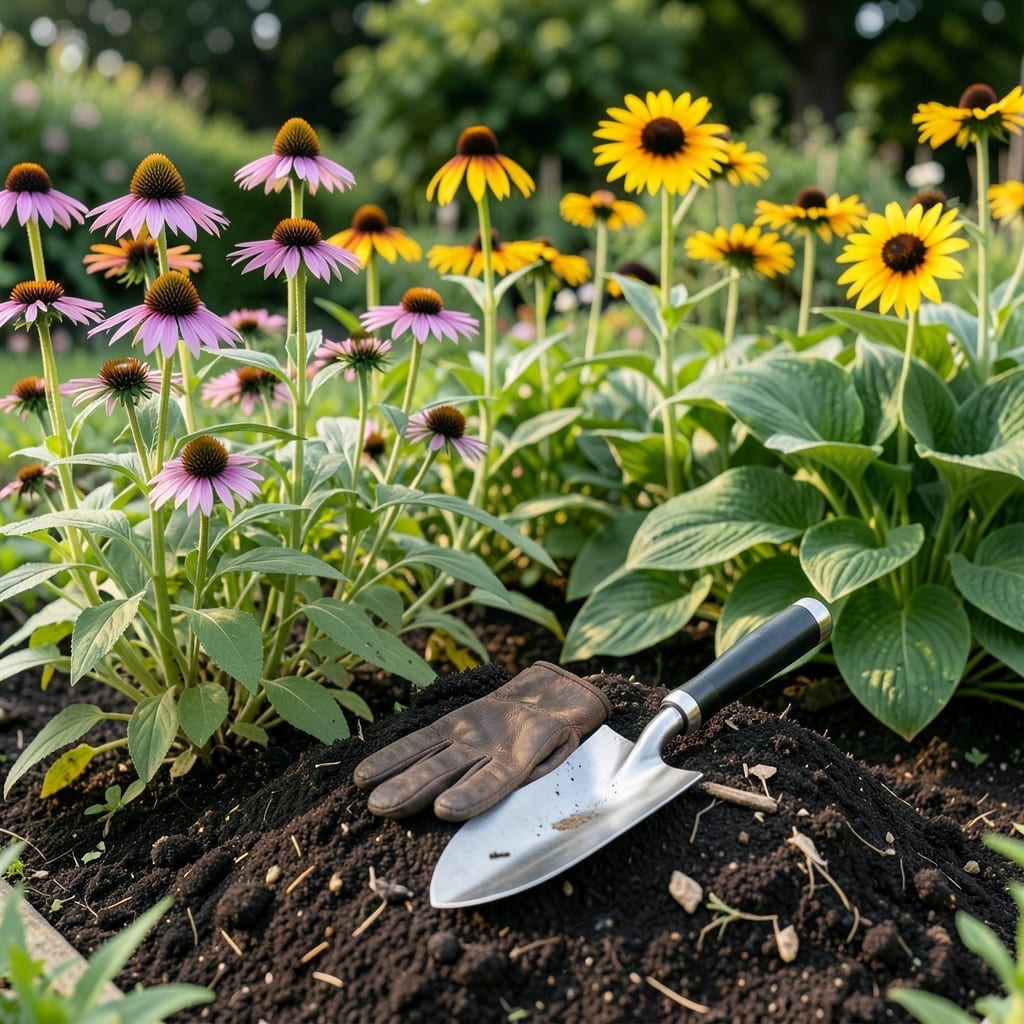
Timing is everything when planting 🌸 Perennials in Massachusetts, where the changing seasons dictate success or struggle for your garden.
Knowing the ideal windows for spring and fall planting can help your flowers, shrubs, and herbs thrive year after year. In zones 5b to 7a, the difference between lush blooms and a lackluster garden often comes down to when you put them in the ground.
Whether you’re a seasoned gardener or just starting out, understanding these seasonal rhythms is the key to getting it right. I’ll walk you through the best practices so you can plant with confidence.
Discover how to work with Massachusetts’ unique climate to create a garden that keeps coming back, bigger and better each season.
In Massachusetts, the best times to plant perennials are spring and fall. I’ve found that April through May is ideal for spring planting, as the soil warms and frost risks fade in zones 5b to 7a. 🌱
For fall, September to early October gives roots time to establish before winter. This timing helps plants survive the colder months and thrive next year. The key is avoiding extreme heat or frost during planting.
| Season | Optimal Months | Soil Temperature | Key Consideration |
|---|---|---|---|
| Spring | April – May | 50-60°F | After last frost |
| Fall | September – October | 50-60°F | Before first frost |
In spring, I always wait until after the last frost date, which ranges from April 15 to May 15 across the state. Planting too early can expose young perennials to cold snaps, stunting their growth. 🌿
For fall planting, I aim to finish at least 4-6 weeks before the first frost, typically around October 15 to November 1. This gives roots enough time to anchor in the soil before winter dormancy.
The soil temperature should be around 50-60°F for both seasons. I use a soil thermometer to check, as this range encourages root growth without stressing the plant.
Zone 5b gardeners in western Massachusetts might start a bit later in spring, while zone 7a areas near the coast can plant earlier. I always adjust based on local microclimates and weather forecasts. ☀️
If you’re planting in containers, you can start a bit earlier in spring since pots warm up faster. However, I still avoid planting perennials in summer unless I can provide consistent watering to combat heat stress.
For best results, I prepare the soil with compost before planting. This improves drainage and provides nutrients for strong root development. Well-draining soil is critical for perennials like coneflowers and hostas.
I also mulch after planting to retain moisture and suppress weeds. A 2-3 inch layer of organic mulch works wonders, especially in the drier summer months. This step is often overlooked but makes a huge difference.
Finally, I recommend watering deeply after planting and keeping the soil evenly moist for the first few weeks. This helps the roots establish quickly, whether you plant in spring or fall. 🪴
In Massachusetts, both spring and fall planting have unique advantages for perennials. I’ve found spring offers warmer soil and longer days, which helps new plants establish quickly. However, fall planting can be just as effective with proper timing.
Fall allows roots to grow before winter dormancy, giving your perennials a head start next spring. But you’ll need to plant at least 6 weeks before the first frost to avoid winter stress. Both seasons work well in zones 5b to 7a.
I always recommend early spring for beginners because it’s more forgiving. The April to May window gives plants time to settle before summer heat. But experienced gardeners often prefer fall for its lower maintenance needs.
For fall planting, aim for September to early October in most of Massachusetts. This gives roots 4-6 weeks to grow before the ground freezes. Mulching heavily after planting helps protect against winter temperature swings.
Remember, soil preparation is key for both seasons. Work in plenty of compost and ensure good drainage. A soil test can reveal if you need to adjust pH or add nutrients before planting.
Ultimately, the best time depends on your schedule and the specific perennial varieties you’re growing. Both seasons can yield beautiful, long-lasting results with the right approach.
🌱