
Beautiful Plants For Your Interior
Beautiful Plants For Your Interior
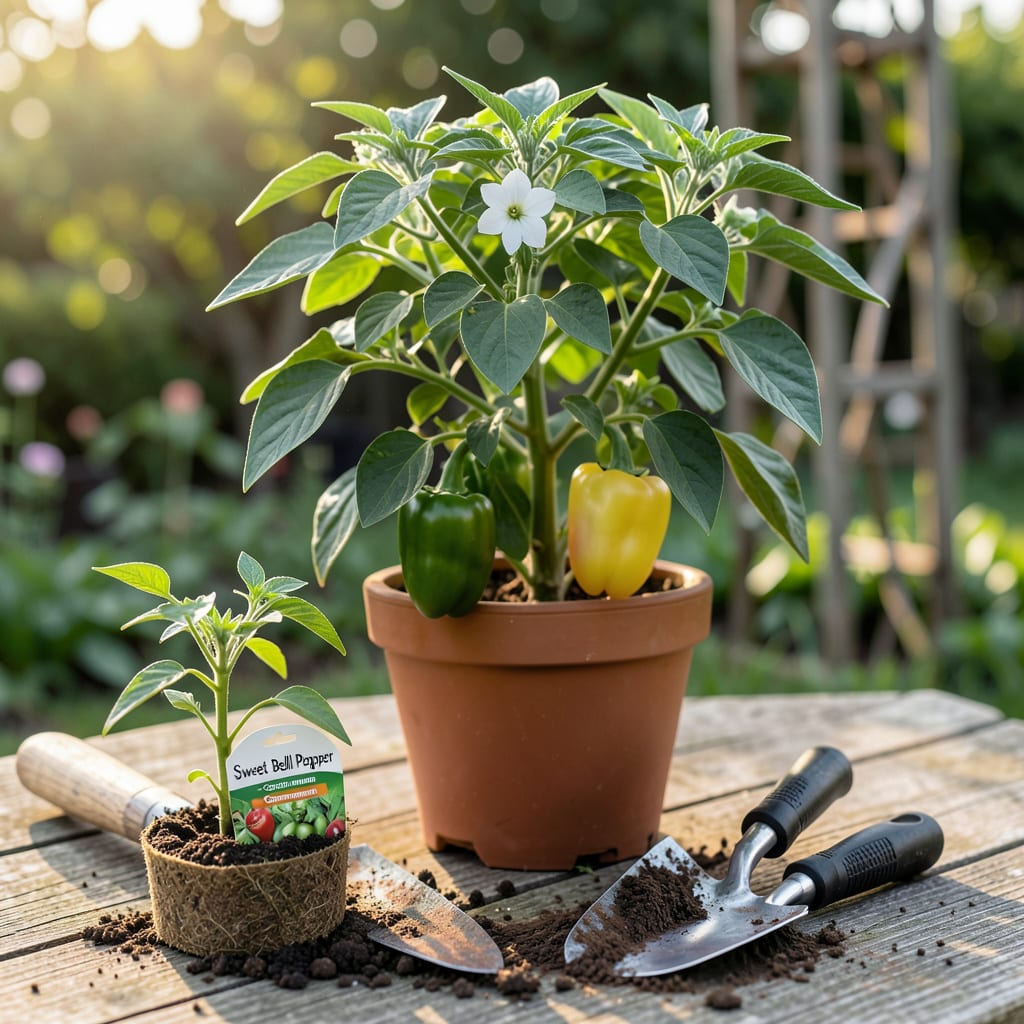
Timing your 🌶️ Pepper planting in Virginia can mean the difference between a thriving harvest and a disappointing one. Plant too soon, and a late frost might wipe out your seedlings. Wait too long, and you’ll miss the window for those juicy summer peppers.
After years of testing and tweaking, I’ve nailed down the exact frost-free dates and strategies for Virginia’s zones 7a-8a. Whether you’re growing bell peppers or fiery jalapeños, I’ll show you how to get it right—no guesswork needed.
If you’ve ever lost pepper seedlings to a surprise late Virginia frost, you know timing isn’t just important—it’s everything. Virginia’s diverse climate, spanning USDA zones 6a-8a, means your planting window shifts dramatically from the coastal plains to the Blue Ridge Mountains. 🌱
In Tidewater and Hampton Roads, you might dodge frost by mid-April, while gardeners in Roanoke or Shenandoah Valley often wait until early May. The secret? Track your local last frost date—then add a 2-week buffer for peppers, which despise cold soil. ☀️
| Region | USDA Zone | Avg. Last Frost | Safe Transplant Date | Indoor Start Date |
|---|---|---|---|---|
| Coastal (Virginia Beach, Norfolk) | 8a | April 1–10 | April 15–25 | Feb 1–15 |
| Piedmont (Richmond, Charlottesville) | 7a-7b | April 10–20 | April 25–May 5 | Feb 15–25 |
| Mountains (Roanoke, Staunton) | 6b-7a | April 20–May 1 | May 5–15 | Feb 20–March 1 |
| Southwest (Bristol, Abingdon) | 6a-7a | April 25–May 5 | May 10–20 | Feb 25–March 10 |
Note: Soil temp must be ≥60°F for transplanting. Use a soil thermometer to confirm!
Here’s the kicker: Soil temperature trumps air temperature for peppers. Even if air temps hit 70°F, cold soil (below 60°F) stunts growth. I use a black plastic mulch to warm beds faster—it can gain you 2+ weeks in cooler zones like Zone 6a. 🌡️
For jalapeños and cayennes, which need 120+ days to mature, starting seeds indoors by late February is non-negotiable. Bell peppers (90–100 days) can wait until early March in most zones. Pro tip: Use a heat mat to maintain 70–80°F soil for germination. 🌿
Virginia’s humid summers also demand attention. Space plants 18–24 inches apart to prevent fungal diseases like powdery mildew. In urban heat islands (e.g., Arlington, Alexandria), peppers may need afternoon shade to avoid sunscald. ✂️
Watch for microclimates—a south-facing slope in Loudoun County might be 10°F warmer than a low-lying area in Fredericksburg. Use tools like the Virginia Tech Mesonet to track hyperlocal frost data. I’ve seen May 10 frosts in Zone 6b, so always have frost cloth handy! ❄️
If you’re pushing the season, succession planting works wonders. Plant a second crop of fast-maturing peppers (like ‘Early Jalapeño’) in late June for a fall harvest. Just ensure they’ll mature before your first frost (typically October 10–20). 🪴
Remember: Pepper plants hate cold feet. Even a light frost (32°F) can kill them. If the forecast dips below 40°F, cover plants with row fabric or bring containers indoors. I lost a whole crop in Zone 7a to a April 28 frost—don’t make my mistake! 💧
For the most precise timing, plug your zip code into the Virginia Cooperative Extension’s frost calculator. And if you’re in Zone 8a, you might sneak in a third planting in late July for a
Starting your 🌶️ pepper seeds indoors is the secret to beating Virginia’s short growing season. With our last frost dates often stretching into mid-April or May, giving peppers a 8-10 week head start indoors ensures they’re ready to thrive once transplanted. 🌱
I’ve found that jalapeños and cayennes (which need 120+ days to mature) must be started by late February in most zones. Bell peppers can wait until early March, but don’t delay—slow-growing varieties need every day of Virginia’s 180-day frost-free window. ☀️
Pro Tip: Label trays with variety and date—pepper seedlings look identical!
Virginia’s unpredictable springs mean you’ll need to harden off seedlings for 7–10 days before transplanting. Start by placing them outdoors in dappled shade for 2 hours, gradually increasing exposure. Avoid windy days—pepper stems are brittle! 🌬️
Watch for overwatering, the #1 killer of indoor pepper starts. Seedlings need consistent moisture, but soggy soil causes root rot. I use a spray bottle to mist gently until germination, then switch to bottom-watering. Yellow leaves? That’s a sign you’re loving them too much with water! 💧
If your seedlings become leggy (tall and spindly), they’re not getting enough light. Move grow lights to 2–3 inches above plants and run them for 14+ hours daily. In Zone 6a, where springs are cooler, I add a small fan on low to strengthen stems—just 10 minutes twice a day works wonders. 🪴
Transplant outdoors only after soil temps hit 60°F—use a soil thermometer to check. In cooler zones (6a-7a), black plastic mulch can warm soil faster. Space plants 18–24 inches apart and bury stems slightly deeper than their pots to encourage stability. ✂️
For container gardeners, choose pots at least 5 gallons for full-sized peppers. Dwarf varieties (like ‘Lunchbox’) thrive in 3-gallon pots. Use a well-draining potting mix with added perlite, and fertilize every 4–6 weeks with a balanced 10-10-10. 🌿
Even experienced gardeners can sabotage their 🌶️ pepper harvest by overlooking Virginia’s unique challenges. After years of trial and error (and a few heartbreaking losses), I’ve pinpointed the three biggest mistakes that’ll derail your pepper plants before they even get started. 🌱
The first blunder? Ignoring soil temperature. Peppers aren’t just frost-sensitive—they refuse to grow in soil below 60°F. I’ve seen gardeners in Zone 7a transplant too early because air temps hit 70°F, only to watch their seedlings sit stagnant for weeks. ☀️
Bonus Tip: In humid summers, space plants 24 inches apart to improve airflow and reduce fungal risks.
Another common mistake is underestimating microclimates. Your neighbor’s pepper plants might thrive while yours struggle—all because of a 5-degree difference caused by a fence, building, or slope. In Northern Virginia, I’ve measured 10°F variations within the same yard! 🌡️
Virginia’s humid summers also create perfect conditions for powdery mildew and blossom-end rot. The fix? Water deeply but infrequently (1–2 inches per week) and mulch with straw to keep soil splashing off leaves. In Zone 8a, where heat lingers, I switch to drip irrigation to keep foliage dry. 💧
Finally, don’t overlook variety selection. Slow-maturing peppers like ‘Carolina Reaper’ need 150+ daysZone 6a without indoor starts. Stick to ‘Early Jalapeño’ (70 days) or ‘Ace Bell’ (60 days) for reliable harvests. I learned this the hard way after losing a crop of ‘Habaneros’ to an early frost! ✂️
In Zone 8a (coastal areas), you can transplant as early as mid-April if soil temps hit 60°F. For Zones 6b-7a (Piedmont/mountains), wait until early to mid-May to avoid late frosts. Always check local forecasts!
You can, but you’ll limit your options to fast-maturing varieties like ‘Early Jalapeño’ (70 days). For most peppers, starting seeds indoors 8-10 weeks before transplanting ensures a full harvest before fall frosts arrive.
Cover plants with frost cloth or plastic row covers when temps dip below 40°F. For containers, move them indoors or to a garage. Avoid plastic sheets touching foliage—it can cause cold damage.
Use black plastic mulch to absorb heat or lay clear plastic over beds for 2-3 weeks before planting. Raised beds also warm faster. A soil thermometer is essential—don’t guess!
Stick to ‘Ace Bell’ (60 days), ‘Early Jalapeño’ (70 days), or ‘Hungarian Wax’ (65 days). Avoid slow growers like ‘Carolina Reaper’ unless you start seeds by late February indoors.
