
Beautiful Plants For Your Interior
Beautiful Plants For Your Interior
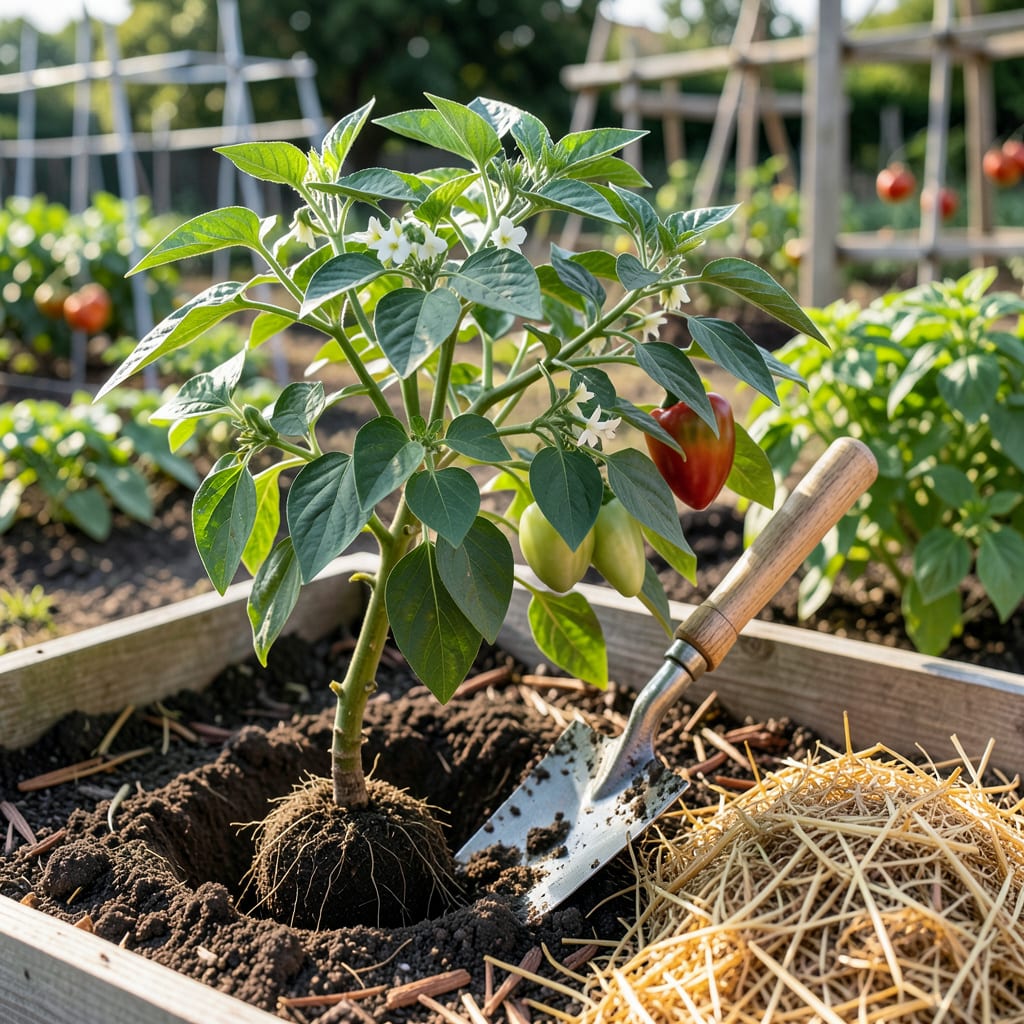
Texas gardeners know the struggle: plant your 🌶️ peppers too early, and a late frost might wipe out your seedlings. Wait too long, and the brutal summer heat could fry your plants before they bear fruit. The difference between a lackluster harvest and a bumper crop often comes down to just a few weeks.
I’ve studied Texas’s diverse climate zones—from the Panhandle to the Gulf Coast—and discovered the precise planting windows that work. Whether you’re in Dallas or Houston, I’ll show you exactly when to get those pepper seeds in the ground for a season full of vibrant, flavorful harvests.
If you’ve ever wondered why your neighbor’s jalapeños thrive while yours struggle, the answer often lies in Texas’ diverse climate zones. Our state spans USDA zones 6–10, meaning planting times vary dramatically from the Panhandle’s chilly springs to the Gulf Coast’s mild winters.☀️
I always tell gardeners: Soil temperature trumps calendar dates. Peppers need 70°F+ soil to germinate and grow. In North Texas (Zone 8), that might mean waiting until mid-April, while Houston gardeners (Zone 9) can start in late February. Let’s break it down by region.🌱
| Region | USDA Zone | Start Indoors | Transplant Outdoors | Last Frost Date |
|---|---|---|---|---|
| Panhandle (Amarillo) | 6-7 | Feb 15–Mar 1 | Apr 20–May 5 | April 15 |
| North Texas (Dallas) | 8a | Jan 20–Feb 5 | Mar 20–Apr 5 | March 15 |
| Central Texas (Austin) | 8b | Jan 10–Jan 25 | Feb 20–Mar 10 | February 15 |
| Gulf Coast (Houston) | 9a | Dec 15–Jan 10 | Jan 20–Feb 10 | January 30 |
| South Texas (Brownsville) | 10a | Nov 15–Dec 15 | Dec 20–Jan 20 | December 15 |
Data source: Texas A&M AgriLife Extension, adjusted for 2024 climate trends.
Notice how South Texas gardeners can plant peppers in winter? That’s because their first frost comes in December, while Panhandle growers must wait until late April. I recommend using a soil thermometer—they’re cheap and save countless seedlings from cold shock.🌡️
For jalapeños and serranos, which handle heat better than bell peppers, you can push planting 1–2 weeks earlier in warmer zones. But beware: Habaneros need consistent warmth—don’t transplant them until nights stay above 55°F. I learned this the hard way after losing a whole crop to a late cold snap!🌿
Here’s my pro tip for clay soil (looking at you, DFW and Houston): Mix in 3 inches of compost and 1 inch of sand before planting. This improves drainage and warms the soil faster. For sandy West Texas soil, add peat moss to retain moisture during those 100°F+ summers.💧
If you’re in Zone 6–7, consider black plastic mulch to warm soil 2–3 weeks earlier. In Zone 9–10, shade cloth becomes essential by June—peppers stop setting fruit above 90°F. I use 30% shade cloth for my Carmen peppers and get harvests well into October.✂️
For fall planting (yes, it’s possible!), start seeds in July for Zone 8–10. Transplant in August when temperatures dip below 95°F. This trick gives me a second harvest before first frost. Just be sure to use row covers if nights drop below 40°F.🌷
Remember, microclimates matter! If you’re in Austin’s Hill Country, your planting dates may align more with Zone 7 despite the Zone 8 label. Always check your specific frost dates and watch the 10-day forecast
Even with perfect timing, I’ve seen Texas gardeners ruin their pepper crops by making three common mistakes. The first is ignoring soil preparation, especially in our notorious clay-heavy regions. Without proper amendments, water pools around roots, leading to rot.🌱
Second, many underestimate how Texas heat affects fruiting. When temperatures exceed 90°F, most pepper varieties stop setting fruit—they’ll grow leaves but no peppers! This is why my Dallas friends get frustrated when their plants look healthy but produce nothing.☀️
Fix these, and you’ll double your harvest! Data from Texas A&M trials.
The third critical error is overwatering in clay soil. I see this constantly in Houston and San Antonio where gardeners drown their peppers thinking they need daily water. The truth? Peppers hate wet feet. Stick your finger 2 inches deep—if it’s moist, wait to water.💧
Here’s my zone-specific fix for heat stress: In North Texas (Zone 8), use black plastic mulch to warm soil early, then switch to straw mulch by June to cool roots. For Gulf Coast gardeners (Zone 9), raised beds with pine bark fines improve drainage during monsoon season.🪴
Don’t forget about pollination problems in extreme heat! When temps hit 100°F+, pepper flowers often drop. I combat this by hand-pollinating with a small paintbrush in the early morning. Also, avoid high-nitrogen fertilizers after flowering—they promote leaves, not peppers.✂️
Finally, watch for blossom-end rot—those ugly brown spots on peppers. This isn’t a disease but a calcium deficiency caused by uneven watering. I add crushed eggshells to planting holes and maintain consistent moisture. In West Texas, where water is scarce, drip irrigation is non-negotiable.🌿
Not all peppers can handle the Texas heatwave, but I’ve tested varieties that thrive where others wilt. For North Texas gardeners, ‘NuMex Heritage Big Jim’ produces massive chilies even in 100°F summers. Meanwhile, Gulf Coast growers swear by ‘Carmen’—a sweet Italian pepper that keeps producing when others quit.🌶️
If you’re in West Texas with its low humidity, try ‘TAM Mild Chile’ developed by Texas A&M. It’s drought-tolerant and produces 50+ peppers per plant. For container gardeners in apartments, ‘Lunchbox’ peppers stay compact while pumping out snack-sized sweet peppers all season.🪴
Pro tip: All varieties need afternoon shade in July–August.
To extend your season, I use succession planting in East Texas. Start ‘Early Jalapeño’ seeds in January, then plant ‘Mucho Nacho’ in June for fall harvests. In South Texas, you can grow peppers year-round with row covers for winter protection and shade cloth for summer.☀️
For renters or small spaces, 5-gallon containers work surprisingly well. Use ‘Patio Fire’ or ‘Snackerbell’ varieties—they stay under 2 feet tall but produce full-sized peppers. Just ensure containers have drainage holes and use a lightweight potting mix with extra perlite.💧
My secret for fall peppers? Start seeds in July under grow lights, then transplant in late August when temps dip below 95°F. Use row covers if nights drop below 50°F. This gives me fresh peppers until Thanksgiving in Zone 8. For Zone 9–10, you can often harvest peppers through Christmas!🌿
Peppers need soil temps above 70°F to thrive. In cooler Texas regions, use black plastic mulch to warm soil faster. A simple soil thermometer helps avoid planting too early.
Yes! In Zone 10 (Brownsville area), you can plant peppers fall through winter. Use row covers for occasional cold snaps and shade cloth during peak summer heat.
When temps exceed 90°F, peppers stop producing. Use 30-50% shade cloth in summer afternoons. Drip irrigation keeps roots cool without wetting leaves, which prevents sunburn.
Start seeds indoors in July, then transplant in late August when temps dip below 95°F. This gives a second harvest before frost. Use row covers if nights drop below 50°F.
Try ‘NuMex Heritage’ (huge chilies) or ‘Carmen’ (sweet Italian). For drought-prone areas, ‘TAM Mild Chile’ (Texas A&M bred) thrives with minimal water. Avoid standard bells—they struggle above 90°F.
