
Beautiful Plants For Your Interior
Beautiful Plants For Your Interior
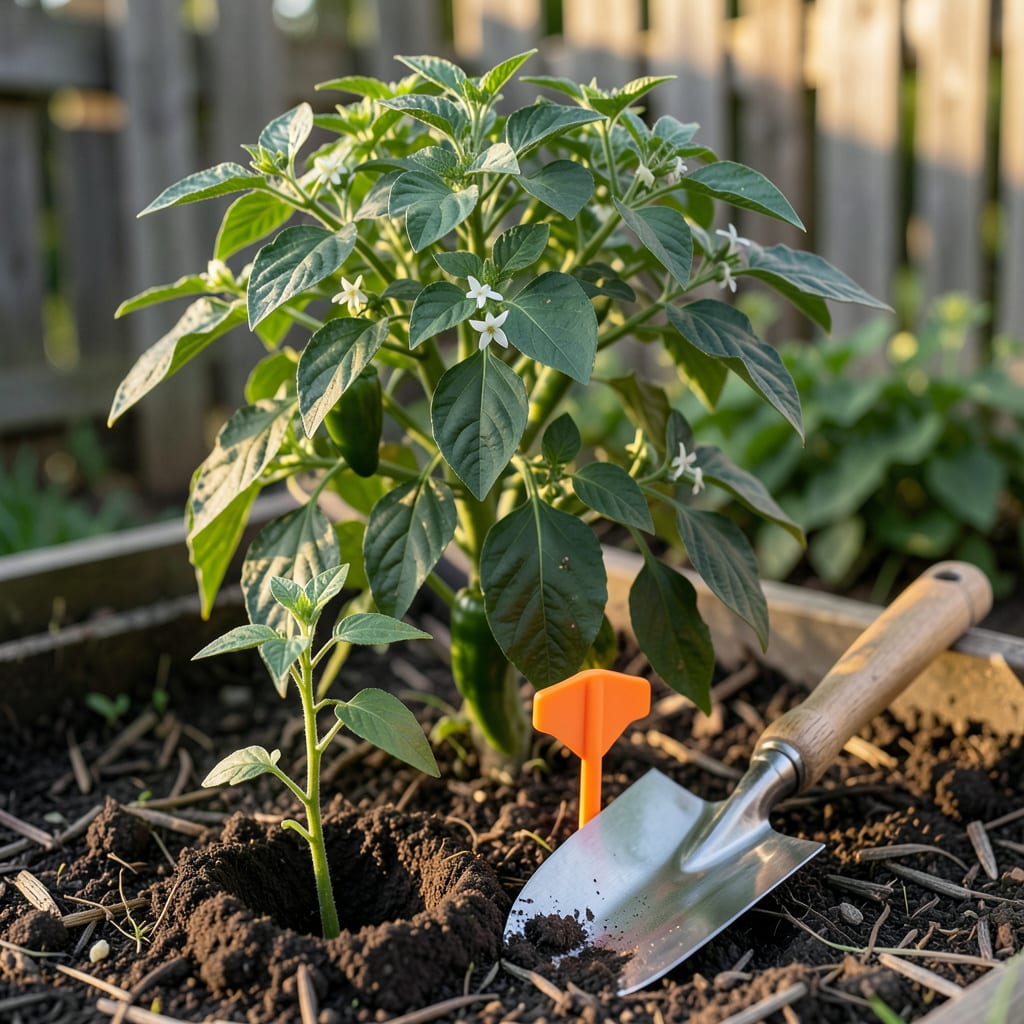
Timing your 🌶️ Pepper planting in Tennessee can mean the difference between a bountiful harvest and a disappointing season. Plant too early, and a late frost could wipe out your seedlings. Wait too long, and you’ll miss the window for those juicy, sun-ripened peppers.
I’ve tested the ideal planting windows across Tennessee’s zones, and what I found might surprise you. Whether you’re in Memphis or the Smokies, I’ll show you exactly when to start seeds indoors and transplant outdoors—so you get faster growth and bigger yields without the guesswork.
If you’ve ever wondered why your neighbor’s peppers thrive while yours struggle, it often comes down to planting timing. Tennessee’s climate varies dramatically—from the cooler Cumberland Plateau to the warmer Mississippi Delta. That’s why I’ll break down the ideal windows for each zone.
Peppers are heat-loving plants, but they’re also sensitive to frost. In Tennessee, the key is waiting until soil temps hit 60°F and the last frost has passed. For most of the state, that means mid-April to early May for transplanting outdoors. But let’s get zone-specific.
| Zone | Last Frost Date | Start Indoors | Transplant Outdoors | Notes |
|---|---|---|---|---|
| 5b-6a | April 15–20 | Feb 15–Mar 1 | May 1–15 | Use row covers for early starts in East TN. |
| 6b-7a | April 1–15 | Feb 1–Feb 15 | April 15–30 | Middle TN’s moderate climate is ideal for peppers. |
| 7b-8a | March 15–30 | Jan 15–Jan 31 | April 1–15 | West TN’s longer season allows earlier planting. |
Adjust dates by 1–2 weeks for microclimates (urban areas, river valleys).
For East Tennessee (Zone 6a), I recommend starting seeds indoors by mid-February and transplanting after April 20. The Cumberland Plateau stays cooler longer, so don’t rush it. Use a soil thermometer—if it’s below 60°F, wait!
In Middle Tennessee (Zone 7a), you’ve got more flexibility. I’ve had great success transplanting bell peppers and jalapeños by late April. Just watch for late frosts—keep frost blankets handy until early May. The Nashville Basin warms up faster than the surrounding hills.
West Tennessee (Zone 7b-8a) is the earliest region. Gardeners in Memphis can often transplant by mid-April. But don’t let the warm days fool you—check nighttime temps. Peppers hate cold snaps below 50°F.
For all zones, soil prep is critical. Peppers thrive in well-draining, loamy soil with a pH of 6.0–6.8. I mix in compost and a balanced fertilizer (like 10-10-10) before planting. If your soil is heavy clay, consider raised beds.
If you’re growing hot peppers like cayennes or habaneros, remember they need a longer season. Start them 2–3 weeks earlier indoors than bells or bananas. In cooler zones, opt for fast-maturing varieties like ‘Early Jalapeño’ or ‘Lunchbox’ peppers.
Pro tip: Use black plastic mulch to warm the soil faster in spring. I’ve seen it boost soil temps by 5–10°F, which can mean earlier planting and bigger harvests. Just lay it down 2–3 weeks before transplanting to let the sun do its work.
Finally, keep an eye on the 10-day forecast before transplanting. If nights dip below 55°F, hold off or use cloches. Peppers grow slowly in cool weather, and stunted plants produce fewer fruits. Patience pays off!
Want to get a jumpstart on your 🌶️ pepper harvest in Tennessee? With our state’s unpredictable springs, even a few extra weeks can mean bigger yields and hotter flavors. Here’s how I push the season boundaries safely.
Peppers thrive in warmth, but Tennessee’s late frosts and cool soils can delay planting. The trick is to warm the environment—not just the air. I’ve tested these methods in my own garden, and they’ve given me harvests 2–3 weeks earlier than neighbors.
Combine methods for best results—e.g., mulch + row covers = 2+ weeks earlier planting.
For West Tennessee gardeners, black plastic mulch is my top recommendation. Lay it over raised beds in early March, and you’ll be transplanting by April 1—no problem. Just secure the edges with garden staples so wind doesn’t steal your heat!
In Middle Tennessee, I swear by row covers for jalapeños and banana peppers. Drape them over hoops or stakes at transplanting, and you’ll protect plants from late April chills. Remove covers once daytime temps hit 85°F to avoid pollination issues.
For East Tennessee’s cooler zones, Wall-o-Waters are game-changers. I’ve used them to transplant habaneros in early May without frost damage. Fill the tubes ¾ full with water—they absorb sun by day and release heat by night. Remove them once plants touch the top.
Don’t forget variety selection! For early harvests, I love ‘Early Jalapeño’ (60 days), ‘Lunchbox’ (snack peppers, 65 days), and ‘Ace’ bell peppers (70 days). These mature faster than standard varieties, giving you a head start. Pair them with heat-extending tools for a June harvest!
Finally, harden off plants properly before transplanting. Even with season extenders, peppers need 7–10 days to acclimate. Start with 1–2 hours of sun/day, gradually increasing. Skip this step, and you’ll see shocked, stunted plants—no matter how early you planted.
Even experienced gardeners can mess up pepper planting in Tennessee. The biggest mistake I see? Ignoring soil temperature. Air temps might feel warm, but if the soil’s below 60°F, your peppers will just sit there—stunted and sad.
Another classic error is trusting the calendar over the forecast. Tennessee’s last frost dates are averages, not guarantees. I’ve lost count of how many gardeners jump the gun after a warm March, only to lose plants to a late April freeze. Always check the 10-day forecast before transplanting.
*Fix these, and you’ll avoid 90% of pepper failures in Tennessee!
I’ve also seen gardeners in West Tennessee assume their warm climate means they can plant anytime. Wrong! Nighttime temps matter more than daytime highs. If nights dip below 55°F, peppers grow painfully slow. Use row covers until nights warm up.
Then there’s the “bigger is better” trap. Giant heirloom peppers sound tempting, but varieties like ‘Jimmy Nardello’ (90 days) often fail to mature in Tennessee’s shorter seasons. Instead, I recommend ‘Early Jalapeño’ (60 days) or ‘Ace Bell’ (70 days) for reliable harvests.
Finally, don’t forget microclimates. A south-facing slope in Knoxville warms up faster than a shaded valley. I use a cheap soil thermometer ($10 on Amazon) to check temps at 6-inch depth—the gold standard for accurate readings. No guesswork!
For most zones, begin indoors 8-10 weeks before your last frost date. In West TN (Zone 7b-8a), start as early as mid-January. East TN gardeners should wait until mid-February to avoid leggy seedlings.
Use a soil thermometer to check temps at 6-inch depth. Peppers need 60°F minimum, but 70°F+ is ideal. Morning readings are most accurate—cool nights can drop temps significantly.
It’s risky. While peppers love heat, July-August plantings often fail to mature before first frost. For fall harvests, transplant by early July in West TN or mid-June in East TN. Choose fast varieties like ‘Early Jalapeño’.
Use floating row covers or Wall-o-Water tepees for 20°F protection. For unexpected freezes, cover plants with blankets or cardboard before sunset. Remove covers by 10 AM to prevent overheating.
Opt for disease-resistant types like ‘Carmen’ (Italian sweet) or ‘TAM Mild Jalapeño’. Avoid thick-fleshed bells in high-humidity areas—they’re prone to blossom-end rot. Thin-walled varieties dry faster, reducing fungal risks.
