
Beautiful Plants For Your Interior
Beautiful Plants For Your Interior
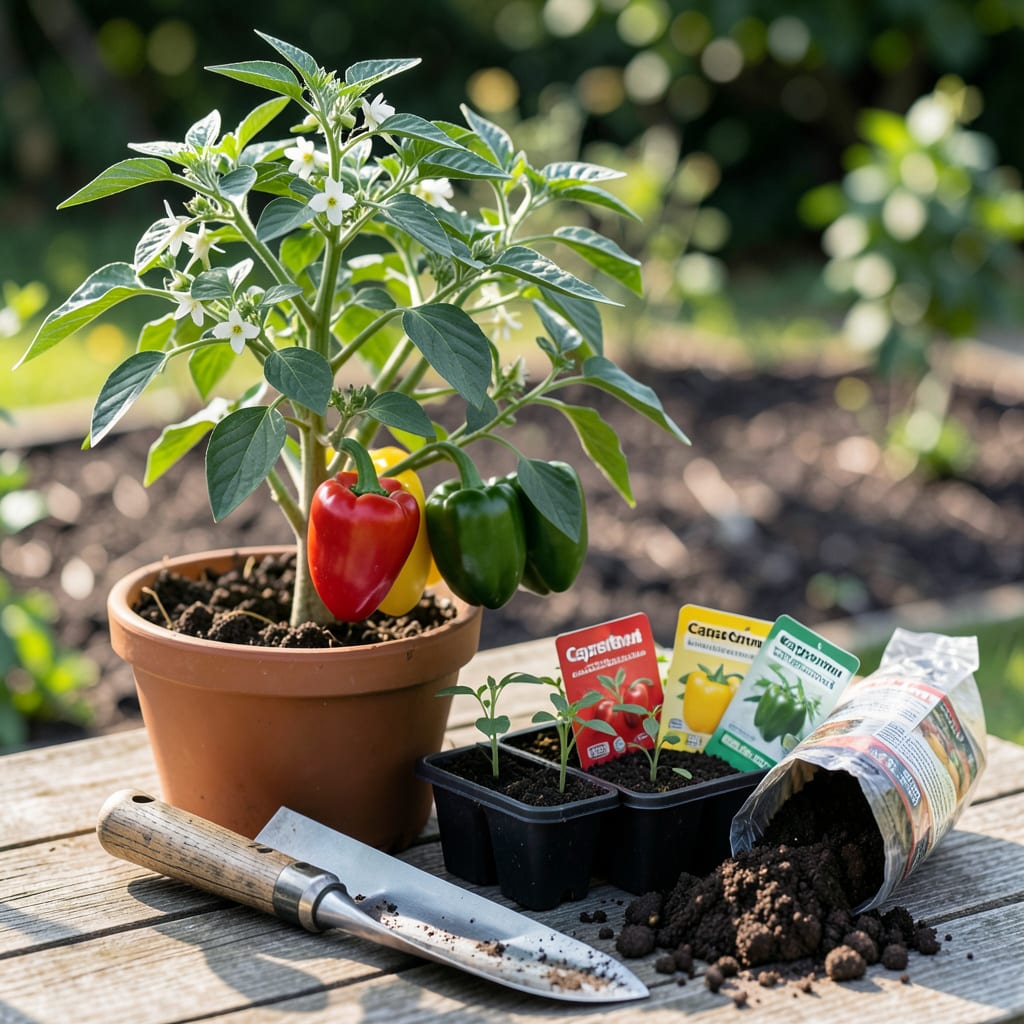
Timing your 🌶️ Pepper planting in Pennsylvania can mean the difference between a thriving harvest and a disappointing season. Plant too early, and late frosts might wipe out your seedlings. Wait too long, and you’ll miss out on those juicy summer yields.
After years of testing what works in zones 6a-7b, I’ve nailed down the perfect window—plus the tricks to stretch your season. Whether you’re growing fiery habaneros or sweet bell peppers, I’ll show you exactly when to start seeds indoors and when to transplant for a bountiful harvest.
If you’re growing peppers in Pennsylvania, timing is absolutely critical. Our state spans USDA Zones 5-7, meaning last frost dates can vary by weeks. I always recommend starting seeds indoors 8-10 weeks before your local last frost date to give plants a head start. 🌱
For most PA gardeners, mid-May to early June is the sweet spot for transplanting. But don’t just watch the calendar—check your soil temperature too. Peppers need consistent 60-70°F soil to thrive, which often lags behind air temperatures in spring. ✂️
| Zone | Last Frost Date | Start Seeds Indoors | Transplant Outdoors | Early Varieties |
|---|---|---|---|---|
| Zone 5 (NW PA) | May 10 | Feb 20 – Mar 10 | May 25 – June 5 | Jalapeño, Early Bell |
| Zone 6 (Central PA) | April 25 | Feb 5 – Feb 25 | May 10 – May 20 | Shishito, Banana |
| Zone 7 (SE PA) | April 15 | Jan 25 – Feb 15 | May 1 – May 15 | Poblano, Hungarian Wax |
*Soil temp must be 60°F+ for transplanting. Use black plastic mulch to warm soil faster in cooler zones.
I’ve found that early-maturing varieties like ‘Jalapeño M’ or ‘Bell Boy’ work best in PA’s shorter growing season. These typically mature in 60-70 days, giving you a better chance of harvest before fall frosts. For hotter peppers like habaneros, stick to Zone 7 or use season-extending tricks. ☀️
Don’t forget about soil preparation! Peppers thrive in well-draining soil with a pH between 6.0-6.8. I mix in 2-3 inches of compost before planting and add a balanced fertilizer at transplanting. This gives roots the perfect environment to establish quickly. 💧
If you’re in a cooler microclimate (like the Poconos), consider using row covers or black plastic mulch to warm the soil. These can give you a 2-3 week head start on the season. Just
For container gardeners in urban areas like Philadelphia or Pittsburgh, you can push the season even further. I’ve successfully grown peppers in 5-gallon containers on sunny patios, moving them indoors during unexpected cold snaps. Just ensure containers have drainage holes to prevent root rot. 🪴
One mistake I see PA gardeners make is planting peppers too close together. Give each plant 18-24 inches of space for proper air circulation. This helps prevent fungal diseases like powdery mildew, which thrives in our humid summers. ✂️
Remember that nighttime temperatures are just as important as daytime warmth. Peppers struggle when nights dip below 50°F. If you’re planting early, keep an eye on the 10-day forecast and be ready with frost protection. 🌬️
For those in Zone 5 areas, I recommend starting with transplants rather than seeds if you’re new to pepper growing. Local nurseries typically carry varieties already acclimated to our climate. Look for stocky plants with dark green leaves and no flowers yet—these transplant best. 🌿
Want to squeeze every possible pepper from your plants? In Pennsylvania’s unpredictable climate, extending your growing season is all about working with our short springs and early falls. I’ve tested these methods in my own garden, and they consistently add 2-4 weeks to my harvest window. 🌱
Start your peppers indoors 8-10 weeks before your last frost date. I use a south-facing window with a grow light for 12-14 hours daily. This gives seedlings the strong start they need. For Zone 5 gardeners, this means starting seeds as early as late February for May transplanting. ☀️
For urban gardeners in Philadelphia or Pittsburgh, balcony containers work surprisingly well. I’ve grown ‘Patio Fire’ peppers in 3-gallon pots on my apartment balcony. The key is using lightweight potting mix and fertilizing every 2 weeks with a balanced formula. 🪴
Don’t underestimate the power of microclimates in your yard. A south-facing wall or paved area can be 5-10°F warmer than open garden spaces. I plant my heat-loving habaneros against my garage wall, and they always outperform plants in open beds. 🌡️
If you’re in cooler Zone 5 areas like Erie, consider using wall o’ water protectors. These water-filled tepees surround young plants, absorbing heat during the day and releasing it at night. They’ve helped me transplant 2 weeks earlier than recommended dates. 💧
For fall extension, watch nighttime temperatures closely. When nights drop below 50°F, cover plants with frost blankets or bring containers indoors. I’ve kept pepper plants alive until Thanksgiving using this method in protected locations. ✂️
Remember that consistent watering becomes even more critical when extending seasons. Container plants may need daily water in summer heat, while mulched in-ground plants do well with deep weekly watering. Always water at the base to prevent fungal issues. 🌿
Even experienced gardeners can stumble when growing peppers in Pennsylvania’s finicky climate. After helping dozens of PA gardeners troubleshoot their pepper problems, I’ve identified the most common mistakes that sabotage harvests. The good news? They’re all easily avoidable once you know what to watch for. 🌱
One of the biggest errors I see is planting too early when soil temperatures are still below 60°F. Peppers originated in tropical regions, so cold soil causes stunted growth and poor fruit set. Always use a soil thermometer—don’t guess! In Zone 5 areas, I’ve seen gardeners lose entire plants to late frosts after rushing to transplant. ✂️
Another frequent issue is improper watering. Peppers need consistent moisture, but soggy soil leads to root rot. I use the finger test—stick your finger 1 inch deep. If it’s dry, water deeply. In containers, check daily during heat waves. Many PA gardeners underwater during July’s dry spells, causing blossom end rot. 💧
Soil preparation gets overlooked more than you’d think. Peppers thrive in loose, fertile soil with plenty of organic matter. I mix in 2-3 inches of compost and a handful of balanced fertilizer before planting. Heavy clay soil? Amend with perlite or sand to improve drainage. Without this, plants struggle to establish roots in our compacted PA soils. 🌿
Many gardeners forget that pepper varieties have different needs. Hot peppers like habaneros need longer seasons than sweet bells. In Zone 5, I recommend sticking to early varieties (60-70 days) like ‘Early Jalapeño’ or ‘Lunchbox’. Trying to grow 90-day habaneros often leads to disappointment when frost hits early. Always check your seed packet’s days to maturity. ⏰
Finally, don’t neglect pest prevention. Pennsylvania’s humid summers create perfect conditions for aphids and pepper maggots. I spray plants with neem oil every 2 weeks and use yellow sticky traps for early detection. Catching problems early means you won’t lose your entire crop to pests in August. 🪲
Begin 8-10 weeks before your last frost date. For Zone 5, that’s late February to early March. Zone 6 gardeners can start in early February, while Zone 7 can begin in late January. Use grow lights for 12-14 hours daily to prevent leggy seedlings.
Peppers need soil consistently above 60°F, with 70°F being ideal. Use a soil thermometer to check—don’t rely on air temperature. In cooler zones, black plastic mulch can warm soil 2-3 weeks faster than bare ground.
Use 5-gallon containers with drainage holes and lightweight potting mix. Place in full sun (6+ hours) and fertilize every 2 weeks. Move pots indoors during cold snaps. Dwarf varieties like ‘Patio Fire’ or ‘Lunchbox’ work best for small spaces.
This often happens when night temperatures drop below 50°F or exceed 85°F. In PA, late spring/early fall temperature swings can cause this. Try hand-pollinating with a small brush or use row covers to stabilize temperatures.
For Zone 5, plant by early June; Zone 6 by mid-June; Zone 7 by late June. Choose fast-maturing varieties (60-70 days) like ‘Early Jalapeño’ or ‘Bell Boy’. Use season extenders like row covers to push the window further.
