
Beautiful Plants For Your Interior
Beautiful Plants For Your Interior
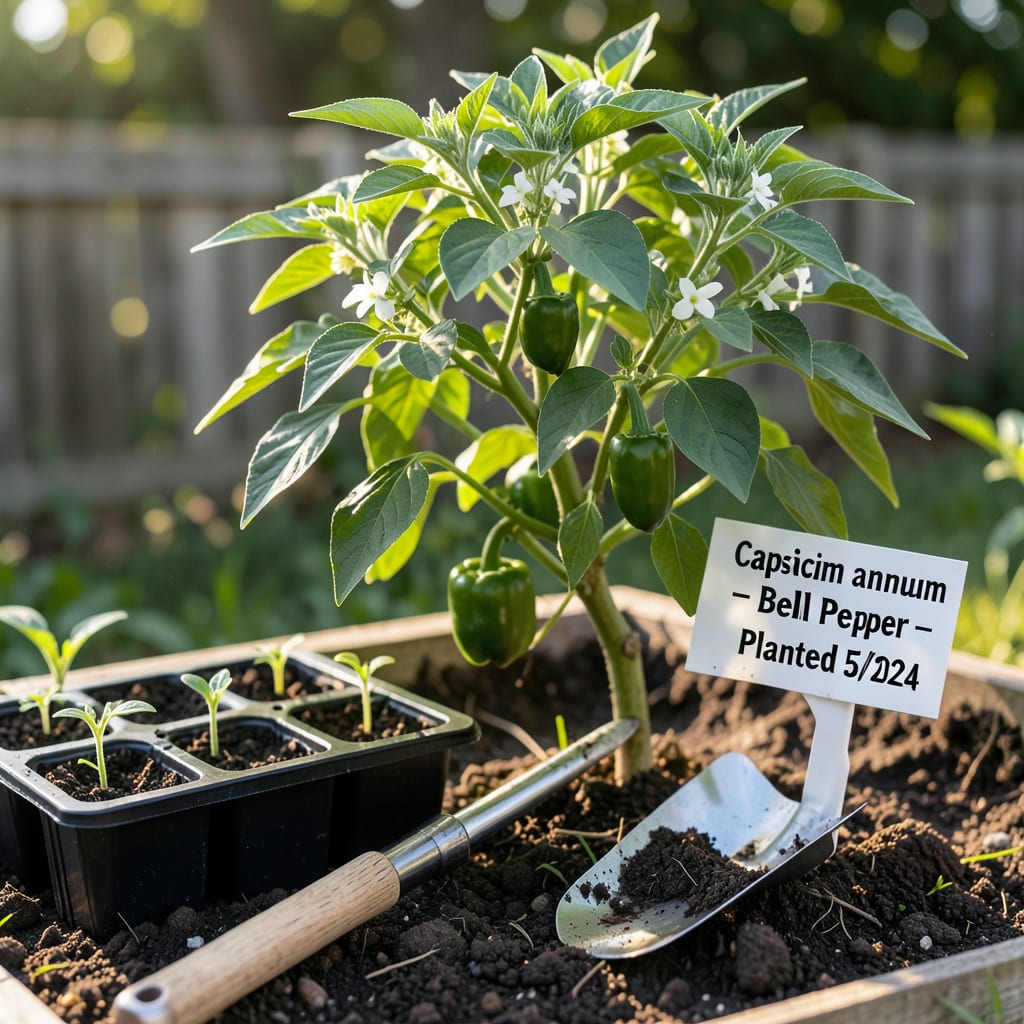
Timing your 🌶️ Pepper planting in Ohio can mean the difference between a thriving harvest and a disappointing season. Our unpredictable springs make it tricky—plant too early, and frost might wipe out your seedlings; wait too long, and you’ll miss the perfect growing window.
After years of testing and tweaking, I’ve nailed down the ideal schedule for Ohio’s climate. Whether you’re in Cleveland or Cincinnati, I’ll show you exactly when to start seeds indoors, transplant outdoors, and protect your plants for a bountiful harvest. Let’s get it right this year.
Getting your 🌶️ pepper planting schedule right in Ohio starts with understanding our USDA zones 5-6. The key is working backward from our last frost date—typically around May 15 in most regions. I always start my seeds indoors 8-10 weeks before that target date.
Northern Ohio gardeners (like those near Cleveland) need to be extra cautious, as frost can linger until late May. Meanwhile, southern regions (Cincinnati area) might get a 1-2 week head start. Either way, soil temperature is your best guide—peppers won’t thrive until it hits 60°F consistently.
| Stage | Northern Ohio | Southern Ohio |
|---|---|---|
| Start Seeds Indoors | March 15 – April 1 | March 1 – March 15 |
| Hardening Off | May 1 – May 10 | April 20 – May 1 |
| Transplant Outdoors | May 15 – June 1 | May 1 – May 15 |
| First Harvest | July 15 – August 1 | July 1 – July 15 |
| Last Harvest | September 15 – October 1 | September 1 – September 15 |
I always recommend using a heat mat when starting seeds indoors—it keeps the soil consistently warm at 70-80°F, which peppers love. Once your seedlings have 2-3 true leaves, it’s time to pot them up into larger containers. This gives roots room to grow before transplanting.
The hardening off process is critical in Ohio. About 10 days before transplanting, I start exposing my seedlings to outdoor conditions gradually. Begin with 2 hours in shade, increasing daily. This prevents transplant shock when they finally go into the ground.
When transplanting, choose a sunny spot with well-draining soil. I amend my beds with compost and a balanced fertilizer (like 10-10-10). Space plants 18-24 inches apart—crowding leads to poor air circulation and disease. Always water deeply after planting to help roots establish.
Ohio’s weather can be unpredictable, so I keep row covers handy for those surprise late frosts. They also help warm the soil early in the season. For container gardeners, black plastic pots absorb heat better than terra cotta, giving your peppers an extra warmth boost.
Remember that microclimates matter! Urban areas and spots near buildings or pavement may warm up faster. I’ve found that peppers planted near a south-facing wall often mature 1-2 weeks earlier than those in open gardens. Use this to your advantage in shorter-season areas.
For the best harvest, I feed my peppers every 3-4 weeks with a low-nitrogen fertilizer once they start flowering. Too much nitrogen gives you lush foliage but fewer peppers. And don’t forget to mulch—it keeps soil moist and suppresses weeds that compete with your plants.
By following this schedule and watching your local weather, you’ll be harvesting plump, flavorful peppers all summer long. The secret is patience—don’t rush planting just because the calendar says it’s time. Let the soil temperature be your guide, and you’ll avoid many common pepper-growing pitfalls.
Even experienced gardeners can sabotage their 🌶️ pepper harvest with simple oversights. Ohio’s finicky climate makes timing everything, and I’ve seen too many well-intentioned gardeners lose plants to preventable errors. The good news? Most mistakes are easy to fix once you know what to watch for.
One of the biggest issues I see is ignoring soil temperature. Many gardeners focus on air temperature, but peppers need 60°F+ soil to thrive. Planting in cold soil stunts growth and invites disease. Always use a soil thermometer—it’s my #1 tool for pepper success.
Ohio’s last frost isn’t always predictable. I’ve lost countless seedlings to late frosts. Always have row covers or cloches ready, even if the calendar says it’s safe. Northern Ohio gardeners should wait until May 20 to be extra safe.
Moving seedlings straight from indoors to the garden causes transplant shock. I harden off my peppers for 7-10 days, gradually increasing sun exposure. Start with 2 hours of morning sun, adding an hour daily while watching for wilting.
Ohio’s growing season is 150 days max. Avoid peppers needing 90+ days to mature. I stick with quick producers like ‘Early Jalapeño’ (60 days) or ‘Lunchbox’ (55 days). Check seed packets carefully—days to maturity are printed right on the package.
Peppers hate soggy roots. I water seedlings only when the top inch of soil feels dry. Use containers with drainage holes and empty saucers after watering. Yellowing leaves often mean too much water, not too little. Let them dry out slightly between waterings.
Your yard has hot and cold spots. I’ve found peppers near south-facing walls or pavements mature 2 weeks earlier. Use this to your advantage in cooler areas. Conversely, low spots collect cold air—avoid planting peppers in frost pockets.
Another common issue is crowding plants. Peppers need 18-24 inches of space for proper air circulation. I’ve seen gardeners pack plants too closely, leading to fungal diseases. Follow spacing guidelines on seed packets—it’s tempting to squeeze in extra plants, but you’ll sacrifice yield and health.
Fertilizer mistakes also plague Ohio gardeners. Many use high-nitrogen fertilizers that produce lush foliage but few peppers. Switch to a low-nitrogen, high-phosphorus fertilizer (like 5-10-10) when flowers appear. I feed my peppers every 3-4 weeks during growing season for best results.
Don’t forget about pest prevention. Aphids and pepper maggots love Ohio gardens. I spray my plants with neem oil every 2 weeks as a preventive. Check undersides of leaves weekly—catching pests early makes treatment much easier. Healthy plants resist pests better, so proper care is your first line of defense.
Finally, many gardeners harvest too early or late. Peppers should be firm and glossy with full color. I use the thumbnail test—if the skin resists slight pressure, it’s ready. Leaving them too long causes softness and attracts pests. Most varieties produce continuously if harvested regularly, so don’t be shy about picking!
By avoiding these common mistakes, you’ll see healthier plants and bigger harvests. Remember that Ohio’s climate varies—what works in Cincinnati might need adjustment in Cleveland. Keep notes each year to refine your approach. With attention to these details, you’ll be enjoying homegrown peppers all season long. 🌱
Choosing the right 🌶️ pepper varieties makes all the difference in Ohio’s 150-day growing season. Our climate demands fast-maturing plants that can handle temperature swings. I’ve tested dozens of varieties and found these perform best in our zones 5-6 conditions.
For early-season success, focus on varieties that mature in 60-70 days. These give you a head start and often produce until frost. Sweet peppers like ‘Lunchbox’ (55 days) and ‘Gypsy’ (60 days) are my go-tos—they’re productive and handle cooler nights better than most.
For hot pepper lovers, ‘Hungarian Wax’ (65 days) and ‘Cayenne’ (70 days) reliably produce in Ohio. They handle our humidity better than many super-hots. I’ve had great luck with ‘Thai Hot’ (75 days) in containers—it’s compact and thrives in pots on sunny patios.
Container gardening extends your options. I grow ‘Patio Fire’ (60 days) in 5-gallon buckets—it stays under 2 feet tall but pumps out fiery little peppers. Remember that container plants need more frequent watering, especially in Ohio’s July heat. Use pots with drainage and elevate them for better airflow.
To maximize your harvest window, use season extenders. I cover early plantings with floating row covers to gain 2-3 weeks. In fall, black plastic mulch helps soil retain warmth. For a continuous supply, stagger plantings: start 1/3 of seeds every 2 weeks through May. This ensures peppers at different stages all season.
Don’t overlook heirloom varieties adapted to short seasons. ‘King of the North’ (65 days) is a cold-tolerant bell pepper I swear by for northern Ohio. For something unique, try ‘Fish Pepper’ (70 days)—it’s historic, productive, and handles our climate beautifully. Always save seeds from your best performers to adapt varieties to your specific microclimate over time.
Wait until after May 15 in most northern areas like Cleveland. I recommend checking soil temperature—it should be at least 60°F before transplanting. Use row covers if you’re eager to plant earlier.
It’s risky in Ohio’s short season. Starting seeds indoors 8-10 weeks before last frost gives plants a head start. If direct sowing, choose fast-maturing varieties and wait until soil is 70°F+.
Keep floating row covers or cloches handy. Cover plants in late afternoon before temperatures drop. Remove covers by 10 AM to prevent overheating. Wall O’ Water devices also work well for individual plants.
Start 10 days before transplanting. Begin with 2 hours in shade, gradually increasing to full sun. Watch for wilting—if it occurs, reduce exposure time. Bring plants inside if nights drop below 50°F.
Focus on disease-resistant varieties like ‘Gypsy’ or ‘Hungarian Wax’. They handle humidity better than most. For containers, try ‘Patio Fire’—it thrives in pots and resists foliar diseases.
