
Beautiful Plants For Your Interior
Beautiful Plants For Your Interior
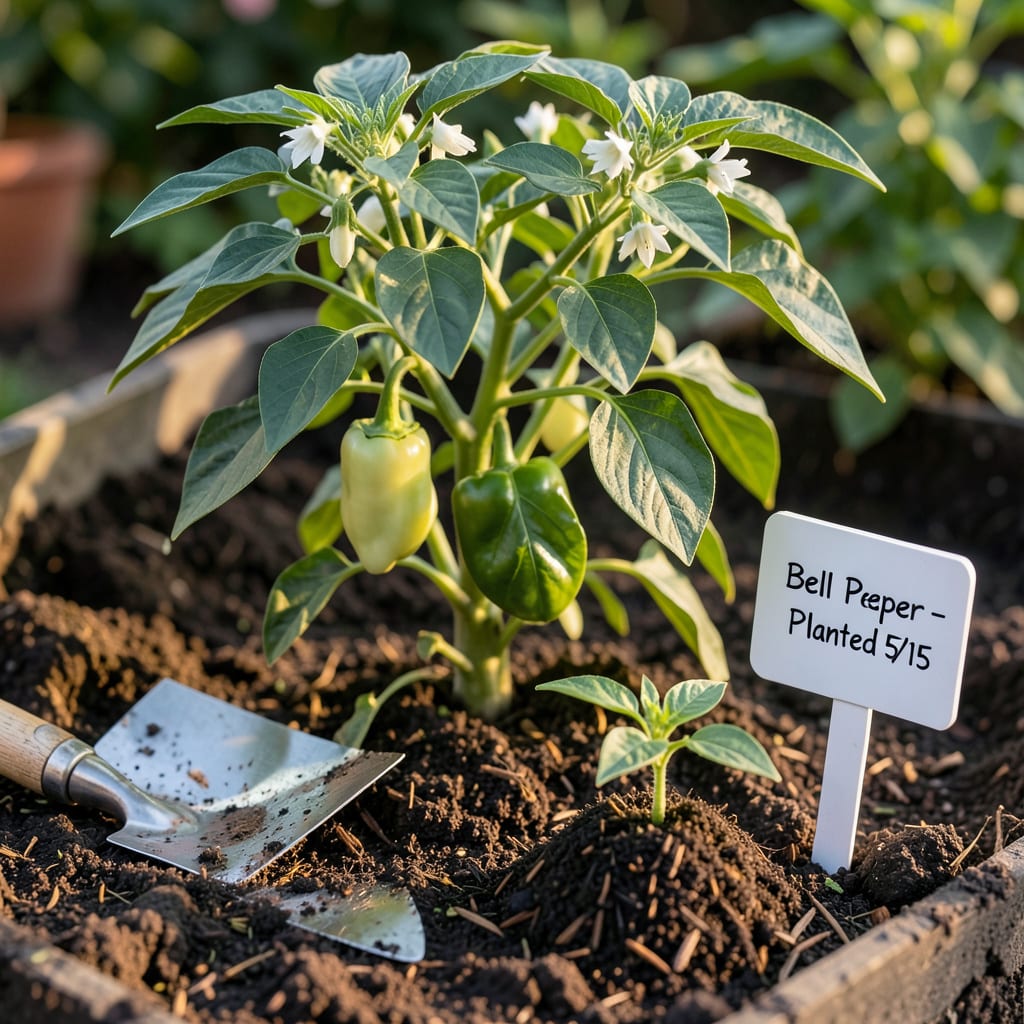
Timing your 🌶️ pepper planting in North Carolina can mean the difference between a lackluster harvest and a basket overflowing with vibrant jalapeños or crisp bell peppers. I’ve seen too many gardeners jump the gun in early spring, only to lose tender seedlings to a sneaky late frost.
Here’s the good news: with the right schedule—tailored to whether you’re in the Piedmont, mountains, or coastal plain—you can sidestep those mistakes. I’ll break down the optimal windows for starting seeds indoors and transplanting outdoors, so your peppers thrive from April through October. Let’s get it right this year.
If you’ve ever wondered why your neighbor’s jalapeños thrive while yours struggle, it often comes down to planting timing. North Carolina’s diverse climate means what works in Asheville’s mountains won’t fly in Wilmington’s coastal heat. I’ll break down the exact windows for each region.
First, let’s talk soil temperature—the secret weapon for pepper success. These heat-lovers need 60°F+ soil to germinate and grow. Even if air temps feel warm, cold soil stunts growth. That’s why I always use a soil thermometer before planting.
| Region | Last Frost Date | Start Indoors | Transplant Outdoors | First Frost Date |
|---|---|---|---|---|
| Mountains | May 10 | March 15–April 1 | May 20–June 5 | September 20 |
| Piedmont | April 15 | February 20–March 10 | April 25–May 15 | October 15 |
| Coastal | March 30 | February 1–February 20 | April 10–May 1 | November 1 |
*Adjust dates by ±1 week for microclimates (urban areas warm faster).
In the mountain regions, I’ve learned to wait until late May for transplanting—even if stores sell plants earlier. Those cold mountain nights can shock tender pepper seedlings. Use row covers if you must plant early.
The Piedmont’s middle ground offers more flexibility. Here, I start bell peppers indoors by March 1 and transplant by May 1. This region’s 180-day season is perfect for both fast-maturing (60 days) and heirloom varieties (90+ days).
Coastal gardeners get a head start—but watch the humidity. I plant hot peppers like cayenne earlier here since they thrive in heat. Just ensure good airflow to prevent fungal issues in the muggy summers.
For all regions, here’s my pro tip: Use black plastic mulch to warm soil faster in spring. This trick gives me 2-week earlier planting in cooler zones. Remove it once temps consistently hit 80°F to avoid overheating roots.
Don’t forget about varietal timing. Early varieties like ‘Carmen’ (60 days) work well in mountains, while long-season peppers like ‘Jimmy Nardello’ (90 days) shine in the Piedmont. Always check your seed packet for “days to maturity.”
I rely on NC State Extension’s planting calculator for hyper-local dates. Their tool accounts for elevation changes and urban heat islands. Bookmark it—it’s saved my peppers more than once from unexpected late frosts.
Remember, these dates are guidelines, not rules. Last year, I lost half my habaneros to a late April frost in Raleigh. Now I always keep frost blankets handy until mid-May, no matter what the calendar says.
Your best tool? A $10 soil thermometer. I check temps at 8AM for 3 days straight before planting. If it reads 60°F+ consistently, you’re good to go. Anything lower, and your peppers will just sulk in the ground.
🌡️I’ve seen even experienced gardeners make costly pepper-planting mistakes in North Carolina. The most common? Ignoring soil temperature and rushing to plant when stores stock seedlings. Remember, air temperature ≠ soil temperature—your peppers care about the latter.
Another biggie is misjudging frost dates. I once lost an entire flat of habanero seedlings to a surprise late April frost in Durham. The Piedmont’s April 15 last frost date is an average, not a guarantee. Always have frost protection ready through early May.
⚠️ Pepper Planting Pitfalls in NC
*Coastal gardeners: Elevate plants or use drip irrigation to reduce humidity issues.
Let’s talk about hardening off—the step too many gardeners skip. I move my pepper seedlings outside for increasing time over 7 days: 2 hours first day, up to 8 hours by day 7. This prevents transplant shock, which can stunt growth for weeks.
Watering mistakes are another yield-killer. After transplanting, I water deeply once, then wait until the top inch of soil dries. Overwatering causes root rot, while underwatering leads to blossom end rot. The sweet spot? 1-2 inches per week, delivered at soil level.
Spacing matters more than you think. I plant my bell peppers 18 inches apart and hot peppers 24 inches apart. Crowded plants compete for nutrients and airflow, inviting pests and diseases. In humid coastal areas, I even space them 30 inches apart to combat fungal issues.
Here’s a pro tip for mountain gardeners: Use raised beds or containers to warm soil faster. I line my raised beds with black landscape fabric in early spring to gain 2-3 weeks of growing time. Just remove it once temps hit 85°F to prevent root stress.
Finally, don’t forget about variety selection. Planting long-season peppers like ‘Fish Pepper’ (120 days) in the mountains is asking for trouble. Stick to fast maturers (60-70 days) like ‘Early Jalapeño’ or ‘Lunchbox’. Coastal gardeners can push the envelope with heat-lovers like ‘Carolina Reaper’ if they start indoors by January 15.
🌶️Not all peppers grow at the same pace, and in North Carolina, your growing zone dictates which varieties will thrive. I’ve tested dozens of types and found that days-to-maturity is the key factor—especially in our mountain regions with shorter seasons. Let’s match the right peppers to your NC location.
For mountain gardeners, focus on fast-maturing varieties (60-70 days). My top picks include ‘Early Jalapeño’ and ‘Lunchbox’, which produce abundant fruit even in our 150-day season. These compact plants also handle cooler nights better than their long-season cousins.
| Variety | Days to Maturity | Best For | Heat Tolerance | Yield Potential |
|---|---|---|---|---|
| Early Jalapeño | 60-65 days | Mountains, Piedmont | Moderate | High |
| Carmen | 60 days | All regions | High | Very High |
| Jimmy Nardello | 90 days | Piedmont, Coastal | High | High |
| Carolina Reaper | 120+ days | Coastal only | Extreme | Moderate |
*Start long-season varieties indoors by Jan 15 for coastal areas; Feb 1 for Piedmont.
In the Piedmont, you’ve got more flexibility. I grow both quick producers and heirloom varieties here. ‘Jimmy Nardello’ (90 days) is my favorite for its sweet flavor and prolific yields. For heat lovers, ‘Cayenne’ (70 days) thrives in our summer humidity.
Coastal gardeners can push the envelope with long-season peppers like ‘Carolina Reaper’ or ‘Ghost Pepper’. These need 120+ days but reward you with extreme heat and high yields in our long growing season. Just start seeds indoors by January 15.
Here’s my pro tip for variety selection: Always check the “days to maturity” on seed packets. In mountains, stick to 70 days or less. Piedmont can handle 70-90 days, while coastal areas can grow 90+ day varieties if started early indoors.
Don’t forget about succession planting! I sow a second crop of fast-maturing peppers in early July for a fall harvest. This works especially well in the Piedmont and coastal areas where our first frost comes late. Try ‘Shishito’ (60 days) for a quick late-season crop.
🌶️Wait until after April 15—the average last frost date for the Piedmont. I always hold off until April 25 to be safe, especially if nighttime temps dip below 50°F. Use a soil thermometer to confirm temps stay above 60°F.
It’s risky. These need 120+ days to mature, but mountain zones often get frost by September 20. Stick to fast varieties like ‘Early Jalapeño’ (60 days) or start Reapers indoors by January 15 with grow lights.
Keep frost blankets or row covers handy until mid-May. I use 5-gallon buckets or milk jugs (with vents) for small plants. Coastal gardeners can relax earlier, but Piedmont and mountain folks should stay alert through Mother’s Day.
Lay black plastic mulch 2-3 weeks before planting. This can raise soil temps by 5-10°F. I also use raised beds in mountains—they warm up quicker than ground soil. Remove plastic once temps hit 80°F to avoid root stress.
Yes! Urban “heat islands” can be 1-2 weeks earlier than rural spots. If you’re in Charlotte or Raleigh, you might plant 7-10 days sooner than surrounding areas. Always cross-check with a soil thermometer—not just calendar dates.
