
Beautiful Plants For Your Interior
Beautiful Plants For Your Interior
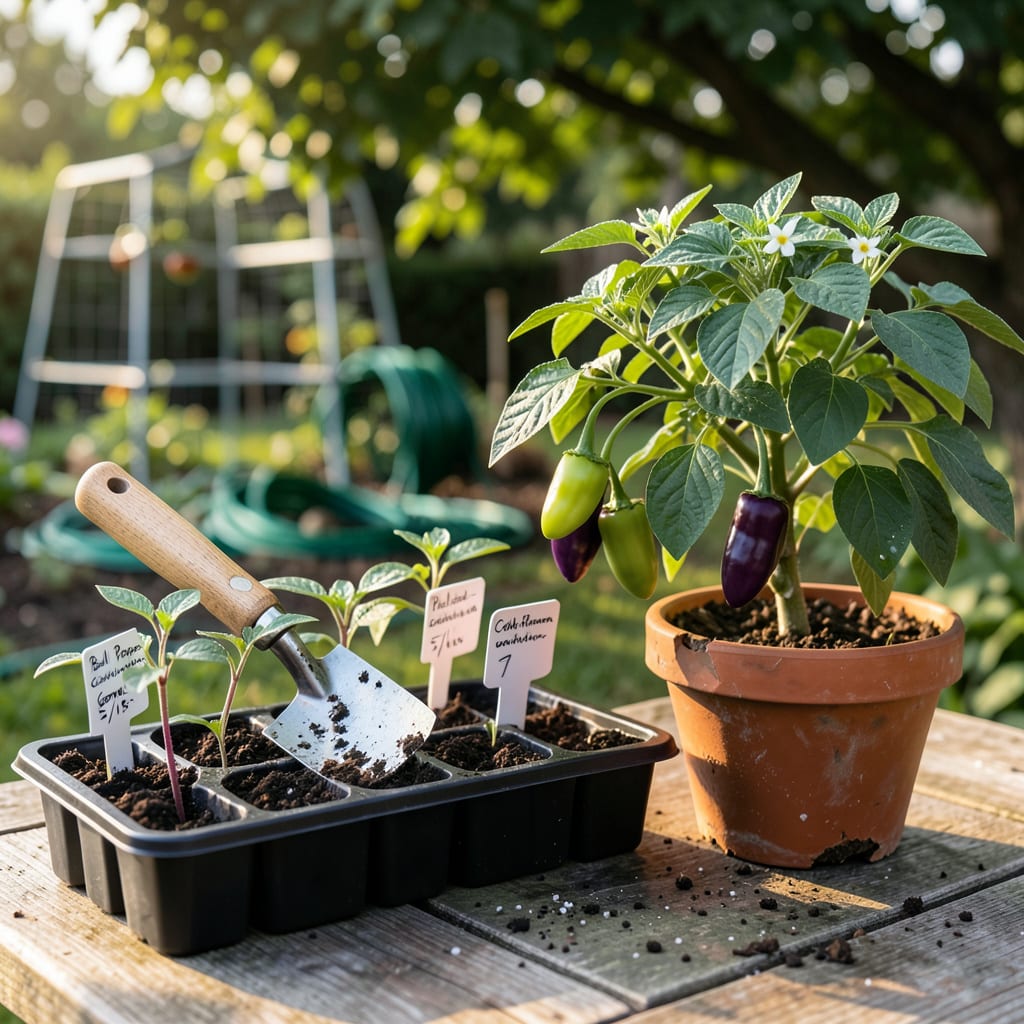
That first warm spring day in Kansas has you itching to get your 🌶️ peppers in the ground—but hold on. Plant too soon, and a late frost could ruin your entire crop. I’ve seen it happen too many times.
Timing isn’t just about the calendar—it’s about soil temps, microclimates, and your specific zone in 6a-7a. Stick with me, and I’ll show you exactly how to nail the planting window for juicy, thriving peppers all season long.
If you’re growing peppers in Kansas, your success hinges on one critical factor: last frost dates. Kansas spans USDA zones 5b–7a, meaning frost timelines vary dramatically from Wichita to Kansas City. I’ll help you decode the perfect planting windows for your exact location.
In most of Kansas, the average last frost hits around April 15, but northern regions (like Topeka) often see frost until early May. Southern areas (near Wichita) may be frost-free by late March. Always check your local frost dates before planting.
| Region | Last Frost Date | Start Indoors | Transplant Outdoors |
|---|---|---|---|
| Northern Kansas (Topeka) | May 1 | Late February | Mid-May |
| Central Kansas (Salina) | April 20 | Early March | Early May |
| Southern Kansas (Wichita) | April 1 | Mid-February | Late April |
Soil temp must be ≥60°F for transplanting. Use a soil thermometer to confirm.
For indoor seed starting, count backward 8–10 weeks from your last frost date. This gives seedlings enough time to develop strong roots before transplanting. I recommend using grow lights if natural light is limited.
When transplanting outdoors, wait until soil temperatures reach at least 60°F. Cold soil stunts growth and invites disease. Use a black plastic mulch to warm the soil faster in cooler regions.
Watch for late spring frosts, especially in northern Kansas. Keep row covers or cloches handy to protect young plants. Even a light frost can damage pepper leaves and set back your harvest.
Urban gardeners in Kansas City or Wichita may experience microclimates that are slightly warmer. If you’re in the city, you might plant 1–2 weeks earlier than rural areas. Always monitor local weather forecasts.
For the most accurate frost dates, consult the K-State Research and Extension office in your county. They provide hyper-local data and even offer soil testing to optimize your pepper patch.
Remember, peppers thrive in full sun (6–8 hours daily) and well-draining soil. Amend heavy clay soil with compost to improve drainage. A little prep work now means a bountiful harvest from July through October. 🌱
If you’re eager to extend the season, consider container gardening. Peppers in pots can be moved indoors during unexpected cold snaps, giving you more flexibility in Kansas’s unpredictable spring weather. 🪴
Not all peppers thrive equally in Kansas’s short growing season and variable climate. Choosing the right varieties—and timing their start—can mean the difference between a mediocre harvest and a bumper crop. Let’s break down the best options for your zone.
For northern Kansas gardeners (zones 5b–6a), focus on early-maturing varieties like ‘Early Jalapeño’ (60 days) or ‘Bell Boy’ (70 days). These will ripen before the first fall frost. Southern Kansas (zone 7a) can handle longer-season peppers like ‘Poblano’ (80 days) or ‘Hungarian Wax’ (75 days).
| Variety | Days to Maturity | Best For | Start Indoors |
|---|---|---|---|
| Early Jalapeño | 60 days | Northern Kansas | Late February |
| Bell Boy | 70 days | Containers, short seasons | Early March |
| Hungarian Wax | 75 days | Southern Kansas | Mid-February |
| Cayenne | 70 days | Drying, hot sauces | Early March |
Transplant outdoors 2–3 weeks after last frost when soil is ≥60°F.
For hot pepper lovers, ‘Cayenne’ (70 days) and ‘Serrano’ (75 days) are reliable choices. If you’re growing for stuffing or roasting, ‘Poblano’ (80 days) or ‘Anaheim’ (85 days) work well in southern Kansas’s longer season. Always check the days-to-maturity on seed packets.
To extend your season, use row covers or low tunnels. These can add 2–3 weeks of growing time in spring and fall. I’ve had success with ‘California Wonder’ bell peppers under row covers in zone 6a, harvesting until late October.
If you’re short on space, try dwarf varieties like ‘Lunchbox’ (65 days) or ‘Snackabelle’ (60 days). These compact plants thrive in 5-gallon containers and produce full-sized peppers. Just ensure pots have drainage holes to prevent root rot.
For organic gardeners, heirloom varieties like ‘Jimmy Nardello’ (90 days) or ‘Fish Pepper’ (90 days) offer unique flavors but need a longer season. Start these indoors by early February and use black plastic mulch to warm the soil faster outdoors.
Remember, pepper seedlings grow slowly at first. Keep them under grow lights for 14–16 hours daily until transplanting. Harden off plants for 7–10 days before moving them outside to reduce transplant shock. 🌱
Even experienced gardeners in Kansas can trip up when planting peppers. I’ve seen it all—from stunted seedlings to zero yields—because of avoidable mistakes. Let’s tackle the top five errors so you can sidestep them and grow thriving pepper plants this season.
First up: ignoring soil temperature. Peppers need soil at least 60°F to thrive. Planting in cold soil leads to weak, slow-growing plants. Always use a soil thermometer—don’t guess! I’ve lost count of how many gardeners assume “warm air” means “warm soil.”
Another big mistake: misjudging frost dates. Kansas weather is unpredictable—just because your neighbor planted early doesn’t mean you should. I’ve seen late April frosts wipe out entire pepper patches in Topeka. Always cross-check with K-State Extension for hyper-local frost data.
Overwatering is a silent killer. Peppers need consistent moisture, but soggy roots suffocate plants. Stick your finger in the soil—if the top inch is dry, it’s time to water. Use drip irrigation to keep foliage dry and prevent fungal diseases like powdery mildew.
Don’t forget hardening off! Moving seedlings straight from your cozy home to the harsh Kansas wind and sun causes transplant shock. Start with 1–2 hours of outdoor time daily, gradually increasing over a week. I like to place seedlings in dappled shade first, then full sun.
Finally, spacing matters. Crowded peppers compete for nutrients and airflow, inviting pests and diseases. Give each plant 18–24 inches of space. For container gardening, use 5-gallon pots per plant. Trust me—your peppers will thank you with bigger, healthier yields. 🌿
Begin 8–10 weeks before your last frost date. For most of Kansas, that means mid-February to early March. Use grow lights if natural sunlight is limited.
Use a soil thermometer—peppers need soil temps of at least 60°F. If you don’t have one, wait until 2–3 weeks after last frost (usually mid-May). Cold soil stunts growth.
Use 5-gallon pots with drainage holes and quality potting mix. Containers warm up faster in spring and can be moved indoors during unexpected cold snaps. Perfect for urban gardeners.
Planting too early is the #1 error. Kansas weather is unpredictable—even late April can bring frost. Always wait until soil is warm and frost risk has passed. Patience pays off!
Use row covers or low tunnels to add 2–3 weeks of growing time. In fall, covers protect plants from early frosts. Black plastic mulch also helps warm soil faster in spring.
