
Beautiful Plants For Your Interior
Beautiful Plants For Your Interior
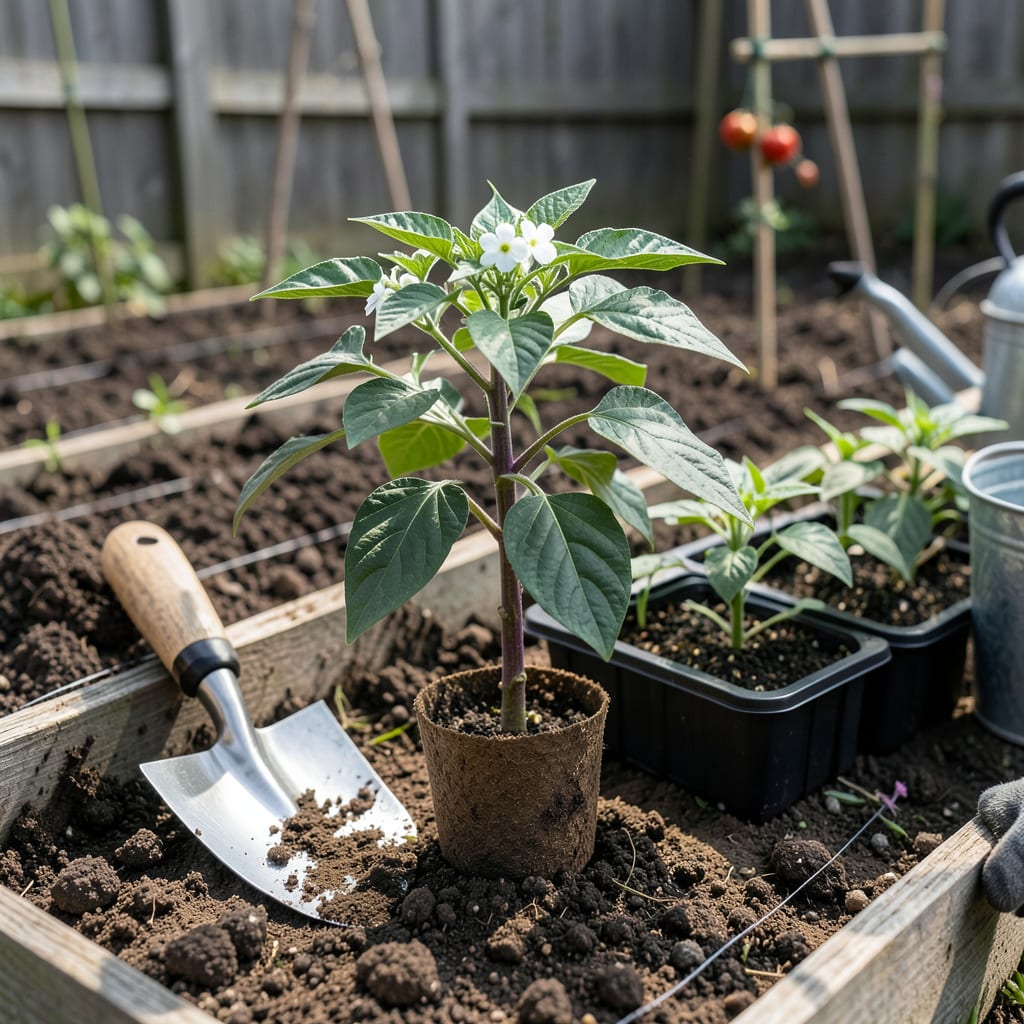
Georgia’s heat can make or break your 🌶️ pepper harvest—plant too soon, and a late frost might wipe out your seedlings. Wait too long, and the summer scorcher will stunt their growth before they even bear fruit.
After years of testing (and a few failed crops), I’ve nailed the perfect timing for Georgia’s zones 7b-9a. Whether you’re growing sweet bells or fiery habaneros, I’ll show you exactly when to start seeds indoors and transplant outdoors for a bounty that’ll make your neighbors jealous.
Georgia’s diverse climate means your pepper planting schedule depends heavily on where you live. In North Georgia (Zone 7b), you’ll need to wait until mid-April to transplant seedlings outdoors, while gardeners in South Georgia (Zone 9a) can start as early as late February. The key is timing your planting around the last frost date—and ensuring your soil stays warm enough.
Soil temperature is just as critical as air temperature. Peppers thrive when soil reaches at least 60°F, but they’ll grow faster in 65°F+. Use a soil thermometer to check, or warm your beds with black plastic mulch if you’re eager to get started. For those in Central Georgia (Zone 8a), aim for early April transplants, but be ready to cover plants if a late frost threatens.
| Region | USDA Zone | Last Frost Date | Start Seeds Indoors | Transplant Outdoors | Fall Planting Window |
|---|---|---|---|---|---|
| North Georgia | 7b | April 15 | Feb 1–15 | May 1–15 | July 15–Aug 1 |
| Central Georgia | 8a | April 1 | Jan 15–31 | April 15–30 | July 1–July 20 |
| South Georgia | 9a | March 15 | Jan 1–15 | March 15–April 1 | June 15–July 10 |
Note: Adjust dates by 1–2 weeks for urban heat islands (warmer) or rural valleys (cooler).
If you’re starting peppers from seed, begin 8–10 weeks before your last frost date. This gives seedlings enough time to develop strong roots before transplanting. For example, North Georgia gardeners should sow seeds in early February, while South Georgia gardeners can start in late December. Use a heat mat to maintain soil warmth and speed up germination.
For those who prefer buying transplants, look for stocky, dark green seedlings with no flowers or fruit yet. Transplanting too early—before soil warms—can shock plants and delay growth. If you must plant early, use row covers or cloches to protect young peppers from unexpected cold snaps. I’ve found that bell peppers and jalapeños handle early transplanting better than delicate varieties like habaneros.
Don’t overlook the “pepper pause” in Georgia’s summers. When temperatures soar above 90°F, pepper plants often stop setting fruit. This is why many gardeners plant a second crop in July for fall harvests. Varieties like ‘Carmen’ (a sweet Italian pepper) or ‘Fish’ (a hot pepper) thrive in late-season heat and produce well into October.
Microclimates matter too. If you garden in Atlanta’s urban core, your season may start 1–2 weeks earlier than in the North Georgia mountains. Conversely, low-lying areas near rivers or lakes might stay cooler longer. Always check your local frost dates via the UGA Cooperative Extension for hyper-local advice. Their Georgia Weather Network offers real-time soil temperature data.
For fall plantings, timing is even trickier. You’ll need to count backward from your first frost date to ensure peppers mature before cold weather hits. In North Georgia, aim to transplant by August 1 for varieties with 60–70 days to maturity. In South Georgia, you can push this to early September for faster-growing types like ‘Early Jalapeño’.
Soil prep can make or break your pepper season. A week before transplanting, work in 2–3 inches of compost and a balanced fertilizer (10-10-10). Peppers prefer slightly acidic soil (pH 6.0–6.8), so test your soil and amend with sulfur if needed. Raised beds warm up faster than in-ground plots, giving you a 2–3 week head start in cooler zones.
Finally, watch the 10-day forecast before planting. If nighttime temps dip below 50°F, hold off—peppers hate cold feet! I’ve lost entire crops to a late March frost in Central Georgia, so now I wait until nights stay above 55°F. When in doubt, use wall-o-water protectors or plant in containers you can move indoors if needed.
Even experienced gardeners can sabotage their 🌶️ pepper harvest by misjudging Georgia’s finicky seasons. The biggest blunder? Planting too early in hopes of a head start. I’ve seen March transplants wiped out by surprise frosts—even in Central Georgia. Always wait until soil temps hit 60°F and nights stay above 50°F.
Another common error is ignoring the “pepper pause”—that brutal stretch in July and August when temps exceed 90°F. Peppers stop setting fruit in extreme heat, but many gardeners panic and overwater or over-fertilize. Instead, provide afternoon shade and maintain consistent moisture. I use 30% shade cloth during heatwaves to keep plants productive.
Overlooking variety-specific heat tolerance is another costly mistake. Not all peppers handle Georgia’s humidity equally. ‘Sweet Banana’ peppers thrive in heat but need consistent water, while ‘Carolina Reaper’ plants often drop flowers in high humidity. I’ve had best luck with ‘Jalapeño M’ and ‘Cayenne’—both handle heat waves without missing a beat.
Many gardeners also forget to harden off seedlings properly before transplanting. Moving plants straight from indoor trays to Georgia’s intense sun and wind causes transplant shock. I harden mine over 7–10 days, gradually increasing exposure. Start with 2 hours of morning sun and work up to full days. Skipping this step can set plants back 2–3 weeks.
Fall planting presents its own challenges. The window is tight—especially in North Georgia—so gardeners often start too late. For a successful fall crop, transplant by early August and choose fast-maturing varieties (60–70 days). I love ‘Early Jalapeño’ for fall plantings; it reliably produces before first frost. Use row covers in late October to extend the season by 2–3 weeks.
Finally, don’t underestimate the impact of poor soil prep on timing. Peppers in compacted or nutrient-poor soil grow slowly, delaying harvests. Before planting, I mix in 3 inches of compost and 1 cup of balanced fertilizer per plant. This boosts early growth so plants reach maturity before heat or frost becomes an issue. A soil test (available through UGA Extension) reveals exactly what amendments your soil needs.
Timing isn’t just about dates—it’s about reading your plants and environment. I keep a gardening journal to track when my peppers first flower, when fruit sets, and how weather affects growth. This data helps me adjust planting dates each year. For example, I now start my ‘Habanero’ seeds 2 weeks later than bells because they grow slower in Georgia’s humidity.
Not all peppers can handle Georgia’s sweltering summers and humid conditions. After testing dozens of varieties, I’ve found the top 5 heat-proof champions that keep producing when others wilt. These peppers laugh at 95°F+ heat waves and thrive in our long growing season.
For sweet peppers, ‘Carmen’ is my go-to. This Italian bull’s horn type produces 8-inch fruits in just 60 days and keeps pumping out peppers until frost. It’s disease-resistant too, which is a lifesaver in Georgia’s humid summers. If you love heat, ‘Fish Pepper’ (a fiery heirloom) handles drought like a champ.
Tip: Heirlooms like ‘Fish Pepper’ often outperform hybrids in Georgia’s climate.
For container gardeners, ‘Shishito’ peppers are a game-changer. These mild, thin-walled peppers grow well in 5-gallon pots and produce 50+ peppers per plant. They’re perfect for patios and handle partial shade better than most varieties. I grow mine in fabric pots with a drip irrigation system to beat the heat.
If you’re after serious heat, ‘Cayenne’ peppers are my top recommendation. They thrive in Georgia’s climate, producing 4–6 inch pods all season. The plants are compact (2–3 feet tall), making them ideal for small spaces. For something milder, ‘Sweet Banana’ peppers are prolific and handle humidity well, though they need consistent watering.
Where you source your seeds matters too. I recommend Southern Exposure Seed Exchange for Georgia-adapted varieties. Their ‘Georgia Fire’ pepper is bred specifically for our climate. For transplants, check local nurseries in April—they’ll carry varieties proven to succeed in your exact region. Always ask if the plants are “Georgia-grown” for best results.
Remember, even heat-loving peppers need afternoon shade when temps hit 95°F+. I use 30% shade cloth from 1–4 PM in July and August. This simple trick can double your harvest by preventing sun scald and reducing water stress. Pair it with drip irrigation for the happiest pepper plants in Georgia.
In Zone 9a (South Georgia), you can transplant seedlings outdoors as early as mid-March if soil temps reach 60°F. Start seeds indoors by January 1 for best results.
When temps exceed 90°F, peppers enter a “pause” mode and drop flowers. Provide 30% shade cloth during peak heat (1–4 PM) and maintain even moisture to encourage fruiting.
Use 5-gallon pots with drainage and a drip irrigation system. Varieties like ‘Shishito’ thrive in containers and produce 50+ peppers per plant.
Cover transplants with row covers or wall-o-water protectors if temps dip below 50°F. Wait until mid-April for safest outdoor planting in Zone 7b.
