
Beautiful Plants For Your Interior
Beautiful Plants For Your Interior
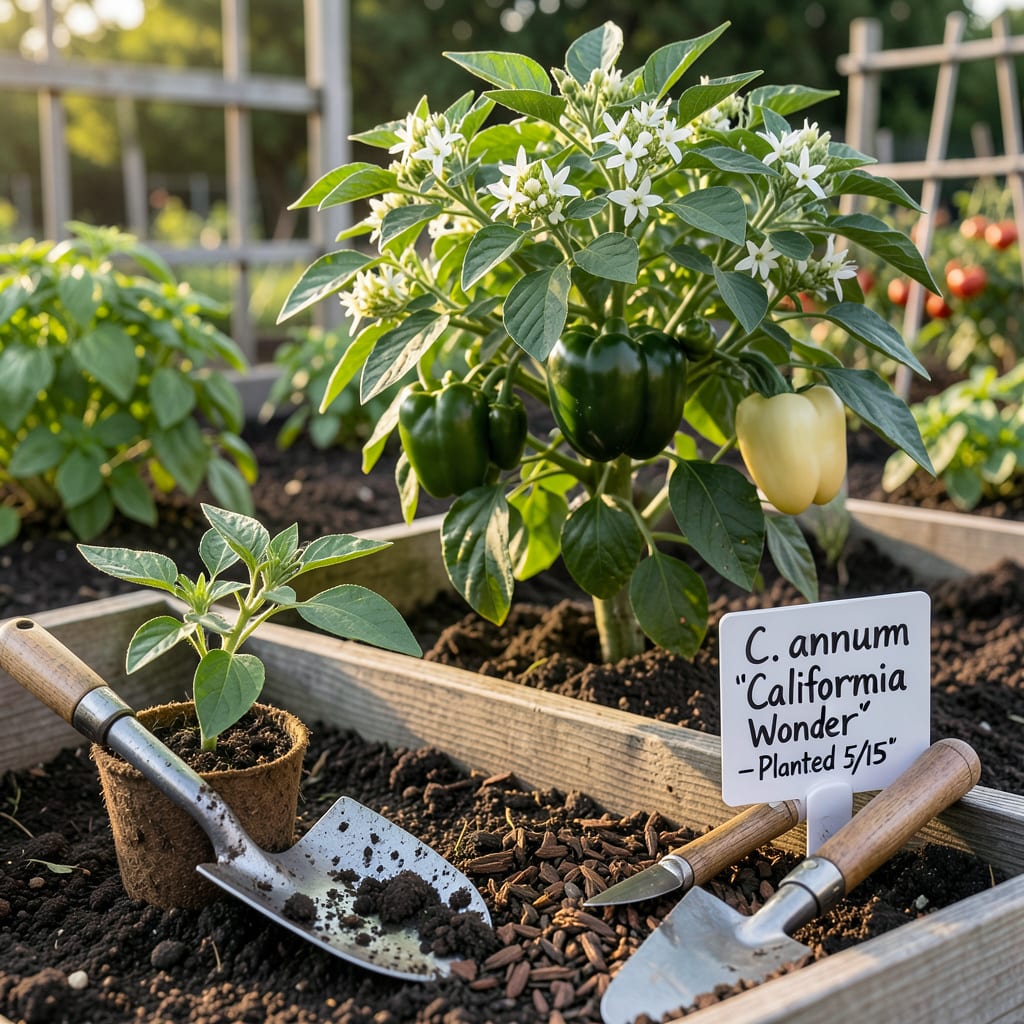
Timing your 🌶️ Pepper planting in Florida can mean the difference between a thriving harvest and a sun-scorched disappointment. Our state’s unique climate—with its steamy summers and mild winters—demands a strategy that’s as precise as it is practical.
I’ve tested the best planting windows across North, Central, and South Florida, and the results might surprise you. Whether you’re growing sweet bells or fiery habaneros, I’ll show you exactly when to get those seeds in the ground for a bumper crop—without the guesswork.
Florida’s unique climate means pepper planting isn’t a one-size-fits-all game. I’ve found that North Florida follows a cooler schedule, while Central and South Florida can push the envelope with earlier and later plantings. The secret? Watch those soil temperatures—peppers refuse to grow if it’s below 55°F at night.
In my experience, February through March is prime time for most of the state, but South Florida gardeners can sneak in a second crop in August or September. Coastal areas get a slight edge with milder temps, while inland spots need extra attention to heat stress and drought conditions.
| Region | Best Planting Window | Second Planting Option | Frost Considerations |
|---|---|---|---|
| North Florida (Zones 8b-9a) |
Feb 15–Mar 15 Start indoors Jan 1 |
Aug 15–Sep 1 For fall harvest |
Last frost: Jan 30 First frost: Dec 15 |
| Central Florida (Zones 9b-10a) |
Jan 15–Feb 28 Direct sow OK |
Jul 15–Aug 15 Heat-tolerant varieties |
Frost rare Watch for cold snaps |
| South Florida (Zones 10b-11a) |
Dec 15–Jan 31 Year-round possible |
Aug 1–Sep 30 Best for fall crop |
No frost Humidity management critical |
💡 Pro Tip: Coastal areas can plant 2 weeks earlier than inland due to milder temps.
For North Florida, I always recommend starting seeds indoors by early January to get a jump on the season. Transplant those 8-10 week old seedlings after the last frost date—usually around January 30th. If you miss that window, don’t panic: April plantings can still work with extra shade cloth and mulch.
Down in Central Florida, you’ve got more flexibility. I’ve had great success with direct sowing in late January, but container gardening lets you move plants if a cold snap hits. Remember, Jalapeños and Banana Peppers handle heat better than Bell Peppers in this zone. Always check the 10-day forecast before planting!
South Florida’s nearly frost-free climate is a pepper paradise—but the humidity and rainy season (June–October) can bring fungal diseases. I combat this by planting in raised beds with well-draining soil and using drip irrigation to keep foliage dry. Varieties like ‘Habanero’ and ‘Scotch Bonnet’ thrive here if given afternoon shade.
No matter where you are in Florida, soil temperature is your best friend. Use a soil thermometer—if it’s consistently above 60°F at 4 inches deep, you’re good to go. For those August plantings, I swear by 30% shade cloth to protect young plants from the brutal afternoon sun. It’s a game-changer for fall crops!
If you’re dealing with sandy soil (common in Florida), mix in compost and peat moss to improve water retention. Peppers need consistent moisture, but they’ll rot in soggy conditions. I aim for 1–2 inches of water per week, adjusting for rain. And don’t forget: mulch is non-negotiable to regulate soil temp and moisture.
For those tempted to plant in summer, I’ll save you the heartache—don’t. Peppers stop setting fruit when temps exceed 90°F consistently. Instead, focus on maintaining existing plants with pruning and light fertilization until cooler weather returns. Your patience will pay off with a bountiful fall harvest!
Lastly, keep an eye on pests like pepper weevils and aphids, which thrive in Florida’s warmth. I use neem oil sprays every 2 weeks as a preventive measure. If you spot holes in your peppers, act fast—those weevils can destroy a crop in days! 🌿
Florida’s scorching summers and humid falls don’t have to spell disaster for your pepper plants. With the right strategies, I’ve managed to coax bountiful harvests even in the hottest months. The trick? Working with the heat, not against it.
From shade cloth percentages to mulching techniques, these tactics are my go-to for keeping peppers thriving when temperatures soar. Whether you’re in Miami’s tropical zone or Tallahassee’s subtropical climate, these methods will help you beat the heat.
💡 Pro Tip: Elevate containers on pot feet to improve airflow and prevent root rot.
I’ve found that shade cloth is non-negotiable for summer peppers. Even heat-loving varieties like habaneros will drop flowers if temps exceed 95°F. A simple DIY PVC hoop frame with shade cloth can drop soil temps by 10°F—just enough to keep plants productive.
Mulch isn’t just for moisture retention—it’s your first defense against heat stress. In my garden, I layer straw over cardboard to block weeds and insulate roots. Reapply every 6–8 weeks as it breaks down. For containers, try coconut coir mulch; it holds moisture without compacting.
Watering timing makes or breaks pepper plants in Florida. I swear by drip irrigation set to run for 20–30 minutes daily in peak summer. The goal? Keep soil evenly moist but never soggy. Stick your finger 2 inches deep—if it’s dry, it’s time to water. Yellowing leaves often mean overwatering, not underwatering!
If you’re determined to grow peppers year-round, variety selection is everything. I’ve had the best luck with ‘NuMex Heritage Big Jim’ (a mild, productive anaheim) and ‘Aji Amarillo’ (a fruity, heat-tolerant Peruvian pepper). For container gardening, ‘Patio Fire’ and ‘Lunchbox’ peppers are compact powerhouses.
Don’t overlook soil amendments for heat resilience. I mix biochar into my pepper beds—it improves water retention and microbial activity. A top-dressing of compost every 4–6 weeks keeps nutrients available during rapid summer growth. In containers, blend 1/3 potting mix, 1/3 compost, and 1/3 perlite for ideal drainage.
Finally, watch for heat-induced pests like spider mites and whiteflies. I spray neem oil every 10–14 days as a preventive. If you spot pepper weevils (tiny holes in fruit), remove and destroy affected peppers immediately—these pests overwinter in soil! 🌿
Even experienced Florida gardeners can sabotage their pepper crops with avoidable timing mistakes. I’ve seen healthy seedlings wilt overnight because of poor planning—especially when ignoring Florida’s microclimates and extreme weather swings. The good news? These errors are easy to fix once you know what to watch for.
From planting too late in spring to underestimating hurricane season prep, these missteps can derail your harvest. Let’s break down the most common pitfalls—and how to recover if you’ve already made them. Trust me, I’ve learned these lessons the hard way! 🌱
💡 Pro Tip: Set phone reminders for frost dates and hurricane season (June 1–Nov 30).
The #1 mistake I see? Planting bell peppers in Central/South Florida’s summer. These varieties hate humidity and often drop flowers when nights stay above 75°F. Switch to heat-tolerant types like ‘Jalapeño M’ or ‘Caribbean Red’ instead. If you’re set on bells, try ‘Sweet Banana’—it handles heat better than standard bells.
Another critical error: overlooking soil prep before planting. Florida’s sandy soil drains too fast for peppers. I fix this by amending beds with 30% compost and 10% peat moss. For containers, use a mix of 60% potting soil, 30% compost, and 10% perlite. Without this, your peppers will struggle with nutrient deficiencies and water stress—even if you water daily.
Many gardeners forget that fall plantings (August–September) need different care than spring ones. In my garden, I reduce fertilizer by half for fall peppers—too much nitrogen leads to leafy growth but few fruits. Instead, focus on phosphorus-heavy feeds (like 5-10-10) to boost flowering. And watch for pepper weevils—they’re most active in fall!
Finally, don’t assume container peppers follow the same rules. They dry out 2–3x faster than in-ground plants, especially in Florida’s heat. I water my container peppers every 24–36 hours in summer (check with your finger!). Move pots to partial shade by 2 PM to prevent root burn. Use self-watering containers if you travel often—they’re lifesavers during heatwaves! 🪴
Yes, but with adjustments! South Florida’s frost-free climate allows for year-round growing, though summer heat can slow production. Focus on August–September for fall crops and December–January for spring. Use shade cloth and drip irrigation during peak heat.
Planting too late in spring or ignoring soil temperature. Peppers need soil above 60°F to thrive. In North Florida, starting seeds indoors by January 1 is key. Central/South Florida gardeners often skip soil prep—amend sandy soil with compost and peat moss for best results.
Use 30–50% shade cloth from 12–4 PM, apply 4–6 inches of mulch, and water with drip irrigation early in the morning. Opt for heat-tolerant varieties like ‘Jalapeño M’ or ‘Caribbean Red’. Avoid overhead watering to prevent fungal diseases in humidity.
In North Florida, start seeds indoors 8–10 weeks before transplanting. Central/South Florida’s warmer climate allows for direct sowing in late winter. For containers, use a well-draining mix (60% potting soil, 30% compost, 10% perlite) to prevent root rot.
