
Beautiful Plants For Your Interior
Beautiful Plants For Your Interior
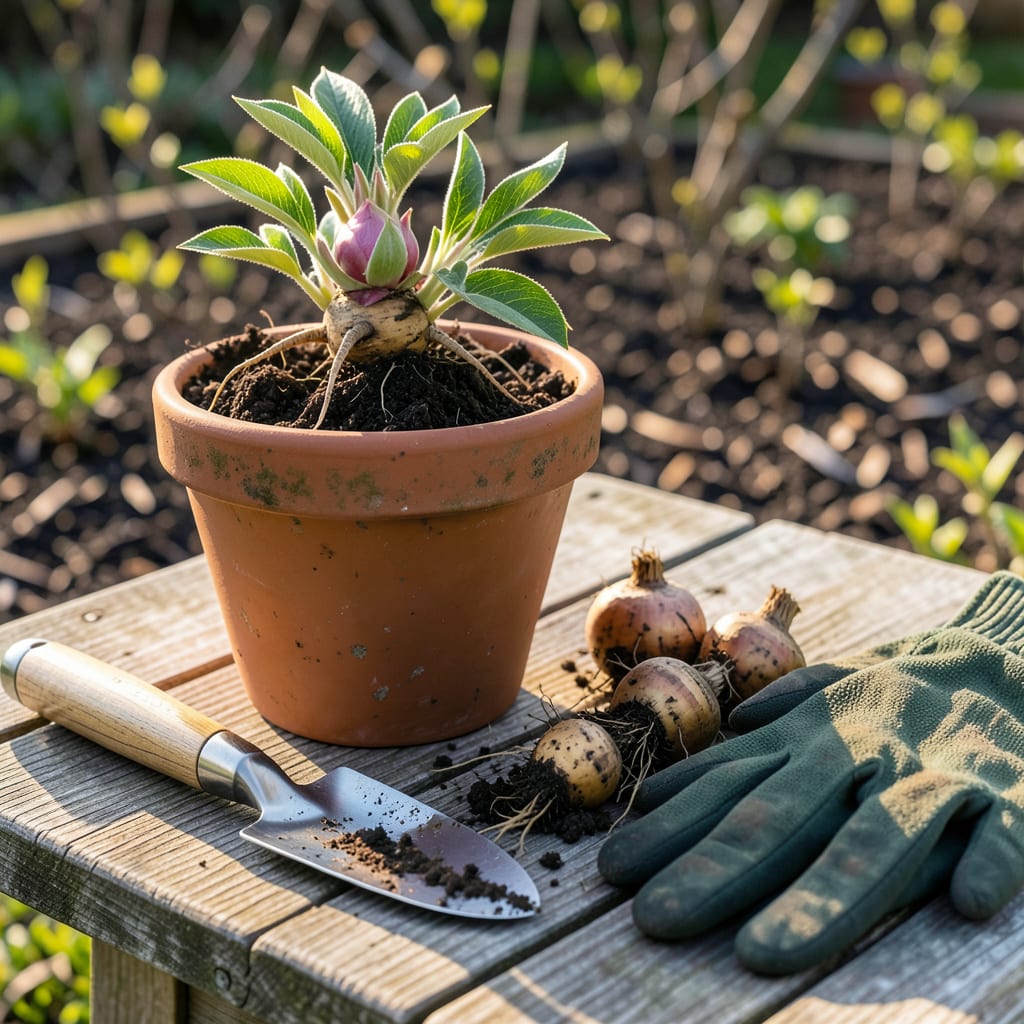
Imagine planting your 🌸 peonies in pots only to watch them struggle—or worse—skip blooming entirely. The difference between lush spring flowers and disappointment often comes down to timing, especially when growing in containers.
After years of testing (and a few failed attempts), I’ve cracked the code for container success. Whether you’re in zone 6 or adjusting for your climate, I’ll show you exactly when to plant those bulbs—and why fall is your secret weapon for bigger, brighter blooms.
If you’ve ever dreamed of lush peony blooms in containers, timing your planting is the secret. Unlike in-ground planting, peony bulbs in pots need extra attention to root establishment before winter. The golden window is fall, but the exact timing depends on your USDA zone.
I always recommend aiming for 4-6 weeks before your first hard frost. This gives roots time to grow without the stress of freezing temps. In warmer zones, you might plant as late as November, while colder climates should target September for best results.
🌡️ Soil temperatures measured at 6″ depth. Adjust for microclimates.
Why does fall planting work best? Peonies need cold stratification to bloom. Planting in fall mimics nature’s cycle, giving bulbs the chilling period they crave. Spring planting often results in weak first-year blooms or no flowers at all.
For container success, monitor your local first frost date. I use the Old Farmer’s Almanac frost calculator to pinpoint my window. In Zone 6, where I garden, mid-September through early October is perfect. The bulbs get 6 weeks of root growth before dormancy.
What if you miss the window? Don’t panic! You can still plant dormant bare-root peonies in early spring, but expect delayed blooms. The key is avoiding active growth periods—plant when bulbs are still dormant for best results.
Pro tip: Use a soil thermometer to check temps at planting depth. If your soil is above 60°F (15°C), wait a week or two. Too warm, and bulbs may sprout prematurely, risking winter damage to tender new growth.
Remember, container-grown peonies experience more temperature fluctuations than in-ground plants. I like to mulch heavily (3-4 inches of straw) after planting and move pots to a protected location (like against a north-facing wall) for winter insulation.
If you’re in Zone 8 or warmer, you might need to pre-chill bulbs for 6-8 weeks in the fridge before planting. This mimics winter conditions. Just avoid storing them near fruit (ethylene gas can damage bulbs).
Still unsure? When in doubt, earlier is better than later. Peony bulbs planted too late may not establish roots before winter, leading to poor spring performance. Mark your calendar now for next year’s planting—your future self will thank you!
Next up, we’ll cover the step-by-step planting process to ensure your potted peonies thrive. From pot selection to soil mixes, I’ll share my tried-and-true methods for maximum blooms in containers. 🌸
Now that you know when to plant, let’s focus on the how. Container peonies thrive when given the right start, and I’ve perfected a method that ensures strong roots and vibrant blooms. The key begins with choosing the perfect pot.
I always recommend 2-3 gallon containers minimum—peony roots need room to spread. Look for pots with multiple drainage holes to prevent soggy soil, which can rot bulbs. Terracotta works well, but I prefer lightweight plastic for easier winter moves.
🌱 Perfect planting depth ensures proper chilling for spring blooms!
Why this soil mix? Peonies hate wet feet, so the perlite addition prevents compaction. I’ve found this blend mimics garden soil while providing the drainage containers need. Avoid peat-heavy mixes—they dry out too quickly.
Here’s my watering secret: After planting, water until you see it drain, then wait until soil dries to the first knuckle (about 1 inch deep) before watering again. Overwatering is the #1 killer of potted peonies in their first year.
For winter protection, I move my pots to an unheated garage or against a north-facing wall. The goal is consistent cold (not freezing) to satisfy the chilling requirement. In spring, gradually reintroduce pots to sunlight to prevent sunburn on new growth.
First-year peonies may not bloom, and that’s okay! Focus on root development by keeping soil moist but not soggy. By year two, you’ll see stronger stems and more flowers if you’ve nailed the planting process.
Remember: Container peonies need more frequent feeding than in-ground plants. I use a balanced 5-10-10 fertilizer in early spring and again after blooming. This keeps roots healthy for next year’s showstopping display. 🌸
Even experienced gardeners can sabotage their potted peonies with simple oversights. After rescuing countless struggling plants, I’ve identified the five most common mistakes—and how to fix them before they ruin your blooms.
The biggest culprit? Planting at the wrong depth. Bury bulbs too deep, and they’ll rot; too shallow, and they’ll freeze. The sweet spot is 1-2 inches below soil surface, with the “eyes” (growth buds) facing upward. 🌱
✅ Fix these errors for healthier peonies next season!
Another silent killer? Using the wrong soil mix. Peonies despise heavy, compacted soil. I learned this the hard way when my first container peonies sat in waterlogged soil all winter. The fix? A fast-draining mix with perlite or coarse sand.
Overwatering ranks as mistake #3. New gardeners often assume more water = better growth. Wrong! Peony bulbs need moist but not soggy conditions. Stick your finger in the soil—if the top inch feels dry, it’s time to water.
Here’s a mistake I see yearly: skipping winter protection. Potted peonies lack ground insulation, making them vulnerable to freeze-thaw cycles. My solution? Wrap pots in burlap and cluster them against a north-facing wall for consistent cold.
Finally, don’t forget post-winter care. When spring arrives, gradually reintroduce pots to sunlight to prevent sunburn on tender new growth. I move mine to partial shade for a week before full sun exposure. This simple step prevents leaf scorch that can stress plants. 🌿
Planting too close to winter prevents roots from establishing properly. Bulbs need 4-6 weeks before ground freezes to develop strong roots. Late planting often results in weak spring growth or no blooms.
Regular potting soil often stays too wet. Mix 2 parts garden soil with 1 part compost and ½ part perlite for ideal drainage. This prevents bulb rot while providing nutrients.
Place bulbs 1-2 inches below soil surface with “eyes” (growth buds) facing up. Too deep causes rot; too shallow risks freeze damage. Use a ruler to check depth before covering.
Yes! Move pots to a protected location after first frost. Wrap containers in burlap and add 3-4 inches of mulch. This prevents freeze-thaw cycles that damage roots.
First-year plants often focus on root growth rather than blooms. Don’t worry—this builds strength for future years. By year two, you’ll see more vibrant flowers if cared for properly.
