
Beautiful Plants For Your Interior
Beautiful Plants For Your Interior
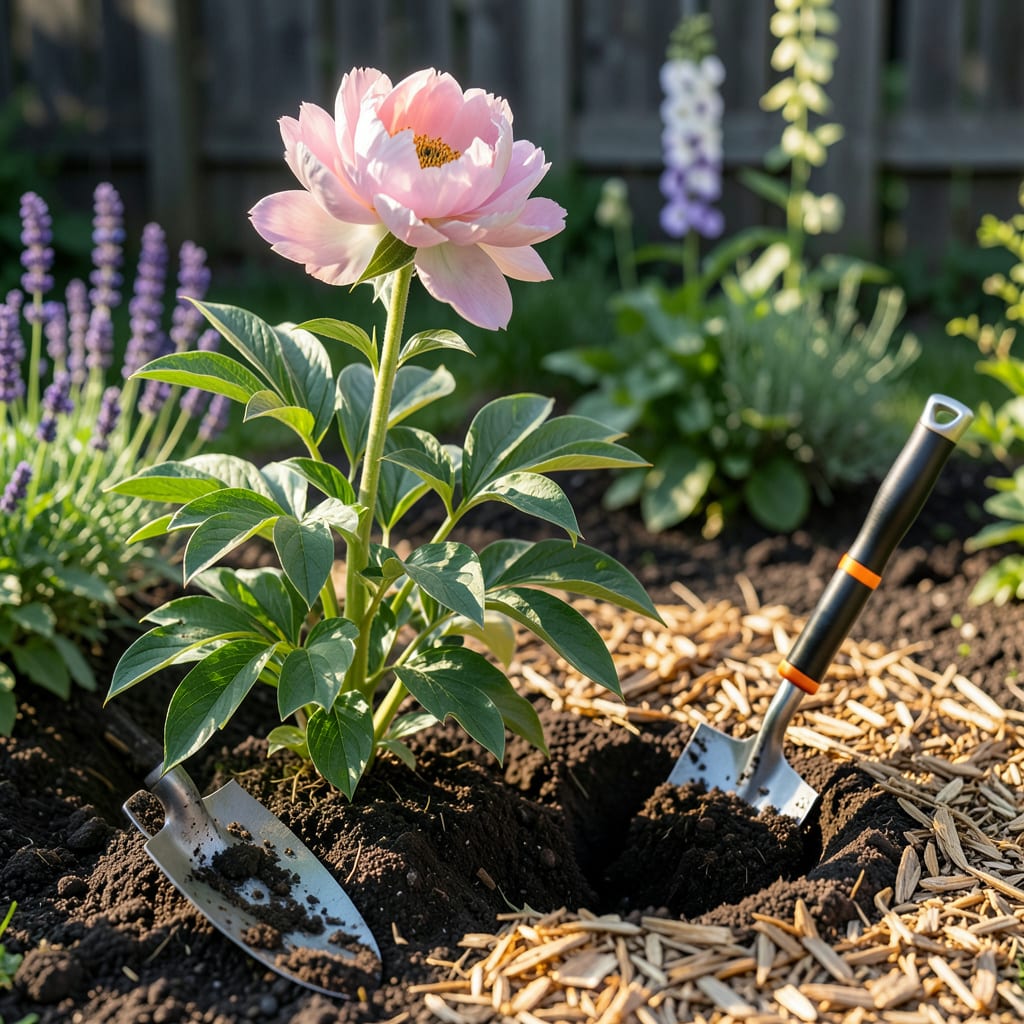
If you’ve ever dreamed of a garden bursting with spectacular 🌸 peonies each spring, timing your planting is everything—especially in Tennessee’s unpredictable climate. Plant too late, and your peonies might struggle to establish roots before winter. Too early? They could waste energy sprouting prematurely.
After years of testing what works best in zones 7a-8a, I’ve nailed down the perfect window. Let me show you exactly when to get those roots in the ground for blooms so stunning, your neighbors will ask for your secret. The fall season holds the key—here’s why.
If you want decades of show-stopping peony blooms in Tennessee, timing your planting is non-negotiable. Our state’s USDA zones 6a-7a mean fall planting is ideal—specifically September through November, when soil stays warm but air temps cool. This window lets roots establish before winter dormancy.
Why fall? Peonies planted in spring or summer struggle with heat stress and weak root growth. In Tennessee, October is prime time—soil temps hover around 60°F, perfect for root development. But don’t wait too late: aim for 6-8 weeks before your first frost (early November in most regions).
| Region | USDA Zone | Ideal Planting Months | Last Frost Date |
|---|---|---|---|
| East TN (Knoxville) | 6b-7a | Sept 15–Nov 1 | April 10 |
| Middle TN (Nashville) | 7a | Oct 1–Nov 15 | April 15 |
| West TN (Memphis) | 7b-8a | Oct 15–Nov 30 | April 5 |
Pro Tip: Plant bare-root peonies immediately after purchase—don’t let roots dry out! Container-grown peonies can go in slightly later.
In West Tennessee (zone 8a), you’ve got a bit more flexibility thanks to milder winters. But don’t push it past late November—roots need time to anchor before dormancy. I’ve seen Memphis gardeners succeed with early December plantings in warm years, but it’s risky if a sudden freeze hits.
For East Tennessee’s higher elevations (zone 6a), err on the earlier side. Frost can arrive by mid-October in the Smokies, so target late September to early October. A soil thermometer is your best friend here—aim for 55–65°F soil temps at planting depth (about 12 inches down).
What if you miss the fall window? Spring planting is possible but requires extra care. In Tennessee, March–early April works, but you’ll need to water religiously and mulch heavily to combat summer heat. Expect fewer blooms the first year—roots focus on establishing, not flowering.
Here’s my Tennessee-tested trick: Soak bare-root peonies in lukewarm water for 2–4 hours before planting. This rehydrates roots and kicks off growth. Dig a hole 18 inches wide and 12 inches deep, mixing in compost and bone meal for phosphorus. Plant the “eyes” (buds) just 1–2 inches below soil—any deeper, and you’ll get leaves but no flowers!
After planting, water deeply (1–2 gallons per plant) and add 2–3 inches of mulch (shredded bark or straw). Avoid wood chips—they rob nitrogen as they decompose. In Tennessee’s humid summers, mulch also suppresses weeds and retains moisture without suffocating roots.
First-year peonies are all about root growth, not blooms. Don’t panic if you see only a few flowers (or none!) in spring. By year three, your plants will explode with dozens of blooms—if you nailed the timing. That’s why Tennessee gardeners swear by the “October rule”: get them in the ground before Halloween for best results.
Still unsure? Check your local frost dates and count backward 6–8 weeks. For example, Nashville’s average first frost is October 15, so plant by late August–early September. And remember: peonies are long-lived perennials. A little extra effort now means 50+ years of beauty with minimal care later! 🌸
Even with perfect timing, small errors can ruin your peony dreams. I’ve seen Tennessee gardeners make these five costly mistakes—and trust me, they’re easier to avoid than you think. The good news? Fixing them now saves years of frustration later.
First up: planting too deep. This is the #1 reason peonies fail to bloom. In Tennessee’s clay-heavy soils, it’s tempting to bury them deep for stability, but those “eyes” (buds) must sit no more than 2 inches below soil. Any deeper, and you’ll get lush foliage but zero flowers.
Fix: Test drainage by digging a 12″ hole, filling with water. If it drains slower than 1 inch/hour, amend with compost or sand.
Next, ignoring soil drainage spells disaster in Tennessee. Our clay soils hold water like a sponge, suffocating peony roots. Before planting, test drainage by digging a 12-inch hole, filling it with water, and timing how long it takes to empty. If it drains slower than 1 inch per hour, mix in compost or coarse sand.
Another biggie: skipping mulch. Tennessee’s temperature swings—from freezing winters to scorching summers—stress peony roots. A 2–3 inch layer of shredded bark (not wood chips!) regulates soil temp and retains moisture. In West Tennessee, mulch also prevents soil crusting during droughts.
Choosing the wrong variety is a heartbreaker. Not all peonies thrive in our humid summers. Avoid ‘Festiva Maxima’ (prone to powdery mildew) and opt for ‘Coral Charm’ or ‘Sarah Bernhardt’, which handle Tennessee’s heat and humidity like champs. Pro tip: Early-blooming varieties escape late-spring storms that can shred petals.
Finally, overwatering is a silent killer, especially in East Tennessee’s rainy climate. Peonies need consistent moisture but despise soggy roots. Stick your finger 2 inches into the soil—if it’s dry, water deeply. If it’s damp, wait. In summer, 1–2 gallons per plant weekly suffices unless we’re in a drought.
Here’s my Tennessee-tested rescue plan if you’ve already made these mistakes: For deep-planted peonies, gently lift and replant at the correct depth in early fall. Improve drainage by mounding soil into a slight slope. Add mulch ASAP, and switch to drip irrigation to avoid wetting foliage (which invites fungus).
Remember, peonies are forgiving once established, but they demand perfection at planting. Get these basics right, and you’ll be cutting armloads of lush, fragrant blooms for decades—with minimal effort. That’s the Tennessee peony promise! 🌸
Not all peonies are created equal—especially in Tennessee’s steamy summers and unpredictable springs. After testing dozens of varieties across the state, I’ve found the top performers that laugh at humidity, resist fungal diseases, and keep blooming when others wilt. Here’s your Tennessee-approved shortlist.
For East Tennessee’s cooler climates (zones 6a-6b), ‘Coral Charm’ is a superstar. This semi-double peony starts as a coral-pink bomb and fades to soft yellow, thriving in Knoxville’s moist mountain air. It’s also early-blooming, dodging late spring frosts that can ruin flowers.
Pro Tip: Pair early (‘Coral Charm’) and late (‘Sarah Bernhardt’) varieties to extend your bloom season 4–6 weeks.
In Middle Tennessee (zone 7a), ‘Sarah Bernhardt’ reigns supreme. This double pink beauty handles Nashville’s humid summers and clay soils like a champ. Its strong stems resist flopping in storms, and it’s highly fragrant—perfect for cutting. For a bold contrast, pair it with ‘Karl Rosenfield’, a deep red variety that’s unfazed by heat.
For West Tennessee’s zone 8a heat (Memphis and beyond), ‘Bowl of Beauty’ is my secret weapon. This Japanese-style peony has rose-like outer petals and a creamy center that won’t scorch in 90°F+ temps. It’s also self-supporting, so no staking needed—unlike floppy hybrids that collapse after rain.
If you’re battling powdery mildew (a Tennessee curse in wet summers), ‘Krinkled White’ is your ally. Its ruffled petals and glossy foliage resist fungus naturally. For smaller gardens, ‘Little Red Gem’ stays compact (just 2 feet tall) but packs a punch with scarlet-red blooms that hummingbirds adore.
Here’s my Tennessee-specific planting hack: Space peonies 3–4 feet apart to improve airflow and reduce humidity-related diseases. In clay soil, plant them 1 inch higher than recommended—they’ll settle into perfect depth as the soil compacts. And always amend with compost at planting to give roots a nutrient boost for our long growing season.
Remember, peonies in Tennessee aren’t just survivorsshowstoppers when you pick the right varieties. Stick to these heat-loving, disease-resistant champions, and you’ll be rewarded with bigger blooms and longer vase life than gardeners up north ever see! 🌸
Spring-planted peonies often struggle with weak root systems due to Tennessee’s summer heat. While possible in March–early April, they’ll need extra watering and mulch. Expect fewer blooms the first year as roots focus on establishing.
Amend clay soil with compost and coarse sand to improve drainage. Dig a hole 18 inches wide and 12 inches deep, mixing in bone meal for phosphorus. Test drainage by filling the hole with water—it should empty at 1+ inch per hour.
Yes, but choose a 5+ gallon container with drainage holes. Use a well-draining potting mix and water every 5–7 days. Overwinter pots in a protected spot (like a garage) to prevent freeze-thaw cycles from damaging roots.
The top culprit is planting too deep—“eyes” (buds) should sit 1–2 inches below soil. Other causes: too much shade or over-fertilizing with nitrogen. Tennessee’s humidity can also encourage fungal diseases that stress plants.
In zones 7b–8a (Memphis area), mulch with 2–3 inches of shredded bark to retain moisture. Water 1–2 times weekly in summer and choose heat-tolerant varieties like ‘Bowl of Beauty’ or ‘Coral Charm’. Afternoon shade helps prevent scorching.
