
Beautiful Plants For Your Interior
Beautiful Plants For Your Interior
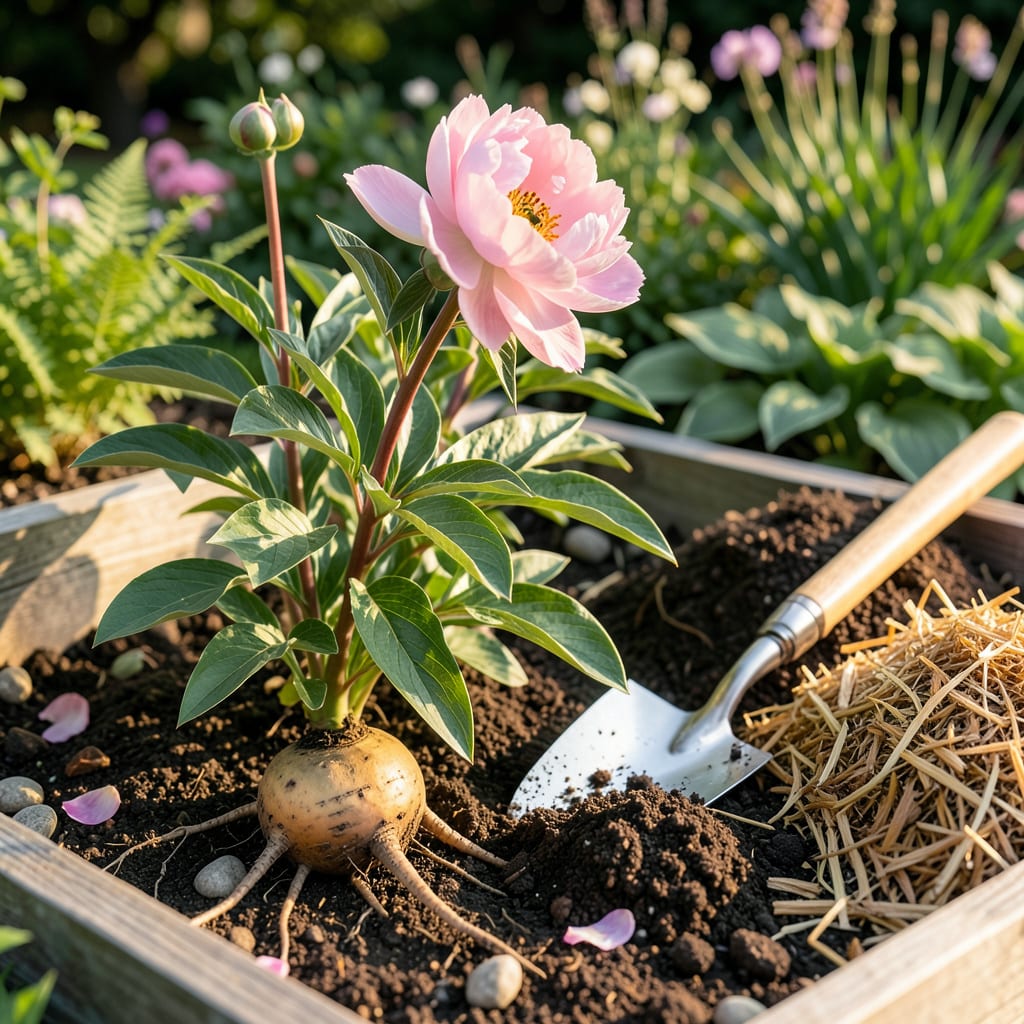
Imagine planting a 🌸 peony this fall and watching it burst into vibrant blooms every May for decades to come. That’s the magic of getting your timing right in Oregon—but with climate zones ranging from coastal mist to high desert sun, the rules aren’t one-size-fits-all.
I’ve helped countless gardeners across the state avoid the heartbreak of stunted growth or no flowers at all. Whether you’re in Portland’s damp valleys or Bend’s arid plains, I’ll show you the exact months to plant for thriving peonies—and why September might just be your golden ticket.
If you’ve ever admired those lush, dinner-plate-sized peony blooms in Oregon gardens, you know timing is key. Oregon’s climate isn’t one-size-fits-all—what works for Portland’s mild winters won’t cut it in Bend’s high desert. Let’s break down the perfect window for your area.
Peonies thrive when planted in cool soil, giving roots time to establish before winter. In most of Oregon, that means early fall is ideal. But if you’re in the coastal fog belt or eastern desert, adjustments are needed. Here’s your region-specific guide.
For coastal gardeners, the late September to October window is crucial. The cooler temps and moist air help roots settle without stress. Just ensure your soil drains well—peonies hate wet feet in winter!
In the Willamette Valley, you’ve got more flexibility. Early September through mid-October works beautifully, especially for bare-root peonies. The soil stays warm enough for root growth but cool enough to prevent shock.
If you’re in Central or Eastern Oregon, shift earlier. Late August to early September planting lets roots establish before the first frost (often by mid-October). The high desert’s dry air means you’ll need to monitor moisture closely.
No matter your region, soil temperature is your best guide. Aim for 50–65°F at planting depth (about 6 inches down). Too hot? Roots stall. Too cold? They won’t grow before winter.
Pro tip: If you miss the fall window, spring planting is possible—but it’s riskier. Peonies planted in spring often lag a year in blooming. Stick to container-grown peonies if you must plant then.
Remember, peonies are long-term investments. A well-timed fall planting can reward you with decades of blooms. So grab your shovel, check your zone, and get those roots in the ground!
Still unsure? Test your soil temp with a cheap thermometer from any garden center. When it hits that 50–65°F sweet spot, you’re good to go. Happy planting! 🌸
Now that you know when to plant, let’s dive into the how-to. Oregon’s soil and climate demand special attention—especially when it comes to drainage and sun exposure. Follow these steps for peonies that thrive for decades.
First, choose your location wisely. Peonies need 6+ hours of sunlight daily, but in Oregon’s hotter zones (like the Willamette Valley), afternoon shade prevents scorching. Avoid low spots where winter rains might pool.
For container-grown peonies, the process is similar—but loosen roots gently before planting to encourage outward growth. If you’re planting in spring, stick to potted peonies and expect a one-year delay in blooms.
Peonies are low-maintenance once established, but the first year is critical. Keep soil consistently moist (not soggy) and watch for powdery mildew in damp areas. A light fertilizer in early spring boosts growth.
Remember, peonies can live 50+ years with proper care. That first fall planting sets the stage for generations of spectacular blooms. So take your time, follow these steps, and get ready for a garden showstopper! 🌷
Need more help? Grab a soil test kit from your local extension office to fine-tune your soil. Happy planting—your future self will thank you!
Even experienced gardeners can stumble when planting peonies in Oregon. I’ve seen beautiful blooms turn to disappointment because of simple oversights. Let’s tackle the top three mistakes so you can avoid them and enjoy decades of stunning peonies.
First up: planting too late in fall. Oregon’s wet winters mean roots need time to establish before the heavy rains hit. If you wait until November, you risk root rot or weak growth. Aim for September–October to give roots a fighting chance.
Another critical error: skipping soil prep. Peonies can live 50+ years, so poor soil now means struggles later. Test your soil’s pH (6.5–7.0 ideal) and amend as needed. A little effort upfront saves years of frustration.
Lastly, don’t overlook microclimates. A sunny spot in Portland might be perfect, but the same location in Bend’s high desert could scorch your plants. Observe your garden’s sun patterns and adjust planting spots accordingly.
Fixing these mistakes is simple once you know what to watch for. For deep-planted peonies, gently lift and replant at the correct depth. For waterlogged soil, add organic matter or create raised beds. And if you’ve got the wrong peony type? Swap it for a better-suited variety next season.
Remember, peonies are forgiving once established, but they demand precision at planting. Dodge these pitfalls, and you’ll be rewarded with generations of jaw-dropping blooms. Your garden will thank you! 🌸
Spring-planted peonies often lag behind by a full year in blooming. The roots need time to establish before summer heat, so they focus on survival rather than growth. If you must plant in spring, choose container-grown peonies for better success.
Peonies hate soggy roots! After rain, dig a small hole 6 inches deep. If water pools or the soil feels muddy after 24 hours, it’s too wet. Amend with compost and sand, or consider raised beds for better drainage.
Yes, but choose a large container (15+ gallons) with drainage holes. Use a well-draining potting mix and water when the top 2 inches of soil feel dry. Container peonies need winter protection—move pots to a sheltered spot or wrap with burlap.
Common culprits include planting too deep (eyes should be 1–2 inches below soil), insufficient sunlight (6+ hours daily), or immature plants. New peonies may take 2–3 years to bloom. Fertilize lightly in early spring to encourage growth.
Coastal gardeners should plant in late September–October and improve drainage to combat winter rains. Add sand or gravel to soil, and consider a light mulch to protect roots. Avoid heavy clay soils that stay soggy.
