
Beautiful Plants For Your Interior
Beautiful Plants For Your Interior
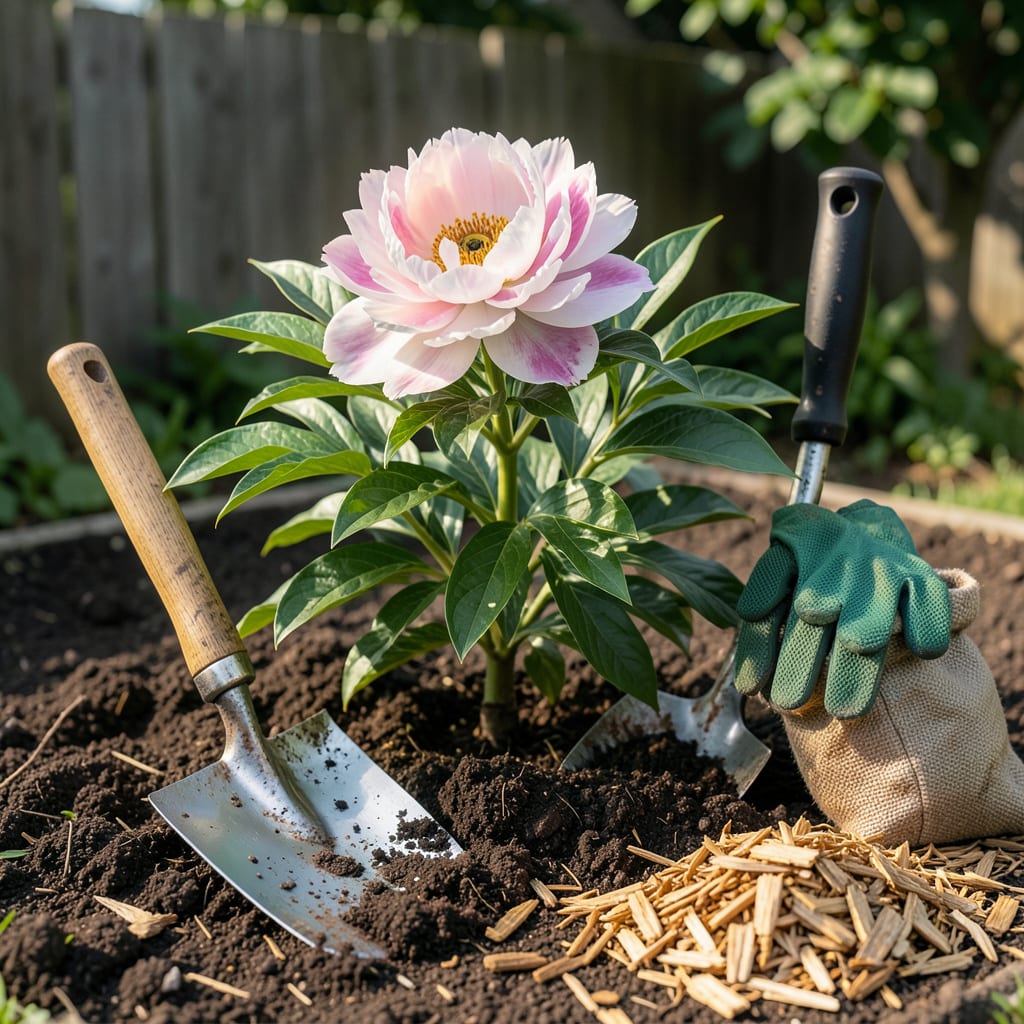
Imagine planting your peonies only to watch them struggle—or worse—fail to bloom come spring. In Oklahoma, where fall timing makes all the difference, even a few weeks can mean the difference between lush 🌸 Peony displays and disappointment.
I’ve seen gardeners in zones 6b-7a waste years by planting at the wrong time. But here’s the good news: with the right window (hint: it’s not spring), you’ll set your peonies up for explosive growth. Let’s cut through the guesswork and get it right the first time.
If you’ve ever dreamed of a garden bursting with lush peony blooms in spring, timing your planting is everything—especially in Oklahoma. Our state’s USDA zones 6b-7a give us a sweet spot for fall planting, but miss the window, and you’ll be staring at sad, bloomless stems next year. 🌱
Here’s the secret: peonies need 6-8 weeks of cool soil before winter to establish roots. Plant too early, and Oklahoma’s late-summer heat stresses them. Plant too late, and frost shocks their system. Get it right, and you’ll be rewarded with decades of stunning flowers. ☀️
| Zone | Ideal Planting Window | Soil Temp Goal | Notes |
|---|---|---|---|
| 6a (Panhandle) | Sept 1–20 | 55–65°F | Earlier planting avoids early frost (Oct 10). |
| 6b (Tulsa) | Sept 10–Oct 1 | 60–68°F | Aim for 6 weeks pre-frost (Nov 1). |
| 7a (OKC) | Sept 20–Oct 15 | 62–70°F | Later window due to milder falls. |
Pro Tip: Use a soil thermometer to check temps at 4″ depth—ideal range is 60–65°F for root growth.
In western Oklahoma (Zone 6a), I start planting by Labor Day to beat the first frost. The Panhandle’s harsh winters mean roots need extra time to settle. If you’re in eastern Oklahoma (Zone 7a), you’ve got until mid-October—just watch the 10-day forecast for sudden cold snaps. 🌡️
For bare-root peonies, soak the roots in water for 2–4 hours before planting to rehydrate them. If you’re planting container-grown peonies, gently loosen the roots to encourage outward growth. Both types thrive when planted 1–2 inches below soil—any deeper, and you’ll get leaves but zero blooms. ✂️
Oklahoma’s clay-heavy soil is a peony’s worst enemy if not amended. Mix in 2–3 inches of compost and a handful of perlite or sand to improve drainage. I’ve seen gardeners lose peonies to root rot after wet winters—don’t let that be you! Raise beds 4–6 inches if drainage is poor. 💧
After planting, water deeply to settle the soil, then add a 2-inch mulch layer (straw or shredded leaves) to insulate roots. Avoid wood chips—they can lower soil pH over time, and peonies prefer neutral to slightly alkaline soil (pH 6.5–7.5). Test your soil if you’re unsure! 🌿
If you miss the fall window, don’t plant in spring—peonies need that cold dormancy period to bloom. Instead, heal-in bare-root peonies in a pot in the fridge for 6 weeks, then plant outdoors in early spring (March). It’s not ideal, but it’s better than skipping a year! ⏰
For Oklahoma’s humid summers, choose disease-resistant varieties like ‘Sarah Bernhardt’ (pink) or ‘Karl Rosenfield’ (red). These handle our temperature swings and high humidity better than finicky heirloom types. Pair them with full sun (6+ hours) and good airflow to prevent fungal issues. 🌷
Mark your calendar: September 15–October 10 is the golden window for most of Oklahoma. Set a reminder to fertilize lightly in early spring (March) with a 5-10-10 blend to fuel those first-year blooms. With the right timing, your peonies will outlive your mortgage—yes, they can thrive for 50+ years! 🪴
Oklahoma’s heavy clay soil can feel like a curse for peonies—but with the right prep, it becomes their secret weapon. I’ve turned rock-hard clay into peony paradise by focusing on drainage and depth. Here’s how you can too. 🌱
Start by testing your soil’s drainage speed: dig a 12-inch hole, fill it with water, and time how long it takes to drain. If it’s slower than 1 inch per hour, you’ll need to amend. Mix in 3–4 inches of compost and 1 cup of perlite per plant to loosen the clay. 💧
Pro Tip: If your soil is extremely compacted, consider planting in a raised bed (12–18 inches tall) filled with a mix of topsoil, compost, and sand.
For bare-root peonies, soak the roots in lukewarm water for 2–4 hours before planting to rehydrate them. If you’re working with container-grown peonies, gently tease the roots apart to encourage outward growth. Both types need space to breathe—plant them 3–4 feet apart to prevent crowding. ✂️
After planting, create a small soil berm (2–3 inches high) around the plant’s edge to help direct water to the roots. Oklahoma’s unpredictable rain can erode soil, so check the berm after heavy storms. Avoid piling mulch against the stem—this can trap moisture and invite stem rot. 🌿
If you’re planting multiple peonies, arrange them in a north-south row to ensure even sun exposure. For cut flower production, add a low-nitrogen fertilizer (5-10-10) at planting time, but skip fertilizer if you’re planting in late fall—new roots need to focus on establishment, not growth. 🪴
Watch for early signs of stress: yellowing leaves may indicate poor drainage, while wilting in morning sun suggests root disturbance. If you notice these, replant shallower or add more compost. Remember, peonies are long-term investments—they may take 2–3 years to bloom fully, but they’ll reward your patience for decades! ⏰
Even experienced Oklahoma gardeners can sabotage their peonies without realizing it. I’ve seen healthy-looking plants refuse to bloom for years because of simple, fixable errors. Let’s tackle the top three mistakes so your peonies thrive—not just survive. 🌱
The #1 killer of peony blooms? Planting too deep. Those little pink “eyes” (buds) on bare-root peonies must sit 1–2 inches below soil. Bury them deeper, and you’ll get lush foliage but zero flowers. Use a ruler if you’re unsure—it’s that critical! ✂️
Bonus Tip: If your peonies flop, use grow-through supports (not stakes) to avoid damaging roots.
Oklahoma’s unpredictable weather demands extra vigilance. A late spring frost can zap emerging peony shoots. Protect new growth with frost cloth if temps dip below 28°F after sprouting. Conversely, summer heatwaves stress peonies—mulch heavily to retain moisture. 🌡️
Another silent blooming blocker? Over-fertilizing. Peonies are light feeders—too much nitrogen = leafy plants with few flowers. Stick to a 5-10-10 fertilizer once in fall and once in early spring. Skip summer feeding entirely; it encourages weak growth before dormancy. 🪴
Finally, don’t overlook airflow. Oklahoma’s humidity invites botrytis blight (gray mold). Space plants 3–4 feet apart, water at the base in mornings, and remove spent foliage in fall. If you spot mold, spray with baking soda solution (1 tbsp/gallon of water). 💧
Spring planting often leads to weak growth or no blooms the first year. Peonies need 6-8 weeks of cool soil in fall to establish roots before winter dormancy. If you must plant in spring, refrigerate bare roots for 6 weeks first to mimic winter chill.
Test drainage by digging a 12-inch hole, filling it with water, and timing how fast it drains. Ideal drainage is 1 inch per hour. If slower, amend with 3-4 inches of compost and perlite. Oklahoma’s clay needs this boost to prevent root rot.
Yes, but choose a 5-gallon minimum container with drainage holes. Use a mix of 60% potting soil and 40% perlite for airflow. Potted peonies need daily watering in summer and winter protection (move to a garage during hard freezes).
The top culprits: planting too deep (eyes >2″ below soil), too much shade (<6 hours of sun), or over-fertilizing with nitrogen. Dig up the tubers in fall, check depth, and relocate to a sunnier spot. Patience pays—some varieties take 3 years to bloom!
Apply 3-4 inches of mulch (straw or shredded leaves) to retain moisture and cool roots. Water deeply every 3-5 days during drought, but avoid wetting foliage to prevent fungal issues. Afternoon shade helps in Zone 7a, but don’t sacrifice sun exposure.
