
Beautiful Plants For Your Interior
Beautiful Plants For Your Interior
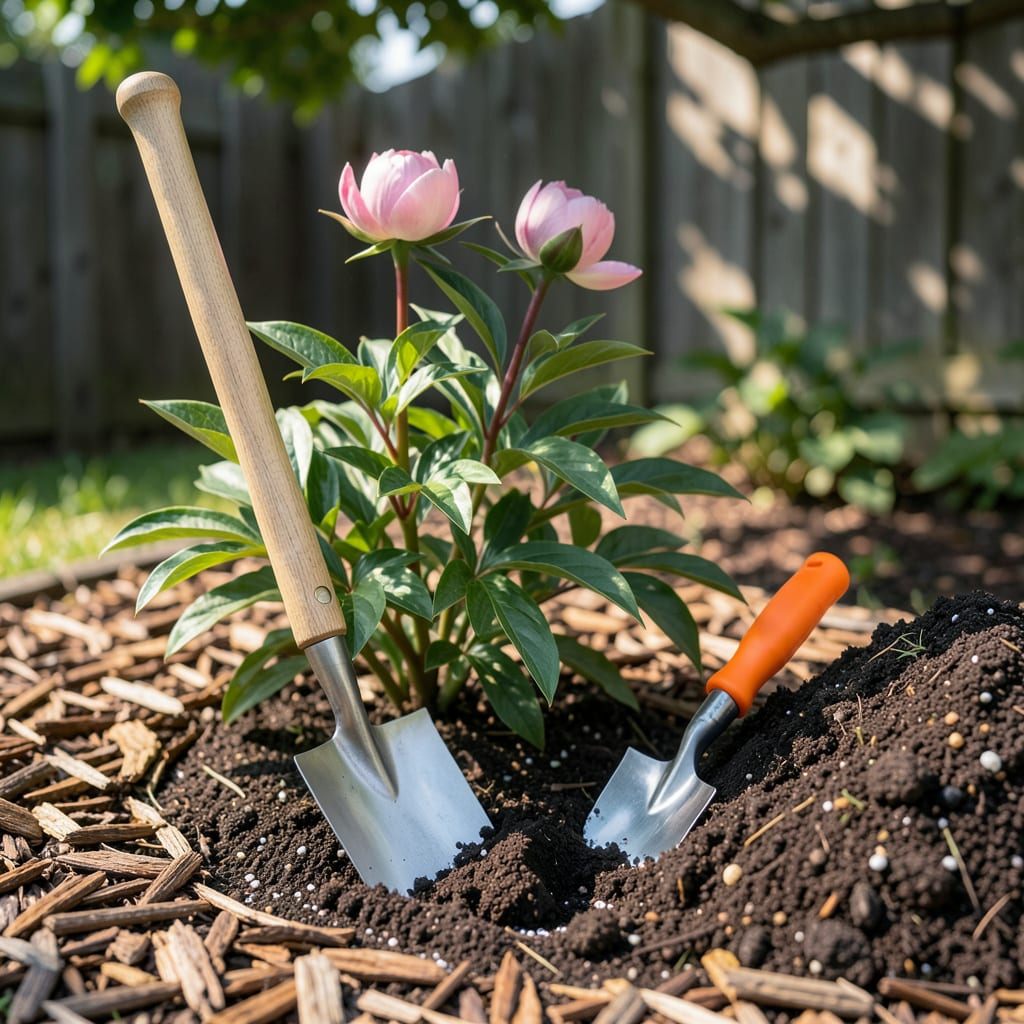
Imagine planting a garden showstopper that returns year after year with bigger, bolder blooms—no replanting required. That’s the magic of peonies, but only if you nail the timing in North Carolina’s finicky climate.
Get it right this fall, and you’ll be cutting armfuls of fragrant 🌸 peonies by next June. But plant too late or too early, and you might wait years for flowers. Let me show you the perfect window for your NC zone—so you don’t waste a single season.
If you’ve ever admired a neighbor’s giant peony blooms and wondered why yours never measure up, the secret often starts with when you plant them. In North Carolina, our three distinct regions—Mountains, Piedmont, and Coastal Plain—each demand slightly different timing. Get this right, and you’ll set the stage for decades of flowers.
Peonies thrive when planted in cool fall soil, giving roots time to establish before winter. But NC’s climate isn’t one-size-fits-all. A Piedmont gardener in Raleigh might plant in early October, while a Coastal gardener in Wilmington could push planting into November. Let’s break down the ideal windows for your zone.
| Region | USDA Zones | Ideal Planting Window | Soil Temp Goal |
|---|---|---|---|
| Mountains | 5b–7a | Early Sept–Oct 1 | 55–65°F |
| Piedmont | 7a–8a | Sept 15–Nov 1 | 60–68°F |
| Coastal Plain | 8a–8b | Oct 1–Nov 15 | 65–70°F |
In the Mountains, where frost arrives earlier, I always aim to plant by October 1. The cooler nights help roots establish without the stress of summer heat. If you’re in Asheville or Boone, watch for early frosts—mulch lightly after planting to prevent frost heave.
Down in the Piedmont, cities like Charlotte or Durham enjoy a longer fall. Here, you’ve got until early November to plant, but don’t wait too long. The goal is 6+ weeks of root growth before the ground freezes. I’ve found that late September to mid-October gives the best results.
The Coastal Plain stays warmer longer, so gardeners in Wilmington or New Bern can plant as late as mid-November. Just avoid planting during a heatwave—wait for a cool spell. Sandy soils here drain fast, so amend with compost to help roots retain moisture.
No matter where you are in NC, avoid spring planting unless you’re okay with waiting an extra year for blooms. Peonies planted in spring often spend their first season establishing roots instead of flowering. If you must plant in spring, choose container-grown peonies and water deeply to reduce transplant shock.
For tree peonies (the woody-stemmed varieties), the rules bend slightly. They’re less fussy about timing but still prefer fall planting. In NC, I’d plant them 2–3 weeks earlier than herbaceous peonies to give their slower-growing roots a head start. They’re also more drought-tolerant once established, a bonus for our summer dry spells.
If you miss the fall window, don’t panic. You can plant potted peonies in early spring (March–April), but be prepared to babysit them with extra water and shade during their first summer. I’ve had success with this method in Zone 8, but it’s not ideal for long-term vigor.
Remember, peonies are long-term investments. A well-planted peony can live 50+ years—longer than most of us stay in our homes! So take the time to plant them right this fall, and you’ll be rewarded with generations of blooms. Next, let’s talk about how to prepare your soil for maximum success. 🌸
Now that you know when to plant your peonies in North Carolina, let’s talk about how to plant them for the best results. Even the perfect timing won’t help if your peonies are buried too deep or stuck in soggy soil. I’ve seen too many gardeners wait years for blooms simply because of avoidable planting mistakes.
The key to lush peony blooms starts with site selection and soil prep. Peonies need full sun (6+ hours) and well-draining soil to thrive. In NC, our clay-heavy Piedmont soils and sandy Coastal soils each present unique challenges—but both can be fixed with the right amendments.
Planting too deep is the #1 reason peonies fail to bloom. The “eyes” (buds) should be no more than 2 inches below the soil surface. Bury them deeper, and you might wait 3–5 years for flowers—or never see them at all!
NC Fix: In clay soil, plant 1.5″ deep; in sandy soil, 2″ deep to account for settling.
Start by choosing a spot with morning sun and afternoon shade in hotter zones (8a–8b). Test your soil’s drainage by digging a 12″ hole and filling it with water. If it drains in under 1 hour, you’re good. If not, amend with compost or pine bark fines to improve drainage.
For Piedmont gardeners, our heavy clay can suffocate peony roots. I mix in 50% compost and 20% perlite to the planting hole. In the Coastal Plain, sandy soil drains too fast—add peat moss or coconut coir to help retain moisture without waterlogging.
When planting bare-root peonies, soak the roots in water for 2–4 hours before planting. Dig a hole 12–18″ wide and 12″ deep, then create a small mound in the center. Spread the roots over the mound, ensuring the eyes face upward. Backfill with your amended soil, gently firming as you go.
After planting, water deeply to settle the soil, then add a 2–3″ layer of mulch (straw or shredded bark). Keep the mulch 3 inches away from the stem to prevent rot. In the first year, water 1″ per week—more if we hit a NC summer drought. Avoid overhead watering to prevent fungal diseases like botrytis blight.
If you’re planting multiple peonies, space them 3–4 feet apart. They’ll look sparse at first, but peonies hate crowding and need airflow to prevent disease. For a cutting garden, plant in rows with 4 feet between rows for easy access. 🌷
Even the most experienced gardeners sometimes miss the ideal fall window for planting peonies. But in North Carolina, timing isn’t just about convenience—it directly impacts whether you’ll see any blooms for years to come. Let me walk you through what happens when peonies go in the ground at the wrong time.
Plant peonies too late in fall, and you risk frost heave—where freezing and thawing cycles push roots out of the soil. I’ve seen this happen in Zone 6 areas like Boone, where late-November planting leaves roots exposed. Early frosts can also damage newly planted bare roots before they establish. 🌡️
Spring-planted peonies face an uphill battle. Instead of focusing on flower production, they spend energy establishing roots in rising temperatures. In Zone 8, this often means no blooms the first year—and sometimes the second. I’ve rescued spring-planted peonies by giving them weekly deep watering and afternoon shade during their first summer.
Tree peonies are slightly more forgiving than herbaceous types, but they still prefer fall planting. If you must plant them in spring, choose early March and mulch heavily to retain moisture. Their woody stems make them less prone to frost heave, but they’ll still grow slower without that critical fall root development.
What if you planted at the wrong time? Don’t despair. For late fall plantings, add a 4–6″ layer of mulch (straw or pine needles) to insulate roots. For spring plantings, use a root stimulator (like seaweed extract) monthly and keep soil consistently moist. In sandy Coastal soils, I’ve had success with spring plantings by using soil moisture sensors to prevent drought stress.
Remember, peonies are marathon plants, not sprinters. A poorly timed planting might set them back a year or two, but with proper care, they’ll eventually recover. The real tragedy? Planting them too deep—that’s one mistake even perfect timing can’t fix! ✂️
Not necessarily! While fall is ideal, you can plant container-grown peonies in early spring (March–April). Just be prepared for extra care—water deeply 2x weekly and provide afternoon shade during their first summer. Expect blooms a year later than fall-planted ones.
The most common culprit is planting too deep. Peony “eyes” (buds) should sit no more than 2 inches below soil. In NC’s clay-heavy Piedmont, aim for 1.5 inches to account for settling. Also check sunlight—peonies need 6+ hours of direct sun daily.
No, peonies are highly sensitive to juglone, the toxin produced by black walnut roots. Keep them at least 50 feet away from walnut trees. If space is limited, grow peonies in containers with fresh potting mix to avoid soil contamination.
Coastal gardeners can plant 2–3 weeks later than Mountain gardeners due to warmer soils. In urban heat islands (like Charlotte), watch for soil temps above 70°F—wait for a cool spell. Use a soil thermometer at 6″ depth; ideal range is 55–68°F depending on your zone.
Mostly, but they’re slightly more flexible. Plant them 2–3 weeks earlier than herbaceous peonies in fall to accommodate their slower root growth. Their woody stems make them less prone to frost heave, but they still prefer cool soil to establish before winter.
