
Beautiful Plants For Your Interior
Beautiful Plants For Your Interior
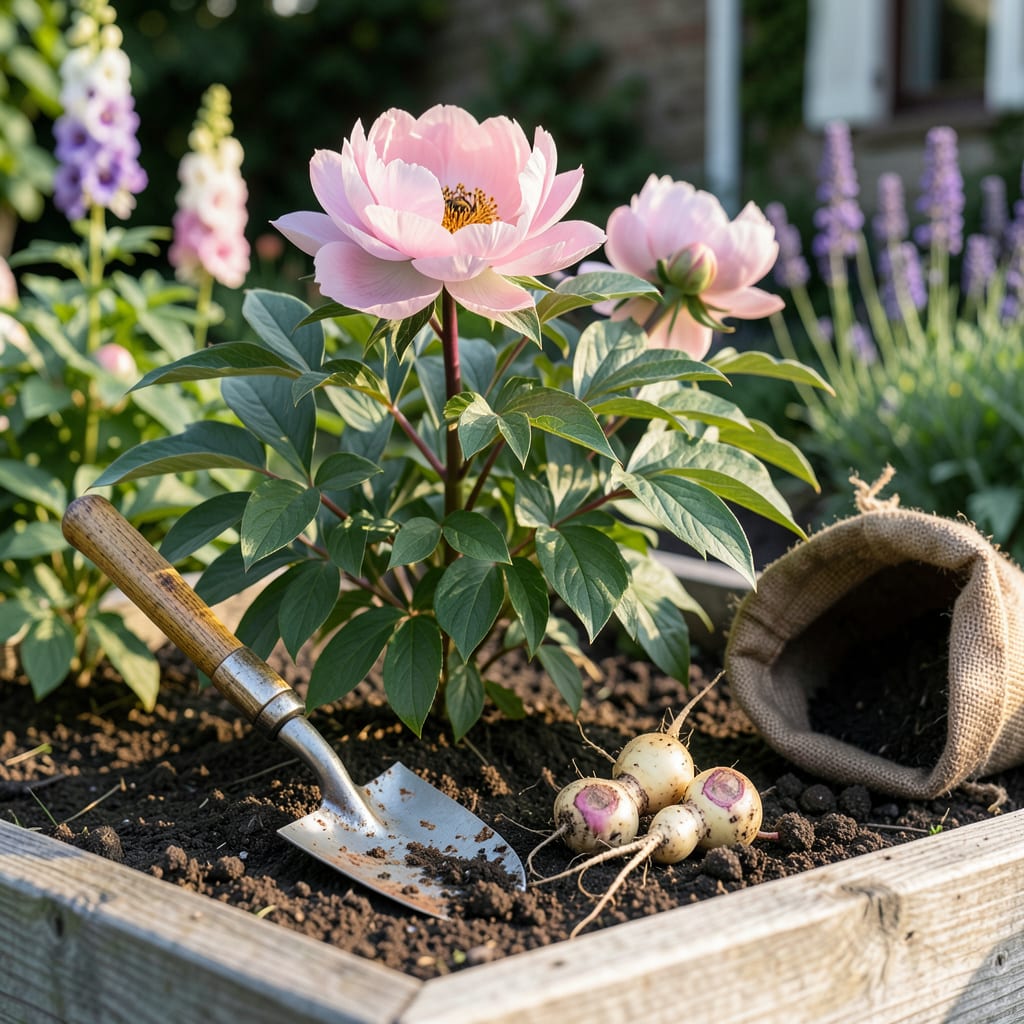
Imagine planting a single 🌸 peony this fall and enjoying its stunning blooms for the next 20 years. That’s the magic of getting your timing right in Colorado—where our unpredictable climate can make or break your garden success.
I’ve seen too many gardeners plant too late in spring and wonder why their peonies never thrive. The secret? A precise fall window that gives roots time to establish before winter. Let me show you exactly when to dig in—and why it makes all the difference.
If you want 20+ years of peony blooms in Colorado, timing is non-negotiable. The golden window is early fall—specifically September to early October—when soil is warm but air temps are cooling. This gives roots 6-8 weeks to establish before winter dormancy.
Colorado’s USDA zones 3-7 and dramatic elevation shifts make timing tricky. Plant too late, and roots won’t develop; plant too early, and heat stress stunts growth. Fall planting beats spring because roots grow in autumn’s cool, moist soil, while spring-planted peonies often lag a year behind.
| Zone | Ideal Planting Window | First Frost Date | Notes |
|---|---|---|---|
| Zone 3 (High Altitude) | Late August – Mid-Sept | Sept 15 | Aim for 8 weeks before frost; mulch heavily for insulation. |
| Zone 5 (Front Range) | Early Sept – Oct 1 | Oct 15 | Perfect for bare-root peonies; avoid late-October freezes. |
| Zone 7 (Western Slope) | Mid-Sept – Mid-Oct | Nov 1 | Longer fall allows later planting; watch for dry soil. |
Why does fall win? Peonies need root establishment before winter, and Colorado’s warm fall soil (60-70°F) is ideal. Spring planting forces peonies to divide energy between roots and blooms, often delaying flowers for a year or more.
For high-altitude gardens (above 7,000 ft), shift your timeline 2-3 weeks earlier. The shorter growing season means roots need extra time. In Denver’s Zone 5b, early September is prime, while Grand Junction’s Zone 7 can push to mid-October.
What if you miss fall? Spring planting is possible but risky. Plant as early as soil thaws (March-April) and expect smaller blooms the first year. Water deeply to compensate for dry Colorado springs.
Pro tip: Check your local frost dates using Colorado State University’s Extension tool. Peonies need 6 weeks of growth before the ground freezes—count backward from your average first frost.
Soil temp matters too! Use a soil thermometer to confirm 60°F+ at planting depth (2-3 inches). If soil is too cold (<50°F), roots stall. In Colorado’s clay-heavy soil, amending with compost helps roots penetrate faster.
Remember: Herbaceous peonies (the classic garden variety) thrive in Colorado, while tree peonies need extra winter protection. Stick to fall planting for either type, and you’ll be rewarded with decades of blooms starting in Year 2 or 3.
Still unsure? When local nurseries start stocking bare-root peonies (usually August), that’s your cue. They’re timed for Colorado’s climate—just get them in the ground within 2 weeks of purchase to prevent drying out.
Now that you know when to plant peonies in Colorado, let’s dig into the how. Colorado’s clay-heavy soil and temperature swings demand extra prep, but I’ll walk you through each step to ensure your peonies thrive for decades.
Start by choosing a sunny spot with 6+ hours of sunlight daily. In hotter areas like Grand Junction, afternoon shade protects blooms from scorching. Avoid low spots where cold air pools—peonies hate soggy roots after spring thaws.
Colorado’s dry air and intense sun mean peonies need consistent moisture their first year. Water every 5-7 days (deep soak) until frost, then reduce to monthly in winter if snow cover is sparse. Use a soaker hose to keep foliage dry and prevent fungus.
For high-altitude gardens, add a windbreak (like a burlap screen) to shield new plants from desiccating winds. In Denver’s clay soil, consider planting peonies on a slight mound to improve drainage and prevent root rot during spring thaws.
Avoid fertilizing at planting—wait until spring when shoots appear. Then, use a low-nitrogen fertilizer (5-10-10) to encourage roots and blooms. In Colorado, peonies often take 2-3 years to flower fully, but the wait is worth it for those dinner-plate-sized blooms!
Pro tip: Label your peonies with their variety name and planting date. Colorado’s microclimates can make even the same variety bloom at different times. Track progress to adjust care next season. And remember—peonies hate being moved, so pick your spot wisely!
Still nervous? Start with ‘Sarah Bernhardt’ or ‘Karl Rosenfield’—these classic varieties are Colorado-tough and forgiving for beginners. Once established, they’ll reward you with decades of blooms with minimal care.
Even with perfect timing, small errors can sabotage your peonies in Colorado’s finicky climate. I’ve seen gardeners make these three costly mistakes—and they’re all preventable with a little know-how. Let’s fix them before you even pick up your trowel.
First up: ignoring microclimates. Colorado’s weather varies wildly even within the same yard. A south-facing slope might be Zone 6, while a low-lying area acts like Zone 4. Always plant peonies where they’ll get winter chill but avoid frost pockets.
Another silent killer? Poor drainage in Colorado’s clay. Peonies rot in soggy soil, especially after spring snows. Test drainage by digging a 12-inch hole, filling it with water, and timing how long it takes to drain. If it’s slower than 1 inch/hour, amend with compost and perlite.
Don’t overlook wind exposure either. Colorado’s Chinook winds desiccate peony buds in winter. Plant near a fence, wall, or shrub to block wind, or wrap new plants in burlap their first winter. In high-altitude areas, add a low windbreak on the prevailing wind side.
Finally, resist the urge to fertilize at planting. Colorado peonies need phosphorus for roots, not nitrogen for leaves. Wait until second spring, then use a 5-10-10 fertilizer. Over-fertilizing = weak stems and fewer blooms. And never let mulch touch stems—it invites botrytis blight, a fungal nightmare in our humid summers.
Spring planting is risky in Colorado. Peonies planted in spring often take a full year longer to bloom because they focus energy on leaves rather than roots. Fall planting gives roots 6-8 weeks to establish before winter, leading to stronger plants and earlier flowers.
Check two things: temperature and moisture. Soil should be 60°F or warmer at a 2-inch depth (use a thermometer). It should also crumble easily in your hand—not too wet or compacted. Colorado’s clay soil often needs amending with compost for better drainage.
Yes, but adjust your timing. Potted peonies can go in the ground through early September, while bare-root should be planted by mid-October. Potted plants need extra watering their first week to help roots transition from container to soil.
The top 3 reasons: planted too deep (eyes should be 1-2 inches below soil), not enough sun (they need 6+ hours daily), or over-fertilizing with nitrogen. Colorado’s clay can also suffocate roots—test drainage by digging a hole and filling it with water. It should drain at 1 inch/hour or faster.
Above 7,000 feet, plant 2-3 weeks earlier (late August) and mulch with 6 inches of straw for insulation. High-altitude gardens also benefit from windbreaks (burlap or shrubs) to protect against desiccating winds. Choose cold-hardy varieties like ‘Early Scout’ for best results.
