
Beautiful Plants For Your Interior
Beautiful Plants For Your Interior
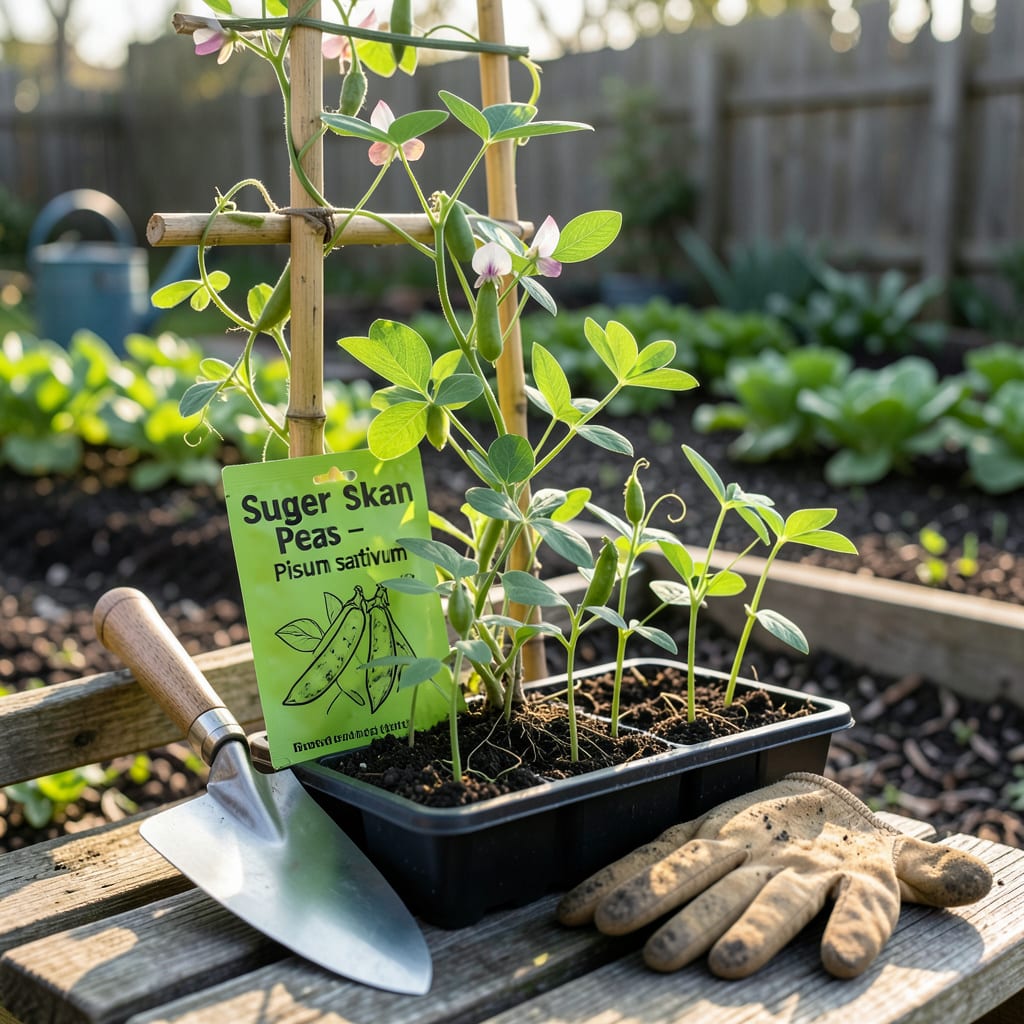
Timing can make or break your 🌱 Pea harvest in Zone 6—plant too soon and seeds may rot, wait too long and you’ll miss the sweetest pods. I’ve learned the hard way that soil temperature is the real secret to faster germination and bigger yields.
After testing different approaches, I’ll show you exactly when to get those seeds in the ground for a bumper crop. Whether you’re planting in early spring or sneaking in a fall harvest, these tips will help you avoid the most common mistakes and grow the best peas yet.
If you’re growing peas in Zone 6, timing isn’t just important—it’s the difference between a bountiful harvest and a disappointing one. Peas thrive in cool soil, so planting too late means they’ll struggle in summer heat. I’ve found the sweet spot is 4-6 weeks before your last frost.
In Zone 6, that typically means late March to early April for spring planting. But don’t stop there! A fall crop planted in late August can extend your season. The key? Soil temperature—peas germinate best when soil is 40°F–75°F. Use a soil thermometer to check!
| Season | Planting Window | Soil Temp | Days to Harvest |
|---|---|---|---|
| Early Spring | Late March–Early April | 45°F–60°F | 55–70 days |
| Late Summer | Late August–Early Sept | 50°F–70°F | 60–75 days |
*Last frost date: ~April 15 | First frost: ~October 15
For spring planting, aim to sow seeds as soon as soil is workable. If you can dig a small hole and it doesn’t crumble, you’re good! I like to soak seeds overnight to speed germination. Remember, peas hate soggy soil, so avoid planting in waterlogged beds.
Fall planting is often overlooked but can be just as productive. The trick is timing it so peas mature before hard frosts hit. Count backward from your first frost date (around October 15 in Zone 6) and add 10–14 days for harvest flexibility. This usually lands you in late August.
Not all pea varieties behave the same. Shelling peas like ‘Green Arrow’ tolerate cold better, while snap peas like ‘Sugar Snap’ prefer slightly warmer soil. For Zone 6, I recommend early-maturing varieties (55–60 days) for spring and heat-tolerant types for fall plantings.
Want to extend your season? Use row covers in early spring to warm soil or shade cloth in late summer to protect from heat. A simple cloches made from plastic bottles can give seeds a 5–7 day head start. Just remove covers once seedlings emerge to prevent overheating.
One mistake I see often is planting too deep. Pea seeds only need 1–1.5 inches of soil coverage. Any deeper and they’ll struggle to break through. Space seeds 2 inches apart in rows 18–24 inches apart. For climbing varieties, install trellises at planting to avoid disturbing roots later.
If your soil is heavy clay, mix in compost or sand to improve drainage. Peas prefer loamy, well-draining soil with a pH of 6.0–7.5. A quick test: grab a handful of soil—if it crumbles easily and isn’t sticky, you’re in the right range. Too acidic? Add lime; too alkaline? Mix in sulfur.
Finally, don’t forget about succession planting! For a continuous harvest, sow a new batch every 2–3 weeks until mid-May. This staggers your harvest and prevents a pea glut all at once. I like to mark my calendar with reminders for each planting date.
Getting your Zone 6 soil ready for peas isn’t just about digging holes—it’s about creating the perfect environment for fast germination and strong growth. I’ve tested countless methods, and these three tricks consistently give me earlier sprouts and healthier plants.
The first secret? Warm the soil before planting. Peas germinate best at 40°F–75°F, but cold Zone 6 springs often linger below that. A simple black plastic mulch laid 2–3 weeks before planting can raise soil temps by 5–10°F. Just remove it once seeds are sown.
*Pro Tip: Soak seeds overnight in lukewarm water to cut germination time in half! ✅
Another game-changer is raised beds. They warm up faster than ground soil and drain better—critical for peas that rot in soggy conditions. If you don’t have raised beds, mound soil into 6-inch-high rows. This improves drainage and gives roots looser soil to expand into.
Don’t overlook soil amendments. Peas thrive in well-draining, fertile soil, but they don’t need heavy fertilizer. Too much nitrogen = leafy vines, fewer pods. Instead, work in 1–2 inches of compost and a sprinkle of bone meal (for phosphorus) at planting. Avoid fresh manure—it’s too hot and can burn tender roots.
For clay-heavy soils (common in Zone 6), mix in gypsum to break up compacted particles. A quick test: Dig a 1-foot hole and fill it with water. If it drains slower than 1 inch/hour, your soil needs help. I’ve had great success with a 50/50 mix of native soil and compost for container-grown peas.
Finally, mulch matters. After planting, cover beds with straw or shredded leaves to retain moisture and regulate temperature. Avoid thick mulch (over 2 inches)—it can smother emerging seedlings. For fall plantings, remove mulch during warm days to prevent overheating, then replace it at night for frost protection.
Remember: Peas fix their own nitrogen, so skip synthetic fertilizers. If leaves yellow, it’s usually a drainage issue, not a nutrient deficiency. My go-to fix? A handful of worm castings worked into the top inch of soil—it provides gentle nutrients without overwhelming the plants.
Not all peas are created equal—especially in Zone 6, where temperature swings can make or break your harvest. After testing dozens of varieties, I’ve narrowed it down to the top performers that handle our climate like champs. The right choice means earlier pods, better yields, and less fuss.
For early spring planting, you’ll want cold-hardy varieties that can handle light frosts (down to 28°F). My go-tos are ‘Green Arrow’ (shelling) and ‘Oregon Sugar Pod’ (snow pea), both of which germinate in cool soil and mature in just 55–60 days. These are perfect for sowing in late March.
| Variety | Type | Days to Harvest | Best For | Zone 6 Planting Window |
|---|---|---|---|---|
| Green Arrow | Shelling | 55–60 | Early spring, cold tolerant | Late March–Early April |
| Sugar Snap | Snap | 60–70 | Spring & fall, trellis needed | Early April, Late August |
| Oregon Sugar Pod | Snow | 58–65 | Cold-hardy, flat pods | Late March–Early April |
| Lincoln | Shelling | 60–65 | Heat-tolerant, late spring | Early–Mid April |
| Super Sugar Snap | Snap | 65–70 | Disease-resistant, high yield | Early April, Late August |
*All varieties prefer well-draining soil with pH 6.0–7.5 and full sun (6+ hours).
For fall plantings, I swear by ‘Super Sugar Snap’ and ‘Lincoln’. These varieties handle warmer soil better and still produce before frost. ‘Lincoln’ is especially forgiving if your late-summer soil is still hovering above 70°F. Just be sure to plant by early September to beat the first frost.
If you’re short on space, bush varieties like ‘Tom Thumb’ (dwarf shelling) or ‘Sugar Ann’ (snap) are lifesavers. They top out at 18–24 inches and don’t need trellising. Perfect for containers or small raised beds! For vertical gardens, climbing varieties like ‘Sugar Daddy’ can reach 5–6 feet but reward you with double the yield.
Pro tip: Mix fast-maturing and late-season varieties to stretch your harvest. Start with ‘Green Arrow’ in late March, then add ‘Super Sugar Snap’ in early April. This way, you’ll have peas from late May through June, and again in October if you plant a fall crop. Always succession plant every 2 weeks for a steady supply!
Avoid ‘Wando’ or other heat-loving varieties—they struggle in Zone 6’s cool springs and often fail to set pods. Stick with cold-tolerant, early producers for the most reliable results. And if powdery mildew is a problem in your garden, ‘Super Sugar Snap’ has the best disease resistance of the bunch.
Peas struggle in summer heat, so avoid planting from June–August. For a fall crop, sow seeds in late August so they mature before frost. Use shade cloth if temperatures exceed 75°F.
Plant seeds 1–1.5 inches deep—any deeper and they’ll struggle to emerge. Space seeds 2 inches apart in rows 18–24 inches apart. For clay soil, plant slightly shallower to improve germination.
In Zone 6, aim to plant by mid-May at the latest. After that, rising temperatures can reduce yields. For a continuous harvest, succession plant every 2–3 weeks until then.
Peas prefer 6+ hours of sunlight but tolerate partial shade, especially in hot afternoons. In early spring or fall, full sun helps warm the soil. Use trellises to maximize light exposure for climbing varieties.
