
Beautiful Plants For Your Interior
Beautiful Plants For Your Interior
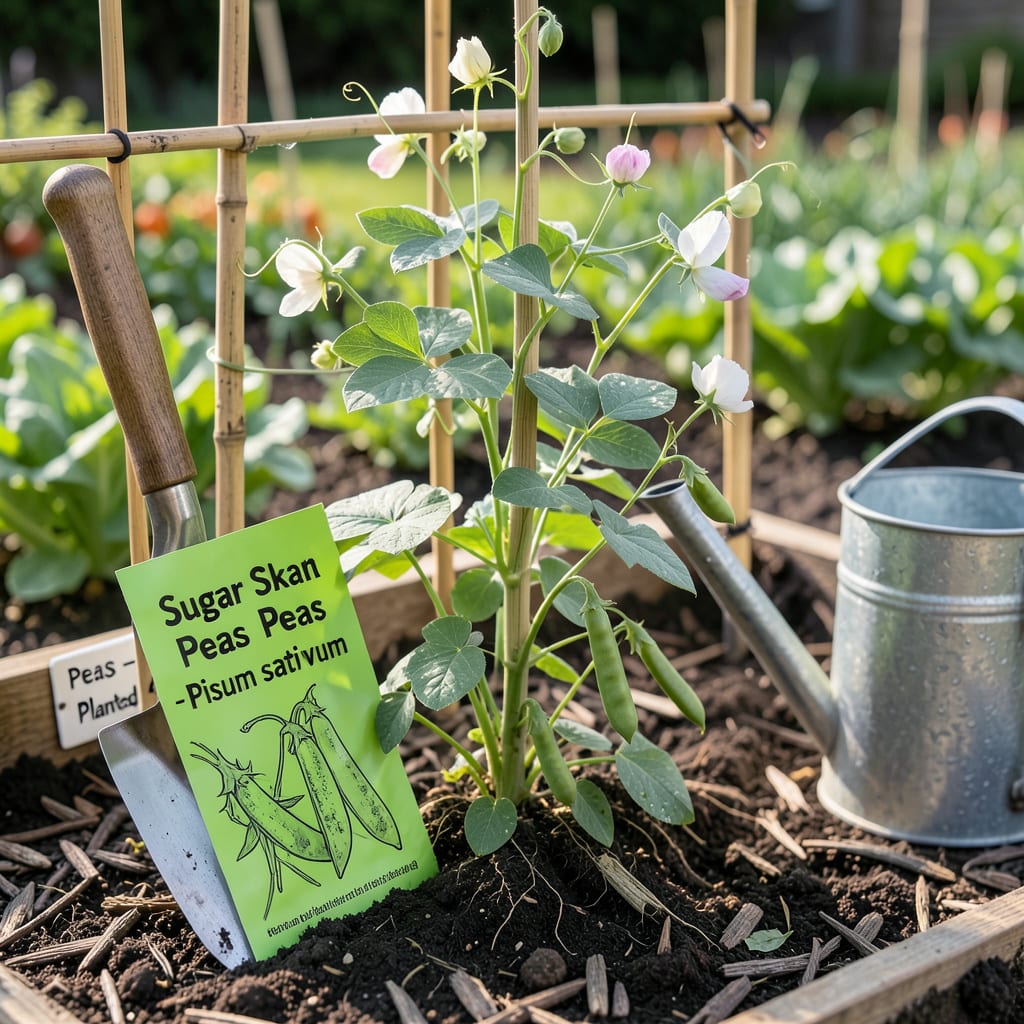
Wisconsin gardeners know the struggle: one week it’s snowing, the next you’re sweating in 70°F weather. When it comes to planting 🌱 peas, that unpredictable swing can make or break your harvest. The difference between sweet, crisp pods and a stunted, bitter crop often comes down to just 7–10 days of timing.
I’ve spent years testing planting windows across Zone 5, and the secrets aren’t just about frost dates—they’re about working with Wisconsin’s finicky springs and short falls. Let me show you exactly how to outsmart the weather, whether you’re near Lake Michigan’s moderating breezes or facing the harsh freeze-thaw cycles up north.
If you’re a Wisconsin gardener, you know our short growing season demands precision. Peas thrive in cool weather, so timing your planting is critical. Most of Wisconsin falls in USDA Zones 3-5, where soil temperatures and frost dates vary dramatically.
I always aim to plant peas 4-6 weeks before the last frost date. In southern Wisconsin, that’s typically late March to early April. Northern gardeners should wait until mid-April to early May when soil reaches at least 40°F. Peas germinate poorly in cold, wet soil.
💡 Pro Tip: Use a soil thermometer to check temps. Peas germinate best at 40°F-75°F. Avoid planting in waterlogged soil after heavy rains.
For fall planting, count backward from your first frost date. Peas need 60-70 days to mature. In Madison, I sow by August 1 to harvest before October frosts. Northern gardeners should plant by July 20 for reliable results.
Wisconsin’s clay-heavy soils can challenge pea growth. I recommend amending beds with compost or aged manure before planting. This improves drainage and provides nutrients. For vining varieties like ‘Green Arrow’, install trellises at planting to avoid disturbing roots later.
If you’re near Lake Michigan, your microclimate may be 1-2 weeks earlier than inland areas. Coastal gardeners can often plant peas 7-10 days sooner in spring. Always check your local frost dates for precision.
For succession planting, I make two plantings 10-14 days apart in spring. This extends the harvest window. In fall, a single planting is usually sufficient. Remember: peas stop producing when temperatures exceed 80°F.
Some of my favorite cold-hardy varieties for Wisconsin include ‘Oregon Sugar Pod’ (snap pea), ‘Lincoln’ (shelling pea), and ‘Sugar Sprint’ (early producer). These tolerate light frosts and mature quickly, which is perfect for our short season.
Don’t forget about companion planting! Peas grow well with carrots, radishes, and cucumbers. Avoid planting near onions or garlic, as they can stunt pea growth. I always interplant peas with early radishes to maximize space.
After planting, keep soil consistently moist but not soggy. Mulch with straw or grass clippings to retain moisture and suppress weeds. In Wisconsin’s unpredictable springs, be ready to cover young plants if a late frost threatens.
By following this calendar and adjusting for your specific location, you’ll be harvesting sweet, crisp peas all season long. For even more precision, I recommend using the UW Extension’s frost date calculator to fine-tune your planting dates. 🌱
Wisconsin’s unpredictable springs and short falls make pea planting tricky. After years of trial and error in my Zone 5 garden, I’ve pinpointed the five biggest mistakes that sabotage pea crops—many of which I learned the hard way!
First up: planting too early in cold, wet soil. While peas are cold-hardy, they won’t germinate well if soil temps dip below 40°F. I’ve lost entire plantings to rot when I jumped the gun after a false spring warm-up.
✅ Quick Fix: Use aged compost to loosen clay soil and inoculated seeds for better germination in cool temps.
The second mistake I see? Planting in unamended clay. Wisconsin’s heavy soils suffocate pea roots. I now mix in 2 inches of compost and sand to improve drainage. For containers, use a light potting mix with perlite.
Here’s a game-changer: always inoculate your seeds with rhizobium bacteria. This boosts nitrogen fixation, crucial in our short season. I soak seeds in lukewarm water with inoculant for 30 minutes before planting—it doubles my yields!
Many gardeners underestimate how quickly peas mature in Wisconsin’s summer heat. If you plant snap peas in late May, they’ll often flower but fail to pod when temps hit 80°F+. Stick to early April plantings for spring crops.
For fall plantings, the window is even tighter. I mark August 1 on my calendar as the absolute latest for southern WI. Northern gardeners should plant by July 20. Use shade cloth if late-summer heat persists to keep soil cool.
Finally, don’t neglect pest prevention. Wisconsin’s pea weevils and aphids love tender pea shoots. I interplant with mint or nasturtiums as natural deterrents and check leaves weekly for early signs of trouble. 🌱
Wisconsin’s short growing season demands pea varieties that mature quickly and handle cool temps. After testing dozens in my Zone 5 garden, I’ve found the top performers that consistently produce sweet, plump pods before summer heat arrives.
For early spring planting, I rely on ‘Oregon Sugar Pod’ (58 days) and ‘Sugar Sprint’ (60 days). These snap peas tolerate light frosts and start producing when soil is still cool. Their compact vines (2-3 feet) fit perfectly in raised beds.
🌱 Pro Tip: For northern Wisconsin, choose varieties with 55 days or less to maturity. Southern gardeners can experiment with 70-day varieties in spring.
For main season crops, I swear by ‘Green Arrow’ (68 days) and ‘Lincoln’ (67 days). These shelling peas produce heavy yields and resist powdery mildew—a common issue in our humid summers. Their 4-5 foot vines need trellising but reward with abundant pods.
Fall plantings require fast-maturing varieties like ‘Maestro’ (55 days) or ‘Early Perfection’ (60 days). These handle cooling temps and produce before frost. I plant them by August 1 in Madison for a October harvest. Northern gardeners should plant by July 20.
For container gardening, try ‘Tom Thumb’ (50 days), a dwarf variety that stays under 2 feet tall. It’s perfect for patios and produces sweet peas in tiny spaces. Pair it with bush carrots for a space-saving combo.
Where to buy? I source seeds from Jung Seed in Randolph, WI, or William Dam Seeds in Canada (they ship quickly to the Midwest). For organic options, High Mowing Seeds offers excellent disease-resistant varieties like ‘Sugar Ann’ (56 days). 🌿
For southern Wisconsin, aim to plant by August 1 to ensure peas mature before the first frost. Northern gardeners should plant by July 20 at the latest. Count backward 60-70 days from your expected first frost date for precision.
Soaking isn’t required, but a 30-minute soak in lukewarm water can speed germination. Avoid over-soaking, as it can cause rot in Wisconsin’s cool, wet springs. For best results, use inoculated seeds to boost nitrogen fixation in our short season.
Use row covers or lightweight fabric to shield plants if temps dip below 32°F. Remove covers during the day to allow pollinators access. In northern Wisconsin, be especially vigilant—late frosts can occur even in early June.
Choose dwarf varieties like ‘Tom Thumb’ (2 feet tall) and use containers at least 8 inches deep. Place them in full sun (6-8 hours daily) and keep soil consistently moist. Containers warm up faster in spring, giving you a slight head start.
This often happens when temperatures exceed 80°F. Peas thrive in cool weather, so late spring plantings may struggle. Ensure plants get consistent moisture and avoid high-nitrogen fertilizers, which promote leafy growth over pods.
