
Beautiful Plants For Your Interior
Beautiful Plants For Your Interior
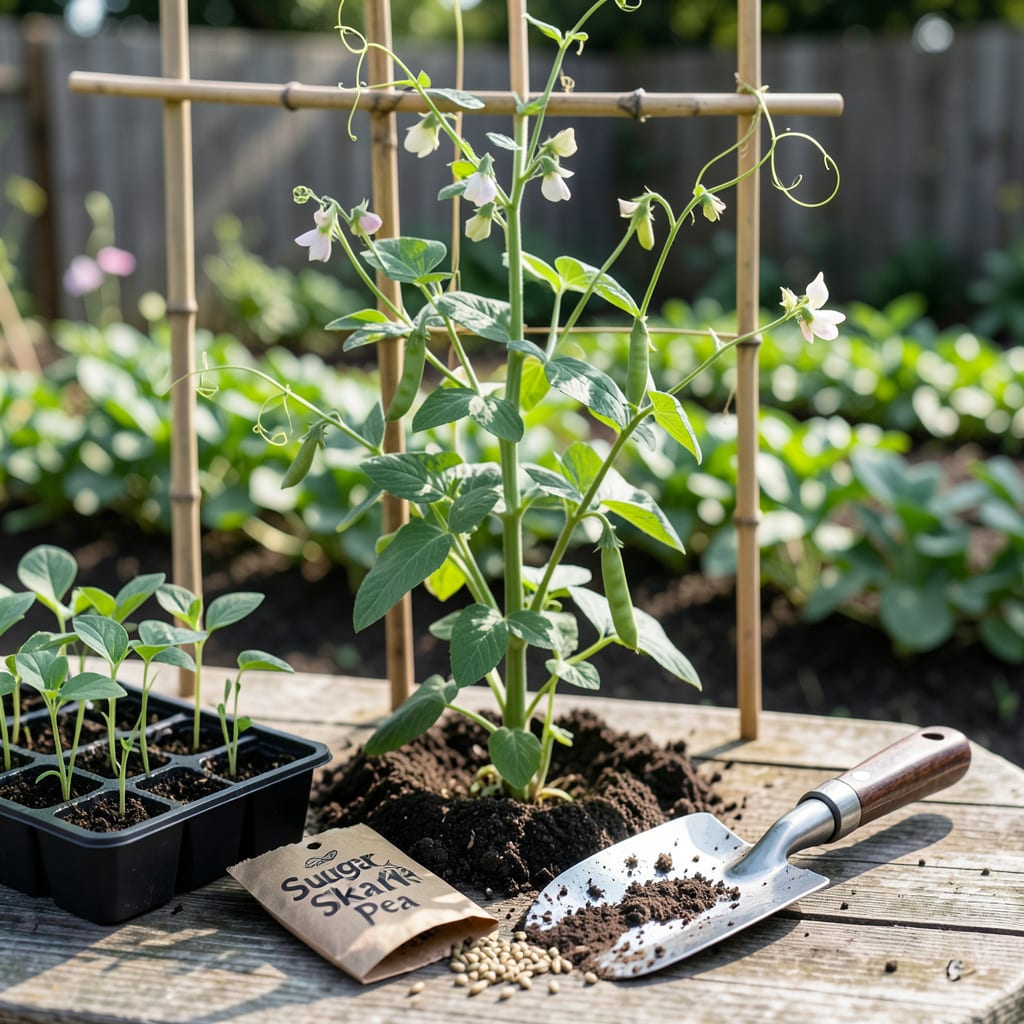
Timing can make or break your pea harvest in Utah. Plant too early, and a late frost might wipe out your seedlings. Wait too long, and the summer heat will leave you with stunted pods instead of sweet, plump peas.
After years of testing in Utah’s unpredictable climate, I’ve nailed down the perfect window for planting. Whether you’re in the Salt Lake Valley or higher elevations, I’ll show you exactly when to get those seeds in the ground—so you can enjoy a bountiful harvest of 🌱 peas by early summer.
Utah’s diverse climate means your pea planting window varies dramatically depending on where you live. In Northern Utah (zones 4–6), you’ll want to plant as early as late March, while Southern Utah gardeners (zones 7–9) can push planting into early April.
The key is working around Utah’s last frost dates. In Salt Lake City, the average last frost is May 10, but higher elevations like Park City may see frosts until June 1. Peas thrive in cool weather, so aim to plant 4–6 weeks before your last expected frost.
For the best results, check your soil temperature with a thermometer. Peas germinate best when soil is 40–75°F. In Utah’s clay-heavy soil, I recommend amending with compost or sand to improve drainage before planting.
If you’re in a high-elevation area like Heber or Kamas, consider starting peas indoors in biodegradable pots 3–4 weeks before transplanting. This gives you a head start while avoiding frost damage. Southern Utah gardeners can often sneak in a fall crop planted in late August.
For variety selection, cold-hardy types like ‘Green Arrow’ or ‘Sugar Snap’ perform exceptionally well in Utah. These varieties tolerate light frosts and mature quickly, which is ideal for our short spring window before summer heat arrives.
Don’t forget to soak your seeds overnight before planting—this speeds germination in Utah’s often-dry spring conditions. Plant seeds 1 inch deep and 2 inches apart in rows, or use a broadcast method for a more natural look in raised beds.
If you’re dealing with alkaline soil (common in Utah), a light application of sulfur or peat moss can help lower the pH slightly. Peas prefer a pH of 6.0–7.5, so test your soil if you’ve had poor germination in the past.
For those in urban areas like Salt Lake City or Ogden, microclimates can create pockets where peas thrive earlier. Watch for south-facing walls or slopes—these warm up faster and can allow planting 7–10 days earlier than the general guidelines.
Finally, keep an eye on the 10-day forecast before planting. If nighttime temps are still dipping below 25°F, hold off or use row covers to protect emerging seedlings. With the right timing, you’ll be harvesting sweet peas by early June! 🌱
Utah’s growing season can feel frustratingly short, especially when you’re trying to coax every last pea from your vines. The secret? Succession planting and smart variety choices. I’ve found that planting ‘Green Arrow’ peas in two-week intervals gives me fresh pods for weeks longer than a single planting.
Start your first batch 4–6 weeks before your last frost, then sow a second round 10–14 days later. In Salt Lake City, that means planting around March 15 and again by March 30. Southern Utah gardeners can push their second planting into early April for a staggered harvest.
One of the biggest mistakes I see in Utah gardens is overwatering peas in our clay soil. Peas need consistent moisture, but soggy roots lead to rot. Aim for 1 inch of water per week, and always water in the early morning to let foliage dry before cooler nights.
For a fall harvest, plant a final round in late August (Southern Utah) or early August (Northern Utah). Use shade cloth to protect young plants from late-summer heat, then remove it once temps drop below 80°F. This trick works especially well in areas like Cedar City or Moab.
Don’t overlook soil prep—Utah’s alkaline soil can lock out nutrients. Mix in 1–2 inches of compost and a handful of bone meal at planting to give peas a nutrient boost. If your soil is heavy clay, consider raised beds filled with a 50/50 blend of garden soil and compost for better drainage.
Finally, watch for heat stress as June approaches. When temps climb above 75°F, peas stop producing. Extend your season by planting near north-facing fences or using 30% shade cloth during peak afternoon sun. With these tricks, I’ve harvested peas as late as early July in my Salt Lake garden! 🌿
Utah’s climate throws some serious curveballs at pea growers. Between late spring frosts, sudden heatwaves, and that notorious alkaline clay soil, it’s no wonder many gardeners struggle. But after years of trial and error in my own Utah garden, I’ve learned how to turn these challenges into advantages.
The biggest threat to young pea plants is late-season frost. In Utah, we often see freezing temps well into April or even May, especially in higher elevations. I’ve lost count of how many times I’ve had to replant after an unexpected cold snap. The solution? Row covers and cold-hardy varieties like ‘Green Arrow’ that can handle temps down to 20°F.
When Utah’s summer heat hits in June, pea plants shut down production. I combat this by planting near north-facing fences or using 30% shade cloth during peak afternoon sun. This simple trick has extended my harvest by 2–3 weeks in Salt Lake City’s urban heat islands.
Utah’s clay-heavy soil is another major hurdle. Peas need well-draining soil to prevent root rot, but our native clay holds water like a sponge. My go-to solution is raised beds filled with a mix of 50% garden soil, 30% compost, and 20% coarse sand. This creates the perfect balance of moisture retention and drainage.
For those dealing with alkaline soil (common in areas like Provo or Orem), a light dusting of elemental sulfur or peat moss at planting time helps lower the pH. Peas prefer a slightly acidic to neutral soil (pH 6.0–7.5). I test my soil every spring—it’s the only way to know exactly what amendments your garden needs.
Finally, don’t underestimate the power of mulching. A 2-inch layer of straw around pea plants helps regulate soil temperature, retains moisture, and suppresses weeds. This is especially helpful in Utah’s dry spring winds that can desiccate young plants overnight. With these strategies, you’ll be harvesting sweet, crisp peas despite Utah’s challenging conditions! 🌿
Peas are cold-hardy and can tolerate light frosts. In fact, they thrive in cool weather. Plant seeds 4-6 weeks before your last expected frost—this is typically late March to early April for most Utah regions. Just avoid planting when soil is still frozen or waterlogged.
For areas above 5,000 feet, choose fast-maturing, cold-tolerant varieties like ‘Green Arrow’ or ‘Early Frosty’. These mature in 55-60 days and handle Utah’s late spring frosts better than standard varieties. Consider starting seeds indoors if your growing season is extremely short.
Use floating row covers or cloches to shield young plants when nighttime temps drop below 25°F. For unexpected cold snaps, cover plants with old blankets or burlap before sunset and remove by 10 AM the next morning. This prevents frost damage without overheating plants.
In Southern Utah (zones 7-9), yes! Plant in late August for a fall harvest. Northern gardeners have less success due to early frosts, but you can try ‘Oregon Sugar Pod’ (fast-growing) with row covers. Fall peas often taste sweeter due to cooler growing conditions.
Utah’s heavy clay compacts easily and drains poorly. Amend soil with 2-3 inches of compost and 1 inch of coarse sand before planting. Consider raised beds filled with a 50/50 mix of garden soil and compost for best results. Peas need well-draining soil to prevent root rot.
