
Beautiful Plants For Your Interior
Beautiful Plants For Your Interior
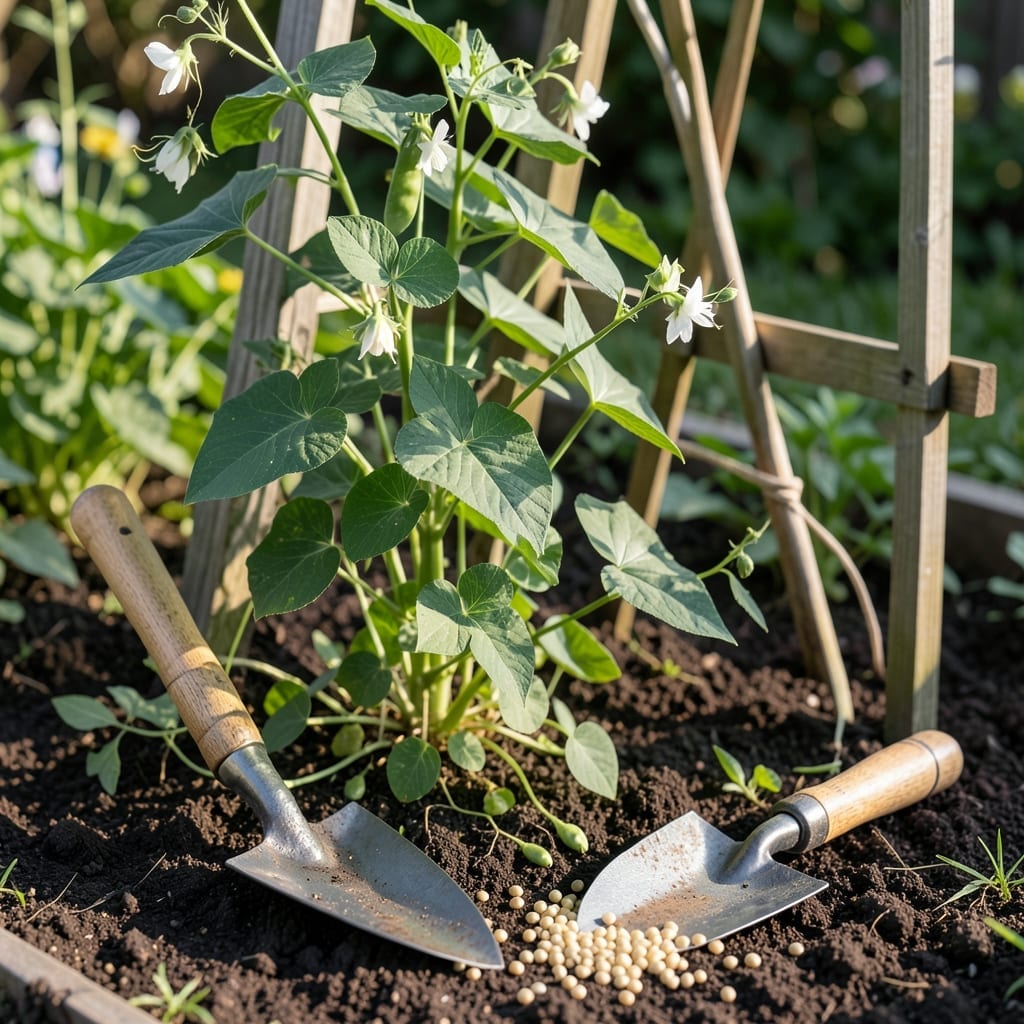
Timing is everything when planting Pea 🌱 in Upstate NY, where the cool climate creates perfect conditions for this hardy crop.
Get it right, and you’ll enjoy a bountiful harvest of sweet, crisp peas twice a year. Our region’s unique zones 5b-6a mean you can take advantage of both early spring and fall planting windows.
I’ve tested various approaches in my own garden, and the difference proper timing makes is game-changing. Whether you’re a first-time gardener or a seasoned pro, nailing the schedule is the key to success.
Let me walk you through the exact dates and techniques that work best in our neck of the woods. You’ll be picking fresh peas before you know it.
Upstate NY’s cool climate is ideal for peas, but timing is key. I’ve found early spring and fall planting work best, as peas thrive in 40-75°F soil and tolerate light frost. The region spans USDA zones 4-6, so adjust for your microclimate.
For spring planting, aim for 4-6 weeks before the last frost—typically late March to early April. Fall planting should start 8-10 weeks before the first frost, around mid-August in most areas. 🌱
| Planting Window | Soil Temp | Key Notes |
|---|---|---|
| Early Spring | 40-50°F | Plant as soon as soil is workable |
| Late Spring | 50-75°F | Avoid planting if temps exceed 75°F |
| Fall | 50-70°F | 8-10 weeks before first frost |
In higher elevations or near the Finger Lakes, temperatures can dip lower. I recommend using a soil thermometer to confirm conditions. Peas germinate poorly in cold, waterlogged soil, so wait for dry spells. 🌿
For zone 4 areas like the Adirondacks, start seeds indoors 2-3 weeks early to extend the season. In zone 6 (e.g., near Albany), you can push spring planting to early March if the ground isn’t frozen.
Peas are frost-hardy, but late frosts in May can damage young plants. I always cover seedlings with row fabric if night temps drop below 25°F. This simple step has saved my crops more than once.
Fall planting offers a second harvest with fewer pests. Varieties like ‘Wando’ are heat-tolerant, perfect for late summer sowing. Just ensure plants mature before hard frosts hit—usually by mid-October in most areas.
Soil prep is critical. I amend beds with compost and ensure a pH of 6.0-7.5. Peas fix nitrogen, so avoid high-nitrogen fertilizers. Instead, focus on phosphorus and potassium for strong roots. ☀️
For succession planting, sow new seeds every 2 weeks in spring until temps rise above 75°F. This staggered approach keeps my kitchen supplied with fresh peas for months. Just thin seedlings to 2 inches apart for best results.
Finally, don’t forget trellising—even dwarf varieties benefit from support. I use bamboo stakes or netting to keep vines off the ground, reducing disease risk and making harvest easier. With the right timing and care, you’ll enjoy peas from spring to fall. 🌱
In Upstate NY, you can plant peas twice a year. Spring planting offers cooler temperatures and fewer pests, while fall planting extends your harvest into autumn. Both have unique advantages.
I’ve found that spring peas thrive when sown 4-6 weeks before the last frost, typically late March to early April. Fall peas do best when planted in late July to early August. 🌱
For spring planting, ensure soil is workable and at least 40°F. Peas tolerate light frosts, so don’t fear early chills. In fall, aim to harvest before the first hard frost hits.
I recommend succession planting every 2 weeks in spring for a continuous harvest. This works well in Upstate NY’s zones 5b-6a, where the growing season is long enough. 🌿
Variety selection matters too. For spring, try early producers like ‘Sugar Ann’. For fall, opt for late-season varieties such as ‘Wando’ that mature in about 70 days.
Finally, remember that soil prep differs by season. In spring, a light fertilizer boosts growth. In fall, compost helps retain warmth as temperatures drop. ✂️