
Beautiful Plants For Your Interior
Beautiful Plants For Your Interior
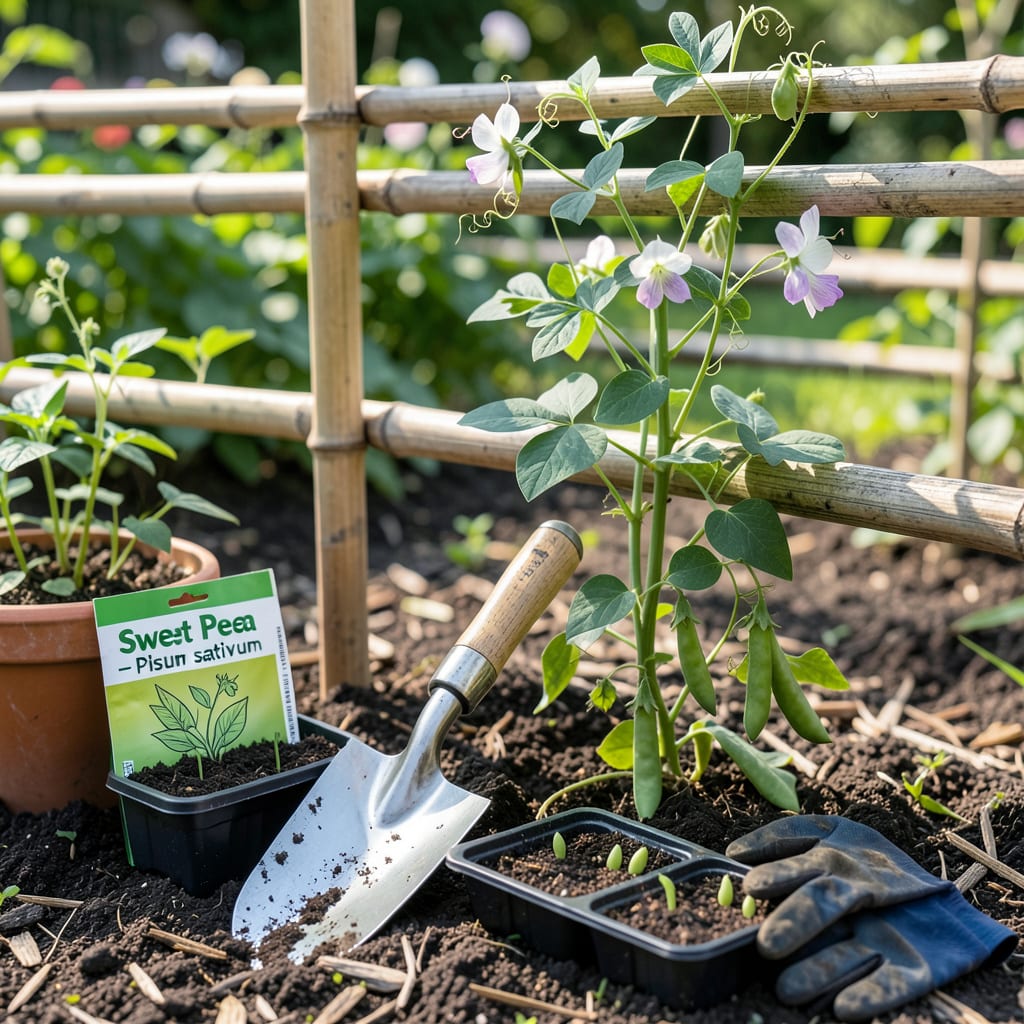
Timing your pea planting in Oregon can mean the difference between a bountiful harvest and a disappointing flop. Plant too early, and frost might nip your tender shoots; wait too long, and summer heat will turn those sweet pods into tough, starchy disappointments.
After years of testing and tweaking, I’ve nailed down the perfect windows for Oregon’s diverse zones—whether you’re in the misty coast or the high desert. Let me show you exactly when to get those 🌱 peas in the ground for the juiciest, most tender harvests of the season.
If you’re eager to grow sweet, crisp peas in Oregon, timing is your secret weapon. Peas are cool-season crops that thrive in temperatures between 40–70°F, making them perfect for early spring or late summer planting. Plant too late, and Oregon’s summer heat will turn your pods starchy and tough.
Oregon’s diverse climate—from the misty coast to the high desert—means planting dates vary widely. Your USDA hardiness zone (ranging from 7a to 9b here) and local frost dates will dictate the best window. Let’s break it down by region so you can plant with confidence.
For spring planting, aim to sow peas 4–6 weeks before your last frost date. In the Willamette Valley, that means getting seeds in the ground by late February or early March. Coastal gardeners can start even earlier thanks to milder winters.
If you miss the spring window, don’t worry—fall planting is your backup. Sow seeds in late summer (August to early September) for a second harvest before winter. Just ensure your peas have 60–70 days to mature before the first frost hits.
Peas germinate best when soil temperatures are between 40–75°F. Use a soil thermometer to check—if it’s too cold, seeds may rot. In colder zones like Central Oregon, wait until soils warm to at least 45°F before planting.
Microclimates matter too! If you’re in Portland’s urban heat islands, your soil may warm faster than rural areas. Conversely, high-elevation gardens (like Bend) should delay planting by 2–3 weeks to avoid late frosts.
Pro tip: Succession planting works wonders in Oregon. Sow a new batch every 2–3 weeks until early May to extend your harvest. Pair this with fast-maturing varieties like ‘Oregon Sugar Pod’ (55 days) for reliable results.
Watch for late spring frosts, especially in Zone 7a and below. Use row covers or cloches to protect young seedlings if temperatures dip below 28°F. Peas can handle light frosts, but prolonged freezes will damage tender shoots.
Finally, remember that fall-planted peas often taste sweeter! Cooler temperatures slow starch development, keeping pods tender and flavorful. Just be sure to mulch heavily to insulate roots as nights grow chilly.
Oregon’s weather can be a rollercoaster—one week it’s pouring rain, the next you’re bracing for a surprise heatwave. To get the most from your pea plants, you’ll need to outsmart Mother Nature with a few clever strategies. Here’s how I stretch my harvest from early spring to late fall.
First, succession planting is your best friend. Instead of sowing all your seeds at once, plant a new batch every 2–3 weeks until early May. This staggers your harvest so you’re not overwhelmed with peas all at once—and ensures you’ll have fresh pods even if one planting fails.
Mix ‘Oregon Sugar Pod’ (55 days) for quick harvests with ‘Green Arrow’ (68 days) to extend your season. Early varieties avoid heat stress; late ones thrive in cooler fall temps.
Drape floating row covers over seedlings to guard against late frosts (spring) or early heatwaves (fall). Remove covers on warm days to prevent overheating.
Sow seeds in late August for a fall crop. Cooler temps slow starch production, making pods extra sweet and tender. Mulch heavily to protect roots as nights cool.
For spring plantings, start seeds indoors in biodegradable pots 4 weeks before your last frost. Transplant seedlings when they’re 2–3 inches tall and soils reach 45°F. This gives you a head start in cooler zones like Central Oregon.
Don’t forget to trellis climbing varieties early! Peas grow fast, and vines can become tangled without support. Use bamboo stakes or netting to keep plants upright, which improves air circulation and reduces disease risk. Bush varieties still benefit from light support to keep pods off the ground.
Watering consistency is key—especially in Oregon’s dry summer months. Aim for 1 inch per week, including rain. Use a drip irrigation system to keep foliage dry and prevent fungal issues. In fall, reduce watering as temps drop but don’t let soil dry out completely.
Finally, harvest daily once pods start producing. Peas left too long on the vine turn starchy and signal the plant to stop producing. Pick in the early morning when pods are plump but still crisp. Store unwashed peas in the fridge for up to 5 days—or blanch and freeze for longer storage.
By combining these tips, I’ve stretched my pea season to nearly 6 months—from early May to late October. With a little planning, you can too! 🌱
Even experienced gardeners can stumble when growing peas in Oregon’s finicky climate. I’ve seen first-time planters and seasoned pros alike make avoidable errors that cost them a bountiful harvest. Let’s tackle the most common pitfalls so your pea plants thrive instead of struggle.
The biggest mistake? Planting at the wrong time. Peas despise heat, and Oregon’s summers can sneak up fast. If you sow seeds after mid-May in the Willamette Valley, your plants will wilt under 80°F+ temperatures, producing tough, bitter pods. Stick to the early spring or late summer windows we discussed earlier.
Another critical error is neglecting pest control. Oregon’s damp springs create a slug paradise, and these pests can decimate young pea seedlings overnight. Set up beer traps or sprinkle diatomaceous earth around plants. For aphids (common in late spring), blast them off with water or introduce ladybugs.
Don’t overlook soil prep either. Peas hate heavy, clay-rich soils (looking at you, Portland gardeners!). Amend beds with compost or sand to improve drainage. A quick test: If water pools on the surface after rain, your soil needs help. Raised beds are a great solution for clay-heavy areas.
Finally, many gardeners forget to inoculate their pea seeds. Peas are nitrogen-fixing plants, but they need rhizobium bacteria to do it. Buy pre-inoculated seeds or dust plain seeds with inoculant before planting. This step boosts growth and reduces the need for fertilizer—especially important in Oregon’s nutrient-lean soils.
By sidestepping these mistakes, you’ll set your peas up for success. Remember: Oregon’s climate is your biggest ally or enemy—work with it, not against it, and you’ll be rewarded with the sweetest, crunchiest pods of your gardening career! 🌿
Summer planting is risky in most of Oregon. Peas thrive in cool weather (40–70°F) and struggle when temperatures exceed 80°F. For a fall harvest, plant in late July to early September instead. Coastal areas may tolerate slightly later plantings.
Use floating row covers or cloches to shield seedlings if temps drop below 28°F. Remove covers during the day to prevent overheating. In Zone 7a and colder, consider planting in raised beds, which warm faster and drain better.
Peas prefer well-draining soil with a pH of 6.0–7.5. Amend heavy clay (common in Portland) with compost or sand. Avoid high-nitrogen fertilizers—peas fix their own! A light dusting of bone meal at planting supports root development.
This usually happens when plants mature in hot weather (above 75°F). Harvest pods promptly when they’re plump but still bright green. For sweeter peas, plant in early spring or late summer and pick in the morning.
Choose a container at least 8 inches deep with drainage holes. Bush varieties like ‘Tom Thumb’ work best. Place in full sun and water every 3–4 days, as pots dry out faster than garden beds.
