
Beautiful Plants For Your Interior
Beautiful Plants For Your Interior
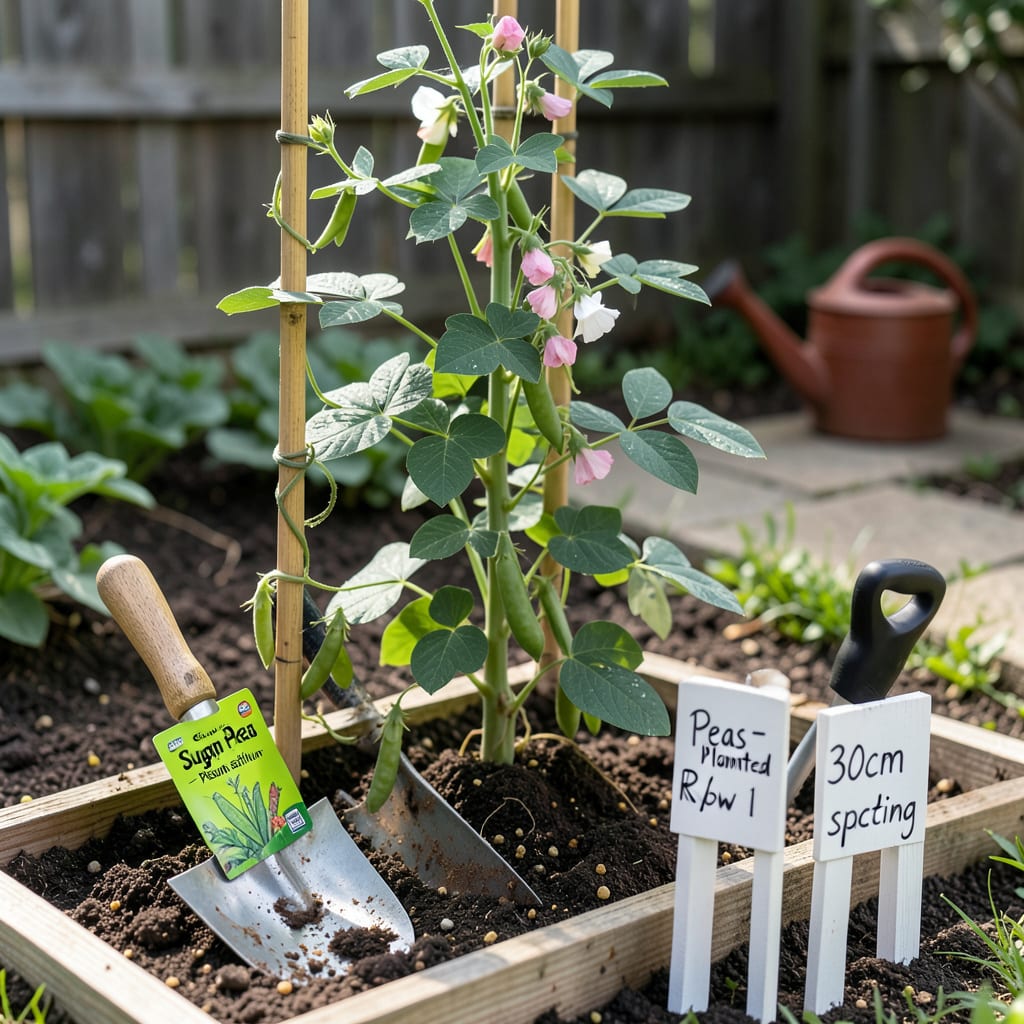
If you’ve ever planted 🌱 peas in Ohio only to watch them struggle through unpredictable springs or wilt in summer heat, you know timing isn’t just important—it’s everything. One week can mean the difference between sweet, crisp pods and a disappointing harvest.
After years of testing and adjusting to Ohio’s finicky climate (especially in zones 5b-6b), I’ve nailed down the exact windows that work. Let me show you how to sync with frost dates, soil temps, and even microclimates in your own backyard for a pea patch that thrives.
Ohio’s climate isn’t one-size-fits-all—what works in Cincinnati’s Zone 6b won’t fly in Cleveland’s Zone 5b. I’ve divided the state into three regions to help you pinpoint the perfect planting window. The secret? Watching soil temperature (40-70°F) and last frost dates like a hawk.
Northern Ohio (Toledo, Cleveland) runs cooler, so you’ll plant later than Southern Ohio (Cincinnati, Dayton). Central Ohio (Columbus) splits the difference. Let’s break down the exact timing for each, including those sneaky microclimate adjustments that can extend your season.
| Region | Early Spring Planting | Fall Planting | Last Frost Date | Soil Temp Threshold |
|---|---|---|---|---|
| Northern Ohio | March 20 – April 10 | July 15 – August 1 | May 10 | 45°F minimum |
| Central Ohio | March 10 – March 30 | July 10 – July 25 | April 15 | 42°F minimum |
| Southern Ohio | February 25 – March 15 | June 25 – July 10 | April 1 | 40°F minimum |
*Data based on OSU Extension guidelines and 10-year frost averages
Notice how Southern Ohio gardeners can start 3-4 weeks earlier than Northern Ohio? That’s because their last frost date arrives sooner. But here’s the kicker: fall planting is where many Ohio gardeners miss out. Those July-August windows let you sneak in a second crop before winter.
For early spring planting, I always check soil temps with a thermometer—don’t trust air temps! Peas germinate poorly in cold soil. If you’re in a colder microclimate (like near Lake Erie), add 2-3 weeks to your spring dates. Urban areas often warm faster due to heat islands.
Pro tip: Use row covers to warm soil 2-3 weeks earlier in spring. In fall, they’ll protect young plants from unexpected frosts. I’ve extended my season by 3 weeks using this trick in Columbus. Just
The fall planting window is tighter than spring—you need peas to mature before the first frost. Count backward from your first frost date (October 10-20 for most of Ohio) and add 70 days (average maturity time). That’s why Southern Ohio’s fall window starts in late June!
Don’t forget about succession planting! For continuous harvests, I plant new seeds every 10-14 days until mid-May. This staggers maturity so you’re not overwhelmed with pods all at once. The same technique works in fall, but stop planting by early August in Northern Ohio.
If you’re in a urban area like Cincinnati or Cleveland, watch for heat retention from pavement. This can create microclimates that are 5-10°F warmer than surrounding areas. I’ve seen downtown Columbus gardens thrive when suburban ones struggle with late frosts.
For the most accurate dates, I recommend using the OSU Extension’s frost calculator or checking your local NOAA climate data. These tools account for recent climate shifts—Ohio’s last frost dates have been creeping earlier by about 3 days per decade.
Remember, peas are cool-season crops—they stop producing when temps hit 80°F. That’s why timing is everything. Plant too late in spring, and you’ll get flowers but no pods. Plant too early in fall, and they’ll bolt before maturing. Stick to these windows, and you’ll be rewarded with sweet, crisp peas all season.🌱
Getting your peas in the ground at the right time is crucial, but it’s only half the battle. I’ve learned through trial and error that five critical factors make or break your Ohio pea harvest. These go beyond just timing and can dramatically improve your success rate, especially in our unpredictable Midwest climate.
First up is soil preparation—peas thrive in loose, well-draining soil with a pH between 6.0-7.5. Ohio’s clay-heavy soils often need amending with compost or sand. I always work in 2-3 inches of organic matter before planting to improve both drainage and nutrient availability.🌱
The moisture balance is particularly tricky in Ohio’s springs. Our weather can swing from drought to downpours in days. I recommend using drip irrigation or soaker hoses to maintain even moisture. Mulching with straw helps retain water while keeping soil cool as temps rise.
When selecting varieties, consider Ohio’s short spring window. I’ve had great success with ‘Green Arrow’ (65 days) for its heat tolerance and ‘Oregon Sugar Pod’ (60 days) for snap peas. For fall planting, ‘Wando’ (70 days) handles cooler temps beautifully. Always check the days-to-maturity against your frost dates.
One mistake I see often is over-fertilizing. Peas are legumes and fix their own nitrogen. A light application of phosphorus-heavy fertilizer at planting is plenty. Too much nitrogen leads to lush vines but few pods. I use a half-strength fish emulsion once when plants are 4 inches tall, then nothing more.
Don’t underestimate the power of season extension tools. In early spring, I use row covers to warm soil and protect young plants from late frosts. These can buy you 2-3 extra weeks of growing time. In fall, they’ll shield plants from early cold snaps while still allowing sunlight through.
Finally, watch for common Ohio pests like aphids and pea weevils. I plant nasturtiums nearby as a trap crop and use insecticidal soap only if absolutely necessary. Our humid summers can also bring powdery mildew—space plants 2 inches apart for airflow and water at the base to keep foliage dry.☀️
Not all peas are created equal when it comes to Ohio’s climate. After testing dozens of varieties across our state’s diverse regions, I’ve found that early-maturing types consistently outperform others. The key is matching days-to-harvest with your specific planting window—whether you’re in chilly Cleveland or warmer Cincinnati.
For spring planting, I recommend focusing on varieties that mature in 60 days or less. These will produce before summer heat shuts them down. Fall plantings can handle slightly longer maturity times (up to 70 days) since cooler autumn temps extend their productive period. Let me share my top performers for Ohio gardens.🌱
| Variety | Type | Days to Harvest | Best Planting Window | Heat Tolerance |
|---|---|---|---|---|
| Lincoln | Shelling | 60-65 | Early Spring | Moderate |
| Sugar Sprint | Snap | 55-60 | Spring/Fall | High |
| Green Arrow | Shelling | 65-70 | Early Spring | Good |
| Oregon Sugar Pod | Snow | 60-65 | Spring/Fall | Excellent |
| Wando | Shelling | 68-72 | Fall | Very Good |
*Based on Ohio State University Extension trials and my garden tests
For Northern Ohio gardeners, I particularly recommend ‘Sugar Sprint’ because of its 55-day maturity and excellent cold tolerance. It’s my go-to for Cleveland-area gardens where springs are slow to warm. The snap pea variety also produces well in containers if space is limited.
In Central Ohio, ‘Green Arrow’ performs exceptionally well thanks to its disease resistance and consistent yields. I’ve grown it successfully in Columbus for years. For fall plantings, ‘Wando’ is my top pick—it handles cooler temps better than most and produces right up until frost.
Southern Ohio gardeners have more flexibility. I love ‘Oregon Sugar Pod’ for both spring and fall crops. Its flat, tender pods are perfect for stir-fries, and the plants are incredibly productive. For shelling peas, ‘Lincoln’ remains a classic choice with reliable yields and good flavor.
Remember that seed quality matters—always choose fresh seeds from reputable suppliers. Old seeds have lower germination rates, which is especially problematic in our short Ohio springs. I recommend soaking seeds overnight before planting to speed germination in our sometimes-chilly soils.💧
Summer planting isn’t ideal for peas in Ohio. They thrive in cool weather and stop producing when temperatures exceed 80°F. For a summer harvest, focus on early spring planting (March-April) or plan for a fall crop in late July/early August.
For fall planting, aim to get seeds in the ground by early August in Northern Ohio or mid-July in Southern Ohio. Count backward from your first frost date (around October 15) and add 70 days for maturity. This timing ensures pods develop before cold weather arrives.
Peas germinate best when soil reaches at least 40°F, but 45-50°F is ideal. Use a soil thermometer to check—don’t rely on air temperature. In colder regions like Northern Ohio, consider using row covers to warm the soil 2-3 weeks earlier.
Soaking isn’t required, but it can speed germination in Ohio’s sometimes-chilly springs. Soak seeds overnight in lukewarm water, then plant immediately. This is especially helpful for early spring plantings when soil temperatures are still cool. Just don’t soak longer than 12 hours or seeds may rot.
