
Beautiful Plants For Your Interior
Beautiful Plants For Your Interior
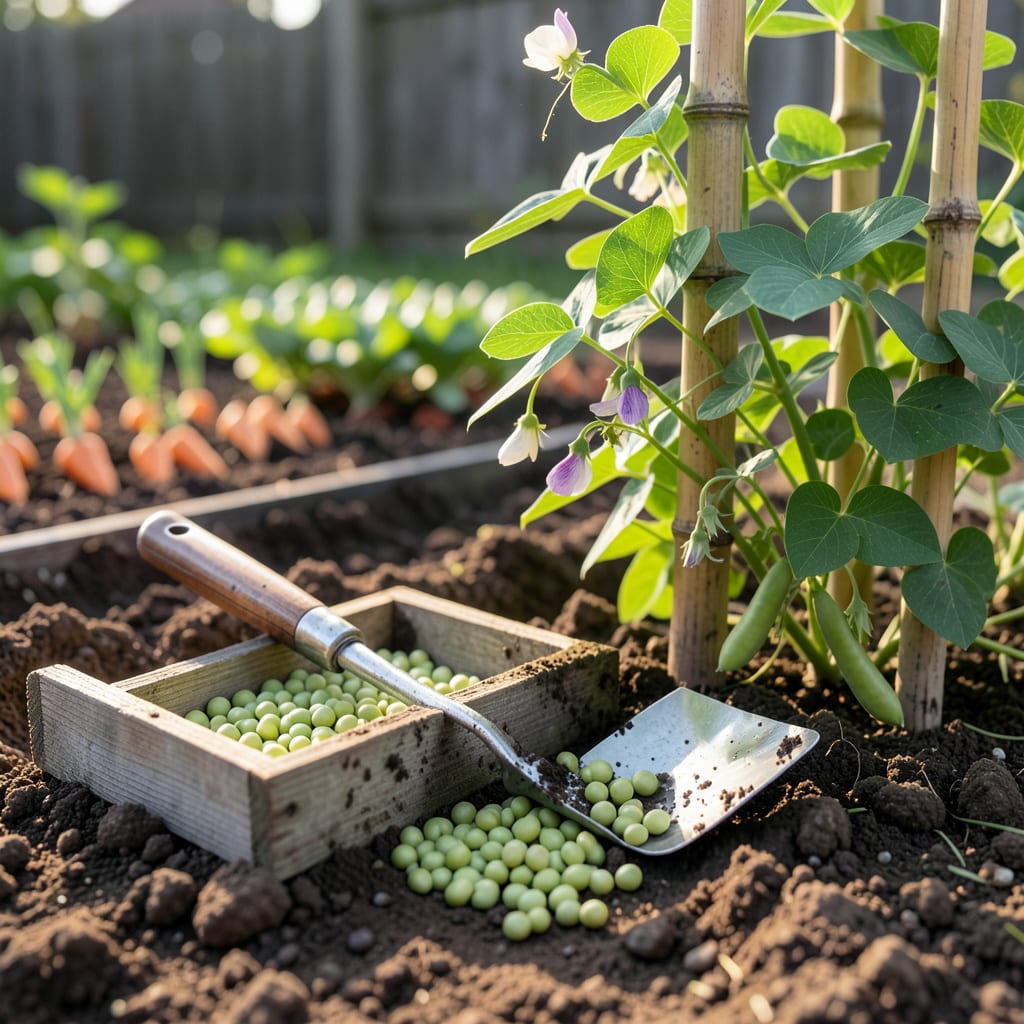
Timing your pea planting in North Carolina can mean the difference between a bountiful harvest and a disappointing yield. The secret lies in working with our state’s unpredictable springs and falls—not against them.
After years of testing different approaches in my own garden, I’ve pinpointed the perfect windows for both spring and fall plantings. Whether you’re in the mountains or along the coast, I’ll show you exactly when to get those 🌱 peas in the ground for the sweetest, crispest pods you’ve ever grown.
If you’ve ever wondered why your neighbor’s peas thrive while yours struggle, the answer often lies in regional timing. North Carolina’s diverse climate—from the coastal plains to the Appalachian foothills—means planting windows vary dramatically. Get it right, and you’ll harvest sweet, plump pods before summer heat shuts down production.
Peas are cool-season crops that demand soil temps between 40–75°F. Plant too early in frozen ground, and seeds rot. Wait too long, and spring heat turns flowers into crispy failures. The key? Align your calendar with last frost dates and your region’s microclimate quirks.
| Region | Spring Planting | Fall Planting | Last Frost Date | First Frost Date |
|---|---|---|---|---|
| Coastal NC | Feb 1–Mar 15 | Sep 1–Oct 1 | Mar 20 | Nov 10 |
| Piedmont | Mar 1–Apr 1 | Aug 15–Sep 15 | Apr 10 | Oct 15 |
| Mountains | Apr 1–May 1 | Aug 1–Sep 1 | May 1 | Oct 1 |
Coastal gardeners enjoy a 2–3 week head start over the Piedmont, thanks to milder winters. In the mountains, wait until April 1 to avoid late frosts—those zone 6b valleys can dip below 30°F well into spring. For fall crops, count backward from your first frost date and plant 10–12 weeks prior.
Soil temperature is your secret weapon. Use a soil thermometer (or check local ag extension reports) to confirm 40°F minimum. Pro tip: Soak seeds overnight to speed germination in cooler soils. If your ground is still frozen, try container planting on a sunny patio—just transplant before roots circle.
Don’t overlook succession planting for extended harvests. Sow a new batch every 2–3 weeks until mid-April (or early September for fall). This staggers maturity, so you’re not drowning in peas all at once. Pair early varieties like ‘Oregon Sugar Pod’ (58 days) with later ones like ‘Lincoln’ (68 days) for a rolling harvest.
Watch the 10-day forecast before planting. If nighttime temps will drop below 25°F, hold off or use row covers. Peas can handle light frosts, but hard freezes kill young seedlings. In the Piedmont, late April frosts aren’t uncommon—keep old blankets handy for emergency coverage.
Humidity and powdery mildew plague NC’s summers, so aim to harvest spring peas by early June. For fall crops, plant by mid-September in most regions to beat the first frost. Need exact dates? Plug your ZIP code into the Almanac Frost Calculator—it’s my go-to for hyper-local planning.
Remember: Peas grow best when days are cool (60–70°F) and nights are chilly (40–50°F). If your spring-planted peas hit a heatwave (80°F+), they’ll stop setting pods. That’s why fall planting often yields sweeter peas—cooler nights concentrate sugars. Mulch heavily with straw or shredded leaves to keep roots cool.
Still unsure? Here’s my foolproof rule: Plant peas when forsythia blooms in your area. Nature’s calendar is surprisingly accurate. And if all else fails, start indoors in peat pots 4 weeks early—just harden off seedlings before transplanting to avoid shock.
By tailoring your timing to NC’s microclimates and watching those soil temps, you’ll outpace most gardeners’ pea harvests. Now grab those seeds—your sweetest, crunchiest peas are just a well-timed planting away! 🌱
Even with perfect timing, some common mistakes can derail your pea harvest before it starts. I’ve seen gardeners lose entire crops to issues that are easily avoidable with a little know-how. Let’s tackle the top 3 pitfalls NC growers face—and how to sidestep them.
The first blunder is ignoring soil prep. Peas thrive in well-draining, slightly acidic soil (pH 6.0–7.0). If your garden bed is heavy clay or compacted, those tender roots will struggle. Work in 2–3 inches of compost and a handful of aged manure before planting to boost fertility and drainage.
Skipping soil prep leads to stunted plants and poor pod formation. Test your soil’s drainage by digging a 12-inch hole, filling it with water, and timing how long it takes to drain. If it’s still wet after 4 hours, amend with sand or perlite.
Next up: misjudging frost risk. North Carolina’s late spring frosts (especially in the Piedmont and mountains) can wipe out young pea seedlings overnight. While peas tolerate light frosts, a hard freeze below 25°F spells disaster. Always check the 10-day forecast before planting.
If cold snaps threaten, protect seedlings with row covers or cloches. I’ve saved countless plants by draping old bedsheets over my pea trellises on chilly nights. Remove covers during the day to prevent overheating. For extra security, plant near a south-facing wall or fence—it radiates warmth overnight.
The third critical error is overlooking pests. In NC’s humid springs, aphids and cutworms target young pea plants. Aphids cluster on new growth, sucking sap and spreading disease, while cutworms sever stems at soil level. Both can destroy a crop in days if left unchecked.
Combat aphids with a strong blast of water from the hose—knock them off before they multiply. For cutworms, wrap cardboard collars around seedlings at planting. I make mine from toilet paper rolls, buried 1 inch deep. Diatomaceous earth sprinkled around the base deters both pests without chemicals.
Bonus tip: Avoid over-fertilizing. Peas are legumes that fix their own nitrogen. Too much fertilizer (especially high-nitrogen blends) leads to lush foliage but few pods. Stick to a low-nitrogen, high-phosphorus fertilizer (like 5-10-10) at planting, then let the plants do their thing.
By dodging these three mistakes—poor soil, frost surprises, and pest neglect—you’ll set your peas up for success. A little prevention now means sweeter, crisper pods later. Your future self (and your taste buds) will thank you! 🌱
Not all peas are created equal—especially in North Carolina’s humid springs and unpredictable falls. After testing dozens of varieties in my own garden, I’ve narrowed it down to the top performers that laugh at our state’s mood swings. The right choice means fewer diseases, better heat tolerance, and sweeter pods.
For spring planting, focus on fast-maturing varieties that beat the heat. ‘Sugar Sprint’ (55 days) and ‘Oregon Sugar Pod’ (58 days) are my go-tos—they’ll be harvested before June’s scorchers arrive. If you’re planting for fall harvests, opt for disease-resistant types like ‘Lincoln’ (68 days) or ‘Wando’ (70 days), which handle cooler nights like champs.
| Variety | Type | Days to Harvest | Heat Tolerance | Best For |
|---|---|---|---|---|
| Sugar Sprint | Snap | 55 | High | Early spring |
| Oregon Sugar Pod | Snap | 58 | Medium | Succession planting |
| Lincoln | Shelling | 68 | Low | Fall crops |
| Wando | Shelling | 70 | Medium | Humid climates |
| Snowbird | Snow | 58 | High | Late spring |
If powdery mildew plagues your garden (a common issue in NC’s Piedmont humidity), prioritize disease-resistant varieties like ‘Cascadia’ (snap, 60 days) or ‘Green Arrow’ (shelling, 70 days). These hold up better in damp conditions and still produce tender, flavorful pods even when other plants wilt.
For small spaces or container gardening, bush varieties like ‘Tom Thumb’ (50 days) or ‘Little Marvel’ (60 days) stay compact at 18–24 inches tall. They’re perfect for patios or balcony gardens—just provide a small trellis for support. I’ve grown ‘Tom Thumb’ in 5-gallon buckets with great success!
Pro tip: Mix snap peas (edible pods) with shelling peas (sweet seeds) for variety. ‘Sugar Ann’ (snap, 56 days) and ‘Maestro’ (shelling, 60 days) make a fantastic duo. Plant them together, and you’ll enjoy crunchy snacks and sweet peas for shelling—all from the same trellis!
Remember, seed freshness matters. Peas lose viability quickly, so always check the pack date and store unused seeds in the fridge for next season. With the right varieties and a little TLC, you’ll be swimming in peas before you know it! 🌱
No, summer heat is the enemy of peas. They thrive in cool weather (40–75°F) and stop producing pods when temps exceed 80°F. Stick to spring (Feb–Apr) or fall (Aug–Oct) plantings for best results.
Use a soil thermometer to check temps at 2-inch depth. Peas need 40°F minimum to germinate. If your soil feels cold to the touch or reads below 40°F, wait a week and test again.
Count backward 10–12 weeks from your area’s first frost date. In the Piedmont, aim for Aug 15–Sep 15; coastal gardeners can push to Oct 1. Use fast-maturing varieties like ‘Sugar Sprint’ (55 days).
Most peas climb, but bush varieties (like ‘Tom Thumb’) stay under 2 feet tall and don’t require support. For vining types (4–6 feet), use a trellis, fence, or stakes to keep pods off the ground and improve air circulation.
This usually happens when temps spike above 80°F during flowering. Peas also drop flowers if stressed by drought or over-fertilization. Mulch heavily and water consistently (1 inch/week) to keep soil cool and moist.
