
Beautiful Plants For Your Interior
Beautiful Plants For Your Interior
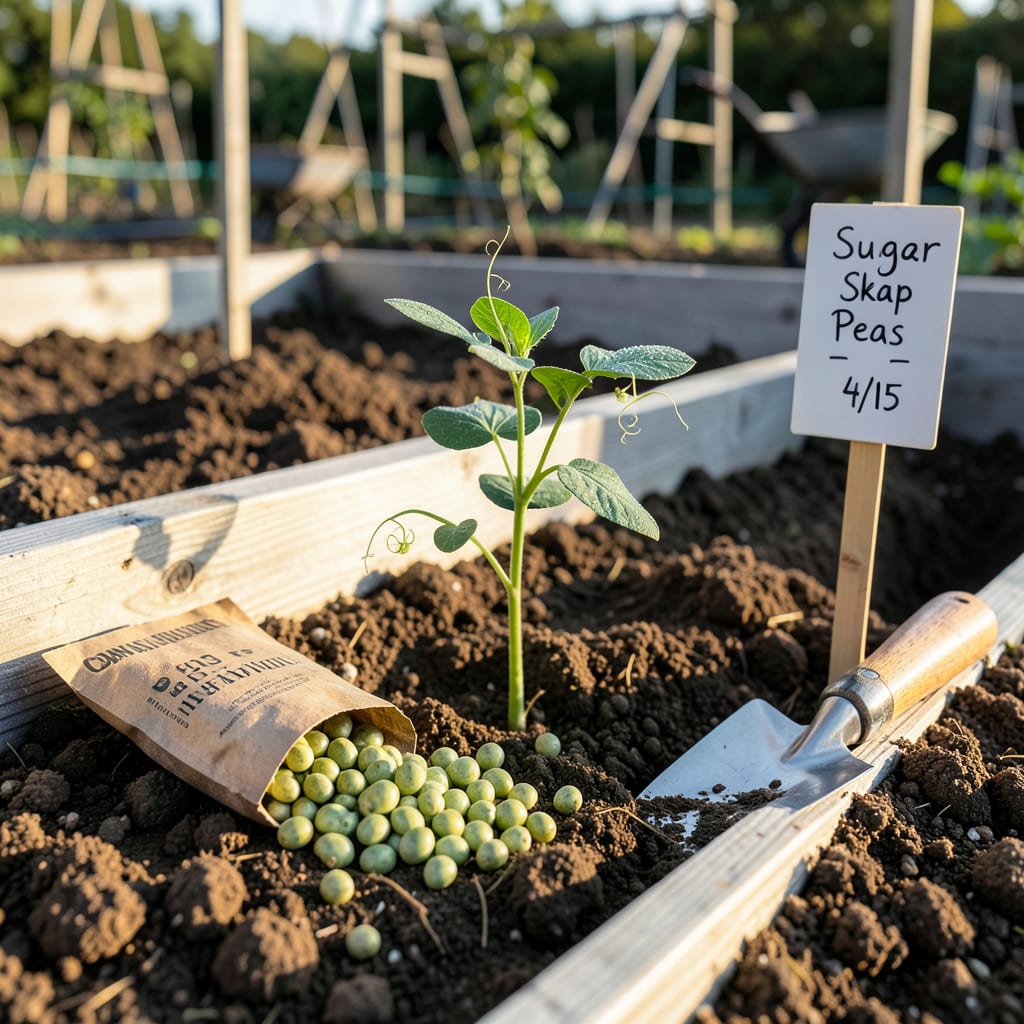
Timing your pea planting in Michigan can mean the difference between a bountiful harvest and a disappointing yield. These cool-season favorites thrive when the soil is just right—not too cold, not too warm—but nailing that window in Zones 5b-6b requires a bit of strategy.
I’ve tested the ideal planting windows for both spring and fall crops, and the results might surprise you. Whether you’re dreaming of crisp snap peas or sweet shelling varieties, we’ll break down exactly when to get those seeds in the ground for the sweetest, most productive harvests of the season.
Peas thrive in Michigan’s cool springs and falls, but nailing the timing is key. As a cool-season crop, they’ll bolt or fail if planted when soil is too warm. In Zone 5, aim for soil temps between 40°F–75°F—any hotter, and germination plummets.
I always check Michigan’s last frost date (around May 10–20, depending on location) and count backward. For spring peas, sow 4–6 weeks before that date. Fall plantings go in late July to early August for a September harvest.
| Variety | Spring Planting | Fall Planting | Days to Harvest |
|---|---|---|---|
| Shelling Peas (e.g., ‘Green Arrow’) | Early March–mid-April | Late July–early August | 55–70 days |
| Snap Peas (e.g., ‘Sugar Snap’) | Mid-March–late April | Early August | 60–70 days |
| Snow Peas (e.g., ‘Oregon Sugar Pod’) | Late March–early April | Late July | 55–65 days |
*Soil temp should be 40°F+ for germination. Use a soil thermometer for accuracy.
For spring plantings, I prep beds in late winter by adding compost and checking drainage. Peas hate soggy roots! If your soil is heavy clay, mix in sand or aged manure to improve texture.
Don’t forget succession planting—sow a new row every 2–3 weeks until late April. This staggers harvests so you’re not overwhelmed with pods all at once. Fall crops need a similar approach but watch the first frost date (early October up north).
Pro tip: Soak seeds overnight to speed germination, but don’t overdo it—more than 12 hours can cause rot. Plant seeds 1 inch deep and 2 inches apart, with rows 18–24 inches apart for airflow.
If you’re in southern Michigan (Zone 6), you can push spring plantings 1–2 weeks earlier. Up north (Zone 4–5), stick to the conservative end of the window. Always use row covers for early plantings to guard against late frosts.
For fall peas, timing is trickier. Count backward from your first frost date and add 10–14 days for a buffer. Varieties like ‘Wando’ are cold-hardy and great for late-season sowing.
Peas grow best with trellising—even bush varieties benefit from light support. I use chicken wire or netting on a simple frame. This keeps pods off the ground, reducing rot and making harvest easier.
Finally, monitor soil moisture closely. Peas need 1 inch of water weekly, but avoid waterlogging. Mulch with straw or grass clippings to retain moisture and suppress weeds. Harvest when pods are plump but still bright green for the sweetest flavor.
By following this schedule, you’ll enjoy two bountiful pea harvests—one in early summer and another in fall. Happy planting! 🌱
Even with perfect timing, small errors can sabotage your pea harvest. After years of trial and error, I’ve pinpointed the three most common mistakes Michigan gardeners make—and how to sidestep them for healthier plants and heavier yields.
First up: over-soaking seeds. While a quick soak can speed germination, leaving seeds submerged for more than 12 hours invites rot. I stick to an 8–10 hour soak in lukewarm water, then plant immediately for best results.
Another costly error? Planting in compacted soil. Peas need loose, well-draining earth to thrive. I till my beds to 12 inches deep and mix in compost or aged manure before sowing. If your soil is heavy clay, add sand or coconut coir to improve texture.
Don’t overlook spacing mistakes either. Crowded peas compete for nutrients and airflow, leading to powdery mildew. I plant seeds 1 inch deep and 2 inches apart, with rows 18–24 inches apart. For vining varieties, space seeds 4–6 inches apart at the base of trellises.
Many gardeners forget that peas are light feeders—too much fertilizer (especially nitrogen) causes lush vines but few pods. I use a low-nitrogen fertilizer (like 5-10-10) only at planting and when flowers appear. Compost tea works well for a gentle mid-season boost.
Finally, watering inconsistencies stress plants. Peas need 1 inch of water weekly, but soggy soil causes root rot. I water deeply once a week (twice in droughts) and mulch with straw to retain moisture. Always water at the base of plants—wet foliage invites disease.
By avoiding these missteps, you’ll set your peas up for success. Remember: cool soil, good drainage, and gentle care are the secrets to plump, sweet pods. Your future self will thank you at harvest time! 🌿
Want to enjoy fresh peas beyond just a few weeks? The secret lies in succession planting and strategic fall sowing. In Michigan’s Zone 5 climate, you can stretch your pea season from late spring through early fall with the right timing.
I start my first spring planting in early March, then sow a new row every 2–3 weeks until late April. This staggered approach ensures a steady supply of pods instead of one overwhelming harvest. For fall crops, timing is even more critical—aim for late July to early August sowings.
For fall peas, I focus on fast-maturing varieties like ‘Sugar Ann’ (56 days) or ‘Early Frosty’ (60 days). These thrive in cooling temps and often taste sweeter after light frosts. Just be sure to mulch heavily with straw to insulate roots as nights chill.
Don’t forget about microclimates in your yard. South-facing beds warm up faster in spring, while north-facing spots stay cooler longer—perfect for extending fall growth. I’ve had success planting a final crop in early September near a sunny fence that radiates warmth.
To maximize space, I interplant peas with fast-growing radishes or leaf lettuce. The peas climb while the companion crops mature quickly beneath. This combo also deters pests like aphids, which dislike the scent of radishes.
Remember: peas grow best when air temps stay below 75°F. Once summer heat arrives, spring-planted peas will stop producing. That’s your cue to pull them and replant the space with heat-lovers like beans or cucumbers. Come late July, it’s pea time again! 🌿
Peas struggle in Michigan’s summer heat. They thrive in cool weather (below 75°F) and typically stop producing once temperatures climb.
For a summer harvest, focus on early spring or late summer plantings instead. Use shade cloth if you must plant in summer, but yields will likely be lower.
In most of Michigan, aim to sow by early August for a fall crop. Count backward from your first frost date (early October).
Choose fast-maturing varieties like ‘Sugar Ann’ (56 days) and use row covers to extend the season by 2-3 weeks.
Soaking isn’t required but can speed germination. Limit soaking to 8-10 hours in lukewarm water. Over-soaking invites rot.
Plant immediately after soaking for best results, especially in Michigan’s variable spring weather. Dry seeds will still germinate but may take a few extra days.
Use floating row covers or cloches to shield young plants. These allow light and water through while adding 4-6°F of frost protection.
Remove covers during warm days to prevent overheating. Hardy varieties like ‘Green Arrow’ tolerate light frosts without protection.
Most pea varieties need 4-6 feet of support. Dwarf bush types may only require 2-3 feet, while climbing varieties thrive on taller structures.
Use materials like chicken wire, netting, or bamboo stakes. Secure trellises firmly—Michigan’s spring winds can topple flimsy supports.
